Making the Most of AR Filters for Brand Building
21 July 2026
Augmented reality filters have moved past being a novelty on social media. They are now a serious tool for brand building, customer engagement, and even direct sales. But most brands still treat them as a one-off gimmick. They create a filter for a product launch, see some usage, and then move on. That approach leaves most of the potential value on the table.
This article is for marketing leads, brand strategists, and creative directors who want to understand how AR filters actually work as a sustained branding mechanism. We will cover the strategic rationale, the technical realities, the creative pitfalls, and the measurement gaps. No hype. No generic advice about "going viral." Just practical, experienced-based guidance.
Why AR Filters Work for Brand Identity
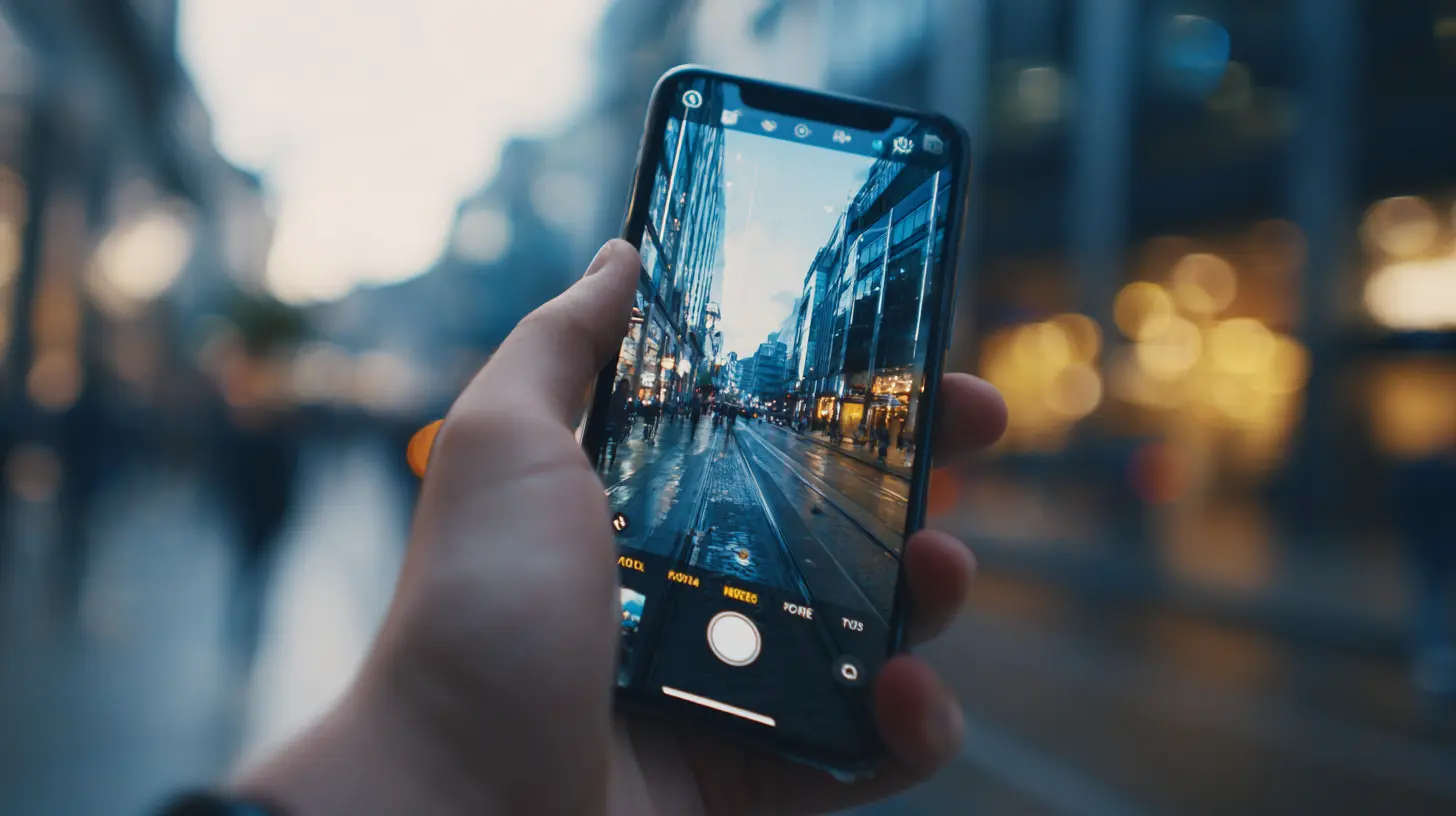
The core reason AR filters work is not about the technology. It is about the psychology of self-representation. When someone uses a brand's filter, they are not just looking at the brand. They are putting the brand on their own face or into their own environment. That act changes the relationship. It moves the brand from an external advertisement to an internal part of the user's self-expression.Think about a traditional ad. A person sees it, maybe remembers it, but the ad remains separate from them. An AR filter is different. The user chooses to apply it. They interact with it. They share it with friends. The brand becomes a tool for the user's own creativity. That is a fundamentally different dynamic. It creates a sense of ownership. The user feels like they are co-creating content with the brand, not just consuming it.
This effect is strongest with beauty and fashion brands, but it applies across industries. A furniture brand can let users place virtual sofas in their living rooms. A food brand can let users add virtual toppings to their photos. A car brand can let users project a car model onto their driveway. Each of these actions builds a mental connection that a static image cannot match.

The Strategic Role: Beyond Viral Hopes
Many brands chase the viral filter. They want the one that millions of people use. That is a lottery, not a strategy. A smarter approach is to think about what a filter should do for your specific business goals.Awareness vs. Consideration vs. Conversion
Different filters serve different stages of the funnel.For awareness, you want a filter that is fun, shareable, and easy to use. It should be something people want to send to friends. The brand presence can be subtle. A logo watermark or a color scheme is enough. The goal is impressions and reach.
For consideration, the filter should demonstrate a product benefit. A makeup brand can show how a lipstick shade looks on different skin tones. A sunglasses brand can show how frames look on a real face. These filters solve a real customer problem: "Will this look good on me?" That is more valuable than a funny face distortion.
For conversion, the filter needs a clear call to action. Some platforms now allow clickable links within AR experiences. You can build a filter that shows a product and then prompts the user to buy it directly. This is still early stage for most platforms, but the technology is improving. A well-designed try-on filter for eyewear or cosmetics can have conversion rates that rival a physical store try-on.
The Trade-Off: Branding vs. Usability
There is a constant tension between how much brand you put into a filter and how usable the filter remains. A filter that is plastered with logos, text, and brand colors often gets less use. It feels like an ad. A filter that is subtle and useful gets more use but may not communicate the brand clearly.The solution is layered branding. The primary layer is the experience itself. If the filter is a face-altering effect, the brand is the style of that effect. A luxury brand should have a filter that feels polished, slow, and elegant. A streetwear brand should have a filter that feels raw, fast, and interactive. The brand identity is expressed through the design language, not through a logo stamp.
The secondary layer is the subtle cue. A small logo in the corner. A specific color palette that matches the brand. A sound effect that uses the brand's sonic identity. These cues register subconsciously. Users may not notice them consciously, but they build association over time.
Technical Realities Most Brands Ignore
The marketing team often thinks about the creative concept first and the technical limitations second. That is backwards. The most creative filter in the world is useless if it crashes phones, drains batteries, or fails to track properly.Performance Optimization is Non-Negotiable
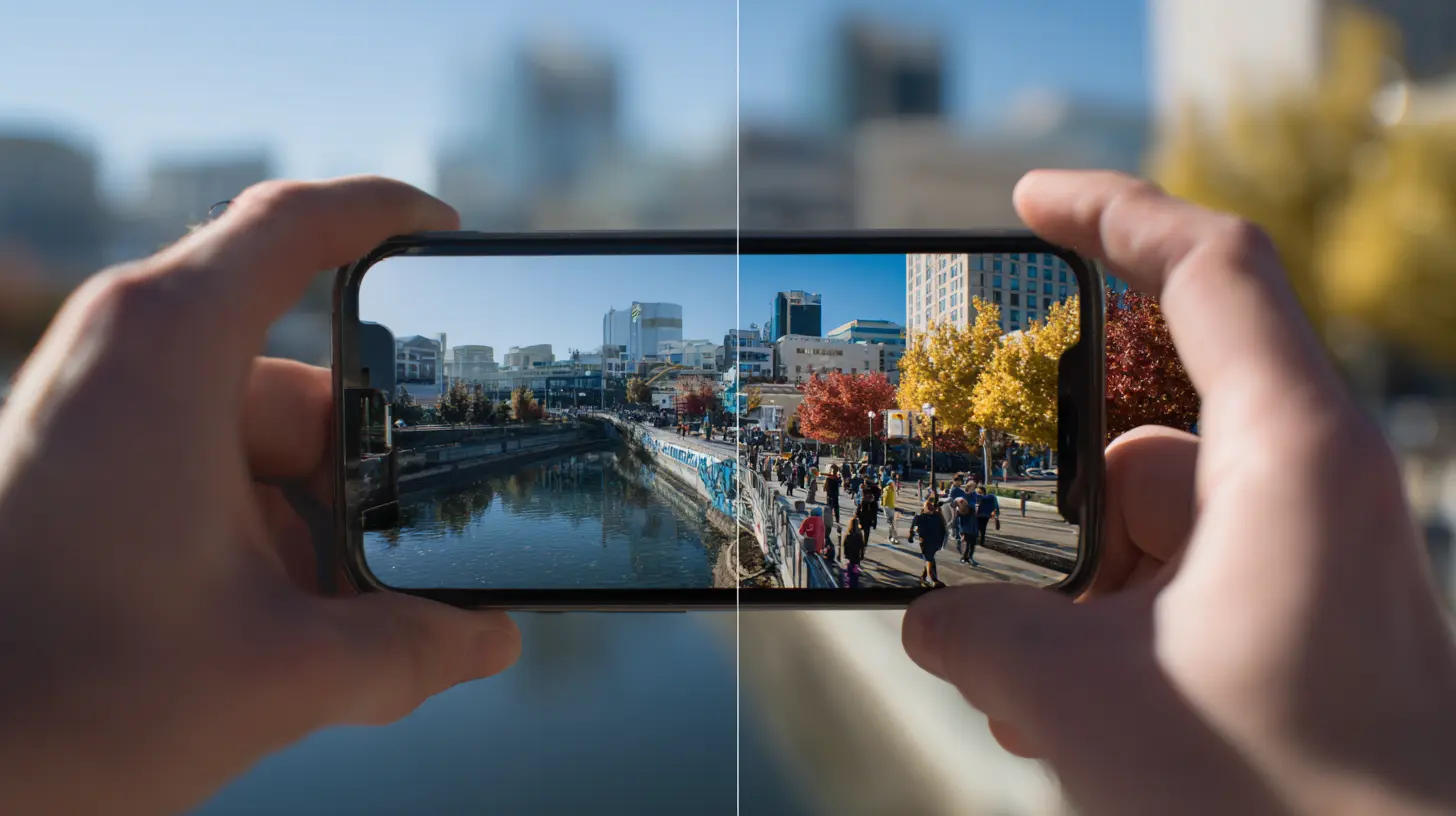
AR filters run on mobile devices. They compete with the camera feed, the processor, and the battery. A filter that is too heavy will lag. Users will delete it after one use. They will not share it. They will associate the brand with a bad experience.Key performance factors include polygon count, texture size, and animation complexity. A common mistake is using high-resolution 3D models that look great in a design tool but run poorly on a two-year-old phone. You must test on a range of devices, not just the latest flagship.
Platform-Specific Constraints
Each platform has its own AR framework. Meta Spark for Facebook and Instagram. Lens Studio for Snapchat. ARKit for iOS. ARCore for Android. Web-based AR via 8th Wall or similar tools.The mistake is assuming you can build once and deploy everywhere. Each platform has different capabilities for face tracking, world tracking, hand tracking, and occlusion. A filter that uses advanced hand tracking on Snapchat may not work the same way on Instagram. You often need to build separate versions or accept reduced functionality on some platforms.
The practical approach is to pick one platform that matches your target audience and go deep on it. If your audience skews younger, Snapchat is often better. If they skew broader, Instagram is safer. Trying to cover all platforms with a mediocre filter on each is worse than dominating one platform with an excellent filter.
The File Size Trap
Platforms impose file size limits. These limits are there for a reason. Exceeding them causes the filter to fail to upload or to perform poorly. But staying under the limit does not guarantee good performance. You also need to optimize the runtime memory usage.A filter that loads many separate assets at once will eat memory. A better approach is to load assets progressively. Show a simple version first, then load the detailed version as the user keeps the filter active. This is a standard technique in game development but is rarely used in AR filters. It makes a noticeable difference.

Creative Strategies That Actually Work
The creative brief for an AR filter should not start with "make something viral." It should start with "make something useful or delightful for our specific audience."Utility Filters: The Overlooked Winner
The most successful AR filters in terms of long-term engagement are utility filters. These are filters that people use repeatedly because they serve a practical purpose.Examples include:
- A filter that shows the time and weather in a stylish way.
- A filter that acts as a virtual ruler for measuring objects.
- A filter that creates a soft, flattering light effect for selfies.
- A filter that shows a color palette from a brand's collection for outfit matching.
Utility filters do not go viral in the explosive sense. But they get used over months, not days. Each use is a brand impression. Over a year, a utility filter can generate more total impressions than a viral filter that burns out in a week.
The trade-off is that utility filters require more thought to design. You need to understand what your audience actually needs. A fashion brand's utility filter might help users match clothing colors. A home goods brand's utility filter might help users measure furniture. The utility must feel native to the brand's domain.
Interactive Filters vs. Passive Filters
Passive filters just apply an effect to the camera feed. Interactive filters respond to user actions. Tapping the screen, moving the head, opening the mouth, raising eyebrows, using hand gestures.Interactive filters get higher engagement because they feel like a game. Users play with them longer. They are more likely to share them because the experience feels personal. The user did something to make the effect happen.
But interactive filters are harder to design. You need to anticipate what users will do and make the responses satisfying. A poorly designed interactive filter feels frustrating. A well-designed one feels magical.
The best interactive filters use a simple input with a surprising output. Tap the screen and the background changes. Raise your eyebrows and the character's hat flies off. The simplicity of the input makes it accessible. The surprise of the output makes it memorable.
The Sound Design Blind Spot
Most AR filters are silent. That is a missed opportunity. Sound adds a whole dimension to the experience. A filter that plays a brand's jingle or a satisfying sound effect when something happens creates a stronger memory.But sound in AR is tricky. It must be short. It must not be annoying on repeat. It must work at various volumes. And it must not interfere with the user's own audio. A good rule is to use sound sparingly. One or two short, high-quality audio cues are better than a looping soundtrack.
Common Mistakes and Misconceptions
Mistake 1: Thinking AR Filters Are Just for Gen Z
It is true that younger demographics use AR filters more. But older demographics are catching up. The key difference is the type of filter they use. Younger users want playful, transformative effects. Older users want utility filters or subtle beauty enhancements.If your brand targets an older audience, do not try to copy what works for a younger audience. Build filters that feel sophisticated and useful. A filter that smooths skin subtly or adds a professional lighting effect will resonate more than a filter that turns the user into a cartoon animal.
Mistake 2: Ignoring the Shareability Loop
A filter that people use but never share has limited value. The shareability loop is the sequence of actions that leads a user to share the content with others.The loop works like this:
1. User discovers the filter.
2. User applies it and takes a photo or video.
3. User is happy with the result.
4. User shares it to their story or feed.
5. User's friends see it and want to try it.
6. Friends discover the filter and the loop repeats.
The break point is step 3. If the user is not happy with the result, they will not share. That means the filter must produce consistently good results. A filter that works well on some faces but poorly on others will break the loop. Test on diverse faces, lighting conditions, and backgrounds.
Misconception: AR Filters Are Expensive
The cost of building an AR filter varies widely. A simple face filter can be built by a competent developer in a few days. A complex world-tracking filter with 3D objects and interactivity can take weeks and cost thousands of dollars.Compared to a video ad production, an AR filter is often cheaper. The real cost is not the development. It is the promotion. A filter that no one knows about is worthless. You need to budget for influencer partnerships, paid promotion, and cross-channel marketing to drive awareness of the filter.
Misconception: You Need a Big Budget
Small brands can compete with large brands in AR. The playing field is more level than in traditional advertising. A clever, well-designed filter from a small brand can outperform a big-budget filter from a large brand if the concept is stronger.The advantage small brands have is agility. They can respond to trends faster. They can create filters that feel more authentic and less corporate. They can engage directly with users who share their content.
Measurement and Analytics
The biggest challenge with AR filters is measuring their impact accurately. Platform-provided analytics are often basic. They show impressions, uses, and shares. But they do not show downstream effects like website visits, purchases, or brand recall.What to Track
At minimum, track these metrics:- Total impressions (how many times the filter was viewed)
- Total uses (how many times someone applied the filter)
- Total shares (how many times content with the filter was shared)
- Average session duration (how long users spent with the filter)
- Completion rate (for filters with multi-step interactions)
These metrics give you a sense of engagement. But they do not tell you about business outcomes.
Bridging the Gap to Business Impact
To connect AR filter usage to business results, you need a measurement strategy that goes beyond the platform.One approach is to use unique promo codes. Include a code in the filter that users can apply at checkout. This directly ties filter usage to purchases. The limitation is that not all users will use the code, and the code itself may affect purchasing behavior.
Another approach is to run a controlled experiment. Show the filter to a test group and not to a control group. Measure brand recall, purchase intent, and actual purchases in both groups. This requires more sophisticated tracking but gives you causal evidence.
A simpler approach is to track branded search volume. If a filter drives awareness, you should see an increase in searches for your brand name or specific products. Google Trends and platform-specific search data can show this correlation.
The Attribution Problem
Attribution in AR is messy. A user might see a filter, use it, share it, and then buy the product a week later through a different channel. Standard last-click attribution models will miss the AR filter's contribution.The honest answer is that most brands cannot perfectly attribute sales to AR filters yet. That is okay. You do not need perfect attribution to justify the investment. You need evidence that the filter drives engagement, that users who engage have higher brand metrics, and that the cost per engagement is reasonable compared to other channels.
Practical Implementation Steps
If you are ready to build an AR filter for your brand, here is a realistic process.Step 1: Define the Objective
Write down exactly what you want the filter to achieve. Not "increase brand awareness." That is too vague. Something like "get 50,000 uses in the first month and drive 1,000 clicks to the product page." Be specific. The objective determines the design, the platform, and the promotion strategy.Step 2: Choose the Platform
Match the platform to your audience and objective. If the goal is broad awareness, Instagram is usually best. If the goal is deep engagement with a younger audience, Snapchat is better. If the goal is product try-on, consider a web-based AR solution that works on your own site.Step 3: Brief the Creative Team
Give the creative team constraints, not just a concept. Tell them the file size limit, the performance targets, the platform-specific features available, and the target devices. A good brief reduces rework and wasted effort.Step 4: Build and Test Iteratively
Do not build the whole filter and then test. Build a prototype with the core interaction. Test it on multiple devices. Fix issues. Add features. Test again. This iterative approach catches performance problems early.Step 5: Plan the Launch
The launch is as important as the filter itself. Coordinate with influencers who can show the filter to their audience. Create a hashtag. Post your own content using the filter. Consider a paid promotion to boost initial visibility.Step 6: Monitor and Optimize
After launch, watch the analytics. If the filter is getting low usage, the problem is usually either the discovery or the experience. If people find it but do not use it, the experience is bad. If people use it but do not share it, the shareability loop is broken. Make adjustments if the platform allows updates.
The Future of Brand AR Filters
The technology is moving fast. Face tracking is getting more accurate. World tracking is getting more stable. Hand tracking is becoming standard. The next wave will be persistent AR filters that users can place in their environment and come back to later.For brands, this means the opportunity is expanding. A persistent filter could be a virtual storefront that stays in a user's room. A virtual piece of furniture that updates with new colors each season. A virtual assistant that provides brand information on demand.
The brands that will win are the ones that start now, learn the medium, and build the expertise before the competition saturates the space. The barrier to entry is low today. It will not stay low forever.
Final Recommendations
Do not try to go viral. Try to be useful. Utility filters win over time.Do not overbrand the filter. Let the experience speak for the brand.
Do not ignore performance. A laggy filter is worse than no filter.
Do not skip the promotion. Build it and they will not come. You have to drive discovery.
Do not expect perfect attribution. Use proxy metrics and controlled experiments to build your case.
Do not treat AR as a standalone channel. Integrate it with your broader marketing strategy. A filter should feel like a natural extension of your brand, not a random experiment.
AR filters are not a silver bullet. They are a tool. Used well, they create a connection that other media cannot. Used poorly, they waste money and annoy users. The difference is in the strategy, the craft, and the commitment to doing it right.
all images in this post were generated using AI tools
Category:
Tech For CreatorsAuthor:

Adeline Taylor
Discussion
rate this article
1 comments
Nixie Jenkins
AR filters offer brands a unique way to engage audiences and enhance their marketing strategies.
August 4, 2026 at 2:26 AM
Adeline Taylor
Absolutely, AR filters can create memorable interactions that resonate with audiences and elevate brand identity.