Will 5G Power the Next Generation of Smart Agriculture?
5 February 2026
Imagine you’re biting into a freshly picked tomato—so ripe it practically bursts in your mouth. That tomato didn’t get to your plate by accident. It’s the product of smarter, more efficient farming. Now, throw 5G into the mix, and things are about to get a whole lot juicier (pun totally intended).
In today’s digital age, agriculture is no longer just a matter of dirt, water, and sunshine. It’s about data, automation, and sensors. And with 5G—the fifth generation of mobile networks—knocking at the barn door, smart farming could be in for a serious reboot. But will 5G really power the next generation of smart agriculture?
Let’s dig in.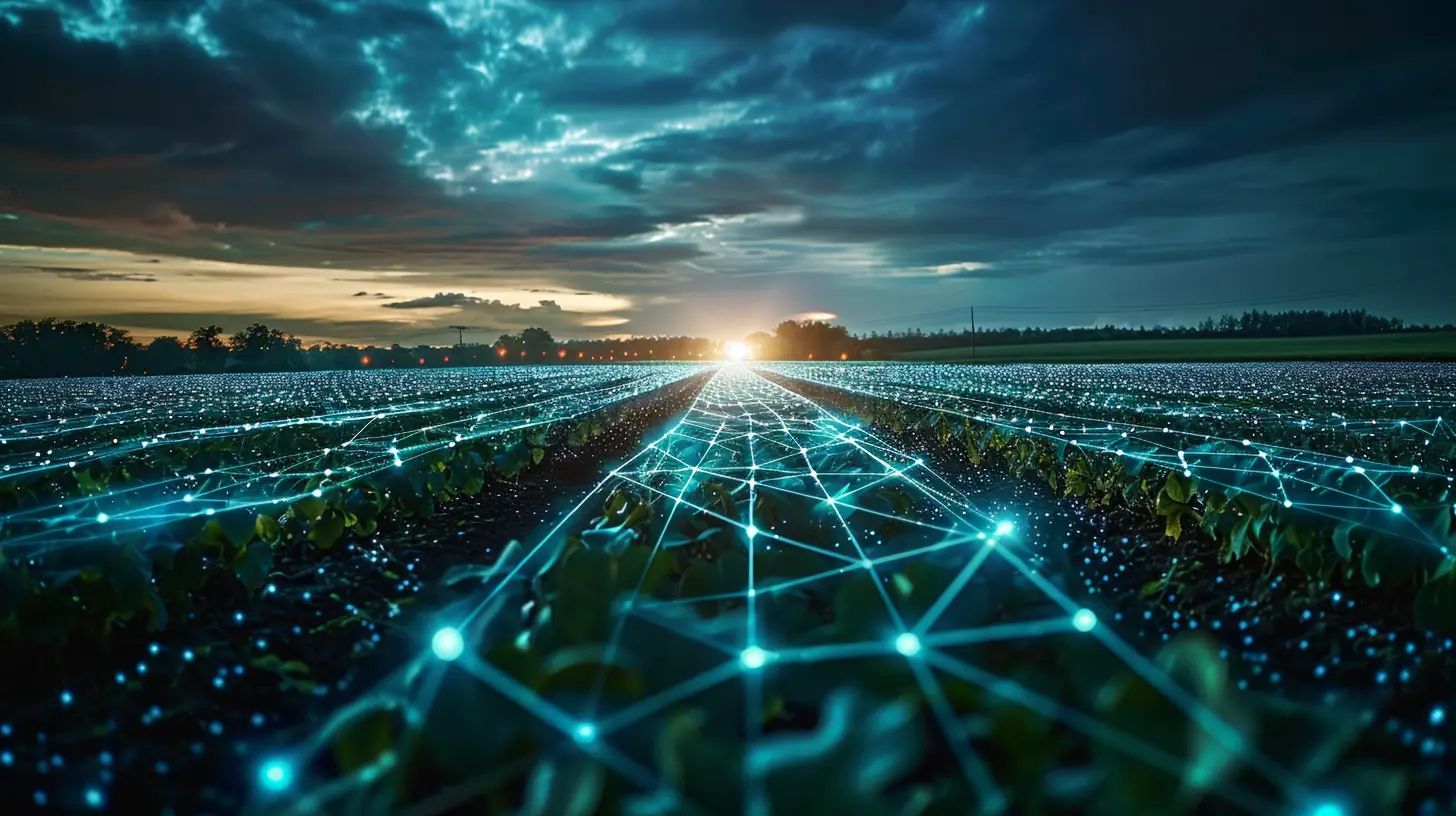
What Is Smart Agriculture, Anyway?
Before we go full geek mode on 5G, let’s quickly unpack what we mean by "smart agriculture."At its core, smart agriculture (also known as precision farming) is the use of modern technologies to boost farming efficiency and productivity. We're talking GPS-guided tractors, soil moisture sensors, drones flying over fields, and even AI-powered analysis of crop health. These tools help farmers monitor their crops, livestock, and weather conditions like never before.
But here's the catch: All these gadgets and gizmos need a fast, reliable, low-latency internet connection to function at their best. Enter 5G.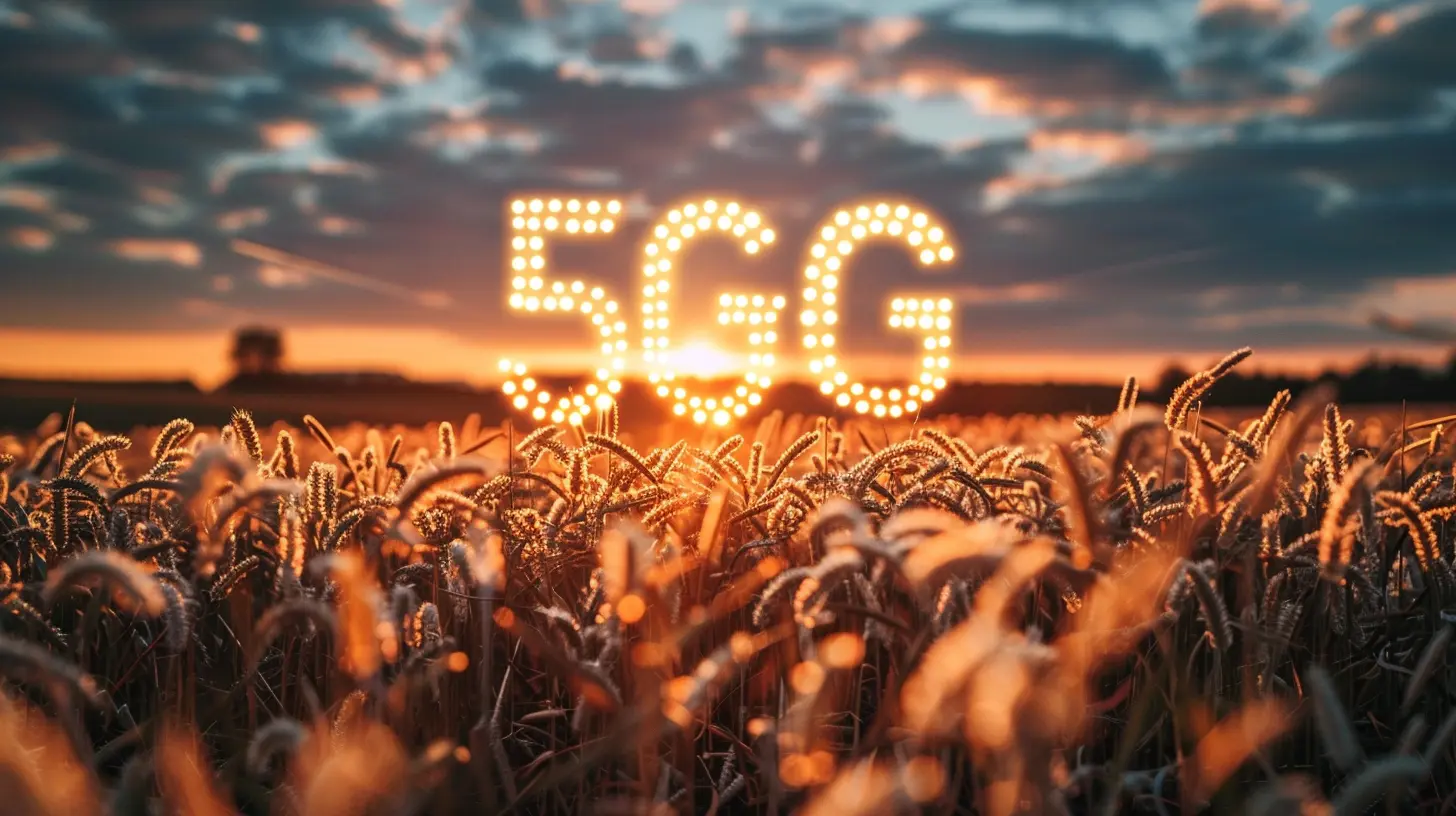
The 5 Big Promises of 5G for Farming
So, what’s so special about 5G? Why’s everyone acting like it’s the superhero of wireless tech?Here are the top five reasons why farmers are eyeing 5G like it’s the best thing since the invention of the tractor:
1. Ultra-Fast Speeds
Let’s face it—nobody likes waiting. Especially when you need real-time data on your crops. 5G offers lightning-fast internet speeds—think 10 to 100 times faster than 4G. So when a farmer wants to check on the status of their irrigation system or monitor the health of their cattle, they get that info instantly.2. Low Latency
Latency is the slight delay between data being sent and received. 5G cuts this delay down to milliseconds. That’s a game-changer for automation. For example, if a self-driving tractor hits an obstacle, it can respond instantly, avoiding damage or delays.3. Massive IoT Connectivity
Farms are becoming more connected than ever. With smart collars on cows, moisture sensors in soil, and drones in the air, the Internet of Things (IoT) has made its way to the countryside. 5G supports up to 1 million connected devices per square kilometer, which means no device gets left behind.4. Better Coverage in Rural Areas (Eventually)
We won’t sugarcoat it—rural connectivity is still a work in progress. But 5G has the potential to bridge that digital divide. With the right infrastructure, remote farms could experience fast, reliable internet for the first time.5. Energy Efficiency
5G isn't just fast—it’s also designed to be energy-efficient. That’s a huge bonus for devices and sensors that are often battery-powered and located far from a power source.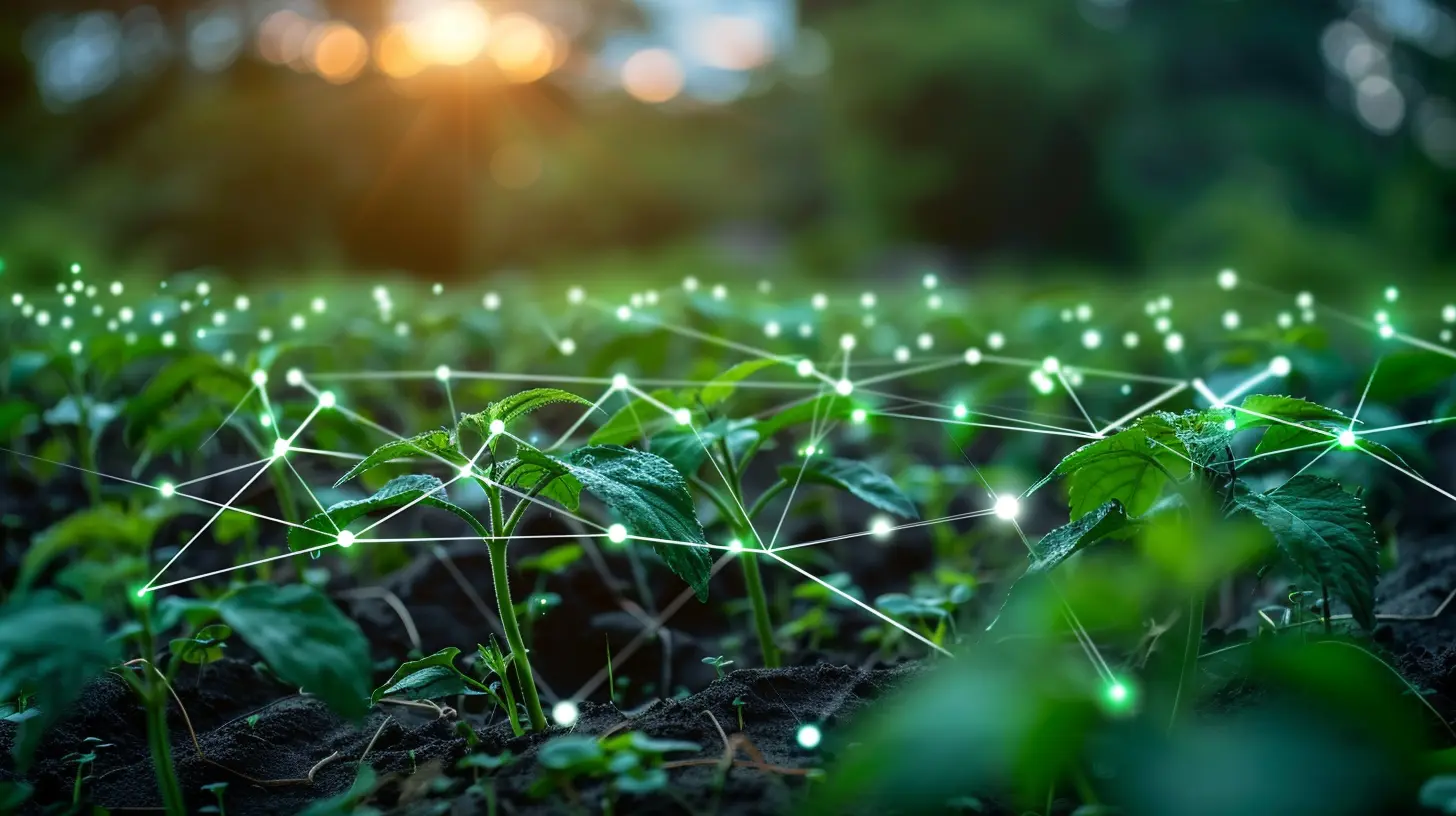
Real-Life Ways 5G Can Transform Farming
Still wondering how 5G might actually change the way we grow our food and raise livestock? Let’s look at a few real-life scenarios where 5G isn't just helpful—it’s revolutionary.1. Autonomous Tractors and Combines
Picture this: tractors plowing, planting, and harvesting without human operators. With 5G, this isn’t science fiction. These machines need real-time data to navigate accurately and operate safely. 5G delivers the ultra-low latency required to make this happen smoothly.2. Drone Surveillance and Crop Monitoring
Sure, drones with cameras are cool, but when paired with 5G? They become airborne geniuses. Farmers can get high-res visuals and thermal imagery streamed in real-time. That means spotting disease outbreaks, irrigation issues, or pest infestations early—before they become serious problems.3. Smart Irrigation Systems
Water is a precious resource, and with climate change in the mix, it's more crucial than ever to use it wisely. Smart irrigation systems equipped with 5G can monitor soil conditions and weather forecasts to water only when and where it’s needed. It’s like giving your plants just the right amount of coffee to get through the day.4. Livestock Tracking and Health Monitoring
With 5G, wearable tech for animals becomes much smarter. Farmers can track movements, heart rates, and feeding behaviors in real-time. If a cow strays too far or shows signs of illness, the farmer gets an instant alert. That’s peace of mind—and healthier herds.5. Remote Farm Management
Whether you’re at a tech expo in New York or sipping coffee in your kitchen, you can manage your farm remotely through your smartphone or tablet. 5G makes sure all your connected devices “talk” to each other without skipping a beat.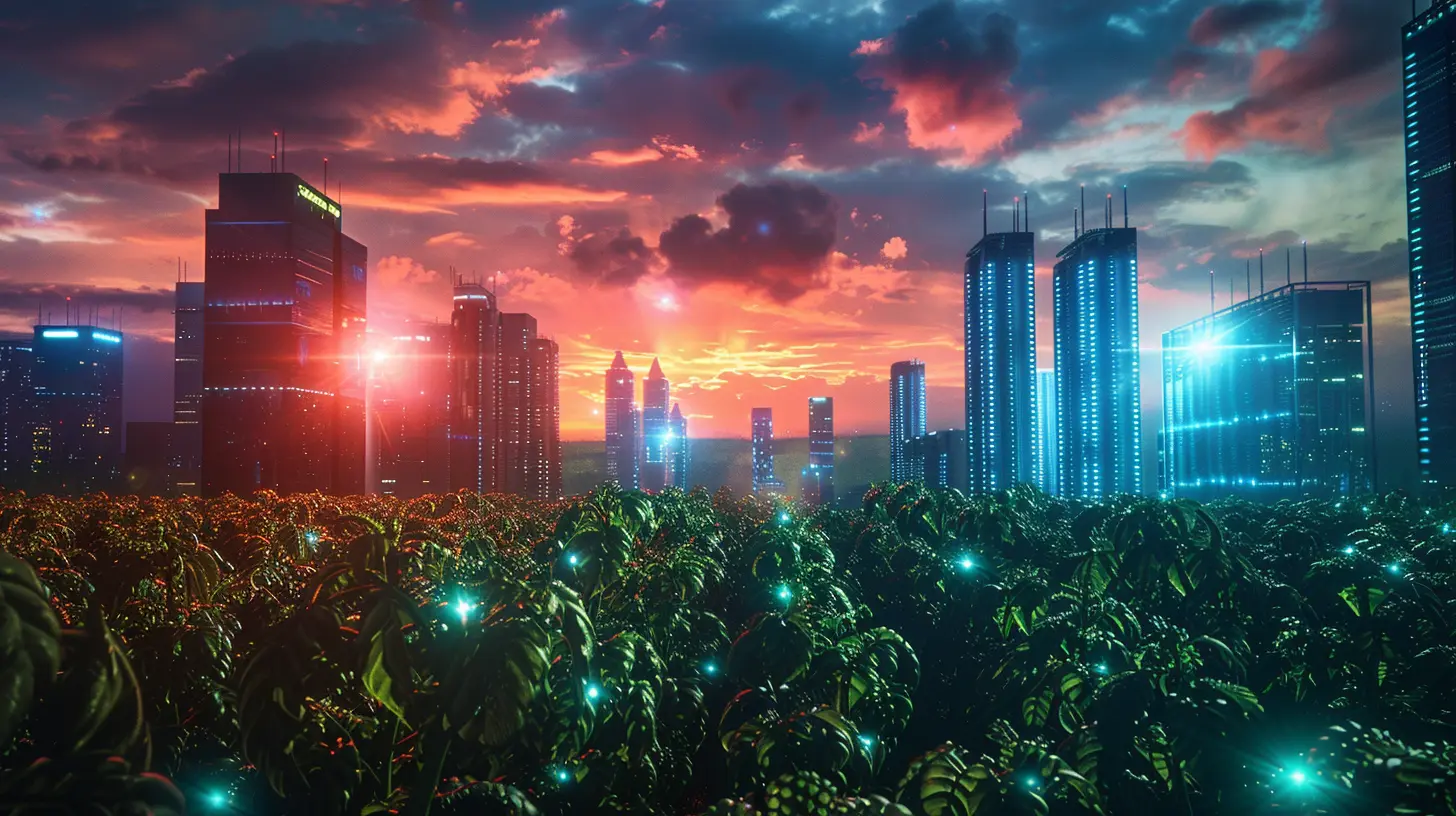
Challenges on the Road to 5G-Powered Farming
Okay, time for a reality check. While the 5G dream is shiny and compelling, there are still a few weeds in the field.1. Infrastructure Gaps
Rolling out 5G towers and networks in remote areas is costly and time-consuming. Many rural areas still struggle with basic 4G coverage. Until the infrastructure catches up, 5G’s full potential in agriculture will remain untapped.2. High Setup Costs
Implementing 5G-compatible systems can require a hefty investment upfront. Not every farmer has the budget to replace old equipment or buy new sensors. However, as the technology matures, costs are likely to come down.3. Data Privacy and Security
With so many IoT devices collecting and transmitting data, farmers need to be cautious about where that data goes and how it's protected. Cybersecurity will become as essential as a good pair of work boots.4. Technical Skill Requirements
Let’s be honest—farming isn’t what it used to be. Operating modern smart farms requires a good understanding of tech. Older generations of farmers may need training or support to comfortably manage these systems.So, Will 5G Power the Next Generation of Smart Agriculture?
Short answer? It’s looking that way.While we’re still in the early days of adoption, the potential is undeniable. 5G could be the catalyst that takes precision agriculture from “nice to have” to “must-have.” With better connectivity, faster data processing, and more reliable automation, farmers can work smarter—not harder.
It’s about growing more with less—less water, less waste, less guesswork.
And let’s not forget the bigger picture: With global population numbers climbing and climate change looming, the pressure is on to produce more food sustainably. 5G might just be the tool that helps farmers rise to the occasion.
Final Thoughts: The Future Is Fertile
Agriculture has always evolved with the times. From the horse-drawn plow to GPS-guided harvesters, innovation drives the industry forward. 5G is just the next step in that legacy of progress.Will 5G solve every challenge in farming overnight? Nope. But it holds the promise of making farms smarter, more efficient, and more connected than ever. If the tech industry, governments, and farmers can come together to make it happen, the next generation of agriculture could be leaner, greener, and powered by 5G.
So next time you see a drone flying over a field or a driverless tractor doing its thing, just know—you’re not witnessing science fiction. You’re seeing the future of food, and 5G might be right at the heart of it.
all images in this post were generated using AI tools
Category:
5g TechnologyAuthor:

Adeline Taylor
Discussion
rate this article
2 comments
Azurael McTiernan
Great insights! 5G's potential could revolutionize efficiency in smart agriculture.
February 11, 2026 at 3:43 AM
Adeline Taylor
Thank you! I'm glad you found the insights valuable. 5G indeed has the potential to transform smart agriculture by enhancing connectivity and efficiency.
Scout Cole
5G technology has the potential to revolutionize smart agriculture by enabling real-time data transmission from IoT devices. This connectivity will enhance precision farming, optimize resource usage, and improve crop yields through advanced analytics. As farmers adopt 5G, we can expect significant advancements in efficiency, sustainability, and food production strategies.
February 7, 2026 at 3:35 AM
Adeline Taylor
Absolutely! 5G technology will transform smart agriculture by providing real-time data connectivity, enhancing precision farming, and driving efficiency and sustainability in food production.