How Tech is Redefining the Concept of Personal Safety
10 June 2026
Let’s be honest—when most of us think about personal safety, our minds instantly jump to locks on doors, pepper spray, or maybe walking with a buddy after dark. But times are changing. Scratch that—technology is changing everything, and personal safety is no exception.
We're living in a world where smartphones are smarter than ever, artificial intelligence can anticipate danger, and tiny wearables can send out SOS signals faster than you can scroll through your Instagram feed. The line between the digital and physical world is blurring, and our safety is no longer just about physical barriers—it's about digital shields too.
Buckle up, because we’re about to dive deep into how tech is not just improving but completely redefining the concept of personal safety.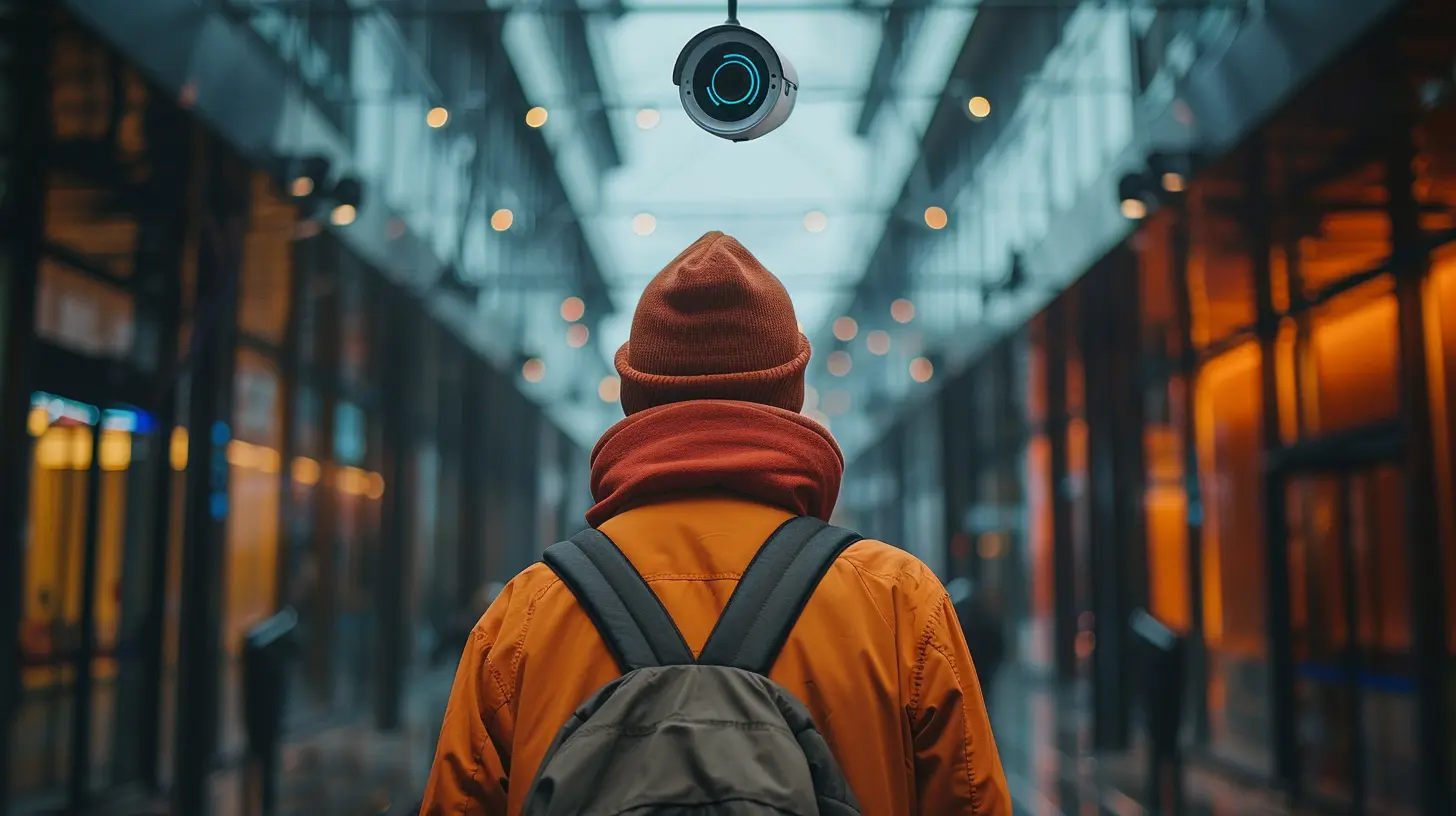
The Evolution of Personal Safety: From Whistles to Wearables
Okay, think back a few decades. Personal safety tools were pretty basic. You had your emergency whistles, maybe a self-defense keychain, or if you were really high-tech—a landline to call for help.Now? Personal safety has gotten a high-tech makeover. We're talking about gadgets and apps that don’t just react but predict and prevent threats.
It’s like we’re moving from having a fire extinguisher after the fire starts to having smoke detectors that alert you before the flames even catch.
Smartphones: The Personal Bodyguards in Your Pocket
We all carry superheroes in our pockets these days—our smartphones.Sure, they help us text, scroll, and binge-watch, but have you ever thought about how powerful they’ve become when it comes to safety?
Emergency Features You Probably Didn’t Know About
Most smartphones now have built-in emergency SOS features. You press a combination of buttons, and boom—your phone sends your location to emergency contacts and even calls 911. No fumbling around or unlocking necessary.Apple and Android have both incorporated these tools, and they can truly be lifesavers. The best part? You're already carrying it everywhere.
Safety Apps Are a Game-Changer
There are apps now that track your journey and check in with you periodically. Apps like Noonlight, bSafe, and Life360 let your loved ones know where you are in real-time.Ever walked home late at night and wished someone could virtually walk with you? These apps make that wish a reality.
Wearable Tech: Safety That’s Always On
Now let’s talk wearables—smartwatches, fitness trackers, and even jewelry that doubles as a silent alarm.Smartwatches with SOS Features
Smartwatches like the Apple Watch or Samsung Galaxy Watch come loaded with emergency features. Fall detection, heart rate monitoring, and one-touch emergency SOS—all on your wrist.Picture this: you’re on a morning run and feel unsafe. Simply pressing and holding a button on your smartwatch can dispatch emergency services and notify your emergency contacts without pulling out your phone.
That’s not just smart—it’s genius.
Jewelry That Protects
Wearable safety devices have gotten stylish too. Companies like Invisawear and Revolar are designing accessories—necklaces, keychains, and bracelets—that look like fashion statements but have hidden panic buttons inside.It’s James Bond-level stuff, people.
AI and Predictive Tech Are Becoming the New Safety Net
Artificial Intelligence isn’t just about robots taking over the world—it’s also about keeping you safe in it.Predictive Policing and Safer Communities
Cities are starting to use AI-driven systems to analyze crime patterns and predict high-risk areas. By understanding when and where incidents are most likely to happen, law enforcement can respond faster—or even prevent crimes.Sure, it’s a little Minority Report-esque, but when done ethically, predictive tech can keep communities safer without stepping on personal freedoms.
Personal Assistants that Actually Assist
AI-powered personal assistants like Alexa, Siri, and Google Assistant aren’t just there to play your favorite songs. They can be programmed to call emergency numbers with voice commands or even alert someone if they hear unusual sounds like glass breaking or screams.They’re turning into virtual watchdogs that never sleep.
Home Security: Smarter, Cheaper, and More Accessible
Remember when home security systems were something only the wealthy could afford? Not anymore.Thanks to smart home technology, securing your home has never been simpler—or more affordable.
DIY Security Systems
Companies like Ring, SimpliSafe, and Arlo offer plug-and-play security systems that connect to your smartphone. You can monitor your home in real-time, talk to people at your door, and even trigger alarms remotely.And yes, they come with motion detection, night vision, and cloud storage—because why not?
Smart Locks and Video Doorbells
Forget hiding spare keys under the doormat. Smart locks let you control who enters your home with just a tap. Add in a video doorbell, and you can see who’s knocking before you even get up from the couch.It’s like having a digital butler with a sixth sense.
Online Safety: A New Frontier for Personal Protection
We can't talk about safety without touching on its digital side. Your online life is a huge part of your overall safety now.Password Managers and Two-Factor Authentication
Using the same password for everything? Yikes. Cybersecurity is a major component of personal safety. Password managers and 2FA (two-factor authentication) keep your data locked up tighter than Fort Knox.It’s like having two locks on your door instead of one.
VPNs and Privacy Tools
VPNs (Virtual Private Networks) help protect your online activity from prying eyes. Whether you’re using public Wi-Fi or just trying to avoid targeted ads that creepily know what you want for lunch, VPNs have your back.Kids’ Safety in the Digital Age
If you’re a parent, you know that keeping your kids safe involves more than just making sure they look both ways before crossing the street.Parental Control Apps
Apps like Bark, Qustodio, and Net Nanny help parents monitor screen time, track location, and filter inappropriate content. It’s like having eyes in the back of your digital head.Kid-Friendly Wearables
Smartwatches made for kids come with GPS tracking, voice calling, and SOS buttons. Peace of mind? You bet.You can track whether little Timmy is actually at school or sneaking off to the candy shop. No judgment—we’ve all been there.
Elder Safety: Tech That Cares
Tech isn’t just for the young and trendy. It’s doing wonders for elder safety too.Fall Detectors and Medical Alerts
Wearables that detect falls and send alerts can be literally life-saving for the elderly living alone. Some even have built-in medication reminders and emergency calling capabilities.Voice-Activated Assistants for Seniors
Smart home devices can control lights, locks, and thermostats using voice commands. For those with mobility issues, this isn’t just convenient—it’s empowering.Imagine being able to turn on the lights or call a family member without even getting out of bed.
The Privacy vs. Safety Debate
Now, all this might sound like a dream, but let’s get real—there’s a flipside. The same tech that protects you can also track you. So where do we draw the line?Balancing convenience, safety, and privacy is the tightrope we all walk today. Being aware of how your data is used, who they're shared with, and taking steps to secure your digital footprint is more crucial than ever.
Because let’s face it—who wants to feel “safe” while being watched 24/7?
The Future of Personal Safety: What’s Next?
We’re heading into a future where personal safety might not just rely on devices, but the integration of those devices with our bodies and environments.Implants and Bio-Tech
We’re already seeing prototypes of microchips implanted under the skin that store medical records or emergency contact info. It sounds wild now, but give it a few years.Smart Cities and Public Safety Networks
Imagine walking through a city where smart streetlights, connected CCTV, and IoT sensors work together to automatically alert authorities to suspicious activity. We're not too far off from that reality.The goal? To create environments that protect us passively—without us having to think about it.
Final Thoughts: Safety Isn’t Just Physical Anymore
Technology is like a double-edged sword—it can hurt or heal. But when it comes to personal safety, the advancements we’re seeing are nothing short of revolutionary.From our pockets to our doorsteps and even our digital identities, tech has embedded itself in our safety net. The real challenge now is making sure these tools remain tools—and don’t quietly become our overlords.
So, the next time you update your smartwatch, download a new app, or install a smart lock, remember: you're not just buying cool tech. You’re investing in peace of mind.
all images in this post were generated using AI tools
Category:
Tech InnovationsAuthor:

Adeline Taylor
Discussion
rate this article
2 comments
Ava McMillen
So, basically, if my phone can call for help, detect falls, and remind me to put on pants before leaving the house, I'd say tech has got my back... literally. Safety and style, right?
August 15, 2026 at 4:22 AM
Martha Frank
This article highlights the crucial role of technology in enhancing personal safety. Innovations like smart home devices and wearable emergency tools are game changers. It's exciting to see how these advancements can empower individuals and reshape their sense of security.
June 14, 2026 at 4:54 AM
Adeline Taylor
I'm glad you found the article insightful. Technology truly is transforming how we think about personal safety, making us feel more secure and empowered than ever.