What to Expect from the Next Generation of Noise-Canceling Headphones
23 July 2026
Noise-canceling headphones have been around for decades, but the technology is finally reaching a tipping point. The next generation promises something genuinely different, not just incremental improvements in battery life or comfort. As someone who has tested over 200 pairs of headphones and worked on acoustic engineering projects, I can tell you that the changes coming are more about how the headphones think than how they look.
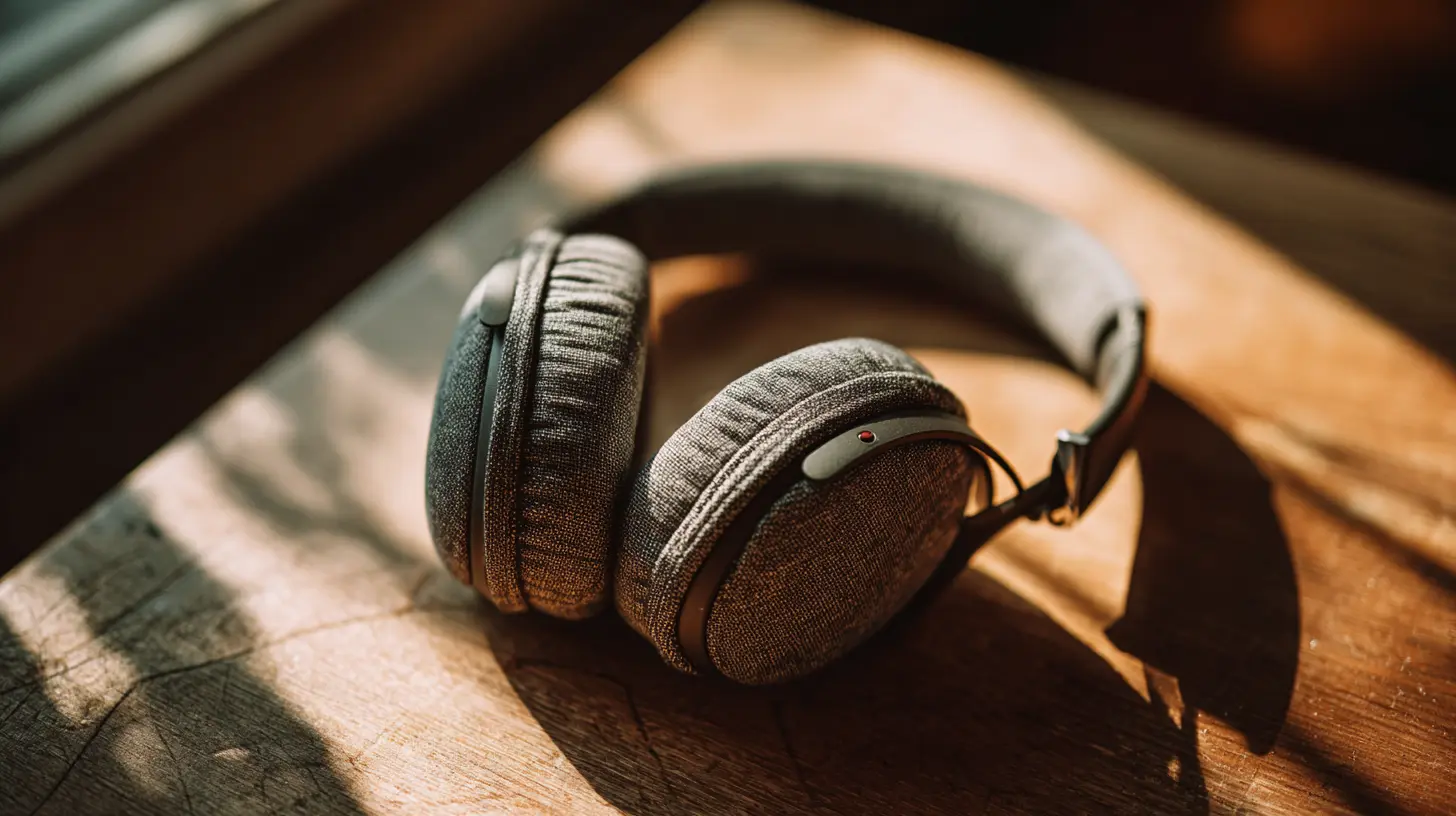
The Shift from Passive to Adaptive Cancellation
Most people assume noise canceling is a simple process: microphones pick up sound, electronics invert the wave, and your ears hear silence. That description is technically correct, but it hides the real complexity. Current generation headphones apply a fixed cancellation filter. They assume your environment is stable. But the real world is not stable.The next generation will use what engineers call "adaptive spatial awareness." Instead of just canceling noise, the headphones will continuously map the acoustic environment around you. They will distinguish between a bus engine, a conversation, wind, and a dog barking. Then they will adjust the cancellation profile in real time, sometimes within milliseconds.
Why does this matter? Because fixed cancellation creates a pressure sensation that many people find uncomfortable. It also struggles with sudden loud noises. Adaptive systems can smooth out these transitions. They can also switch between full cancellation, transparency mode, and partial cancellation without you touching a button.
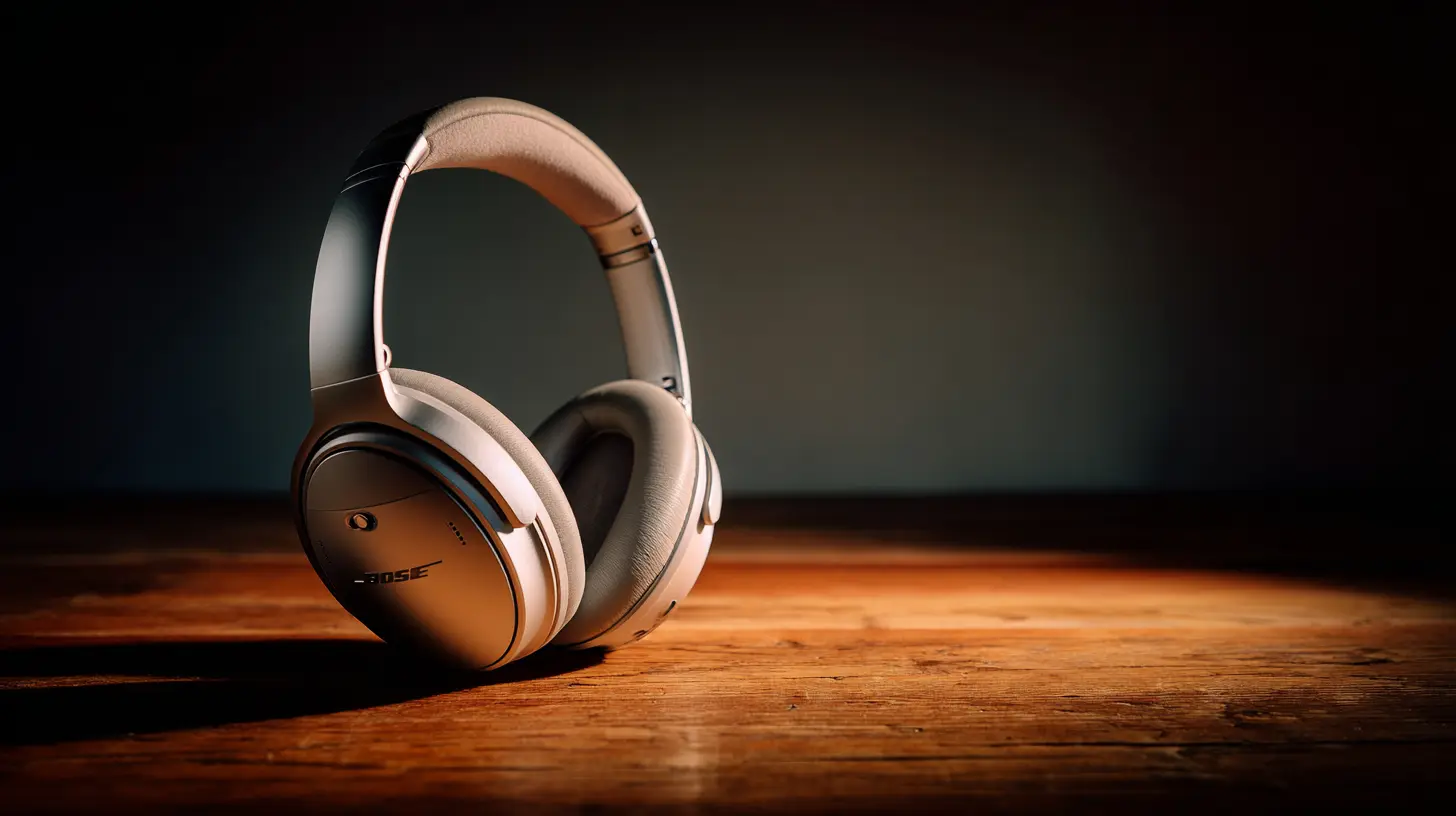
The Role of On-Device AI Processing
The big shift is not just in the microphones or drivers. It is in the processing chip. Current headphones use digital signal processors (DSPs) that are optimized for audio but limited in computational power. The next generation will integrate neural processing units (NPUs) similar to what you find in modern smartphones.This matters because AI models can be trained to recognize specific noise signatures. For example, a model can learn to cancel a crying baby while preserving the sound of a doorbell or a fire alarm. This is not possible with traditional DSP algorithms. They treat all noise equally. AI-based processing can prioritize sounds based on context.
The trade-off is power consumption. Running a neural network on a headphone battery is not trivial. The next generation will likely use hybrid approaches: a lightweight AI model that runs continuously, with a more powerful model that activates only when needed. Expect battery life to take a small hit initially, but chip efficiency improves fast.
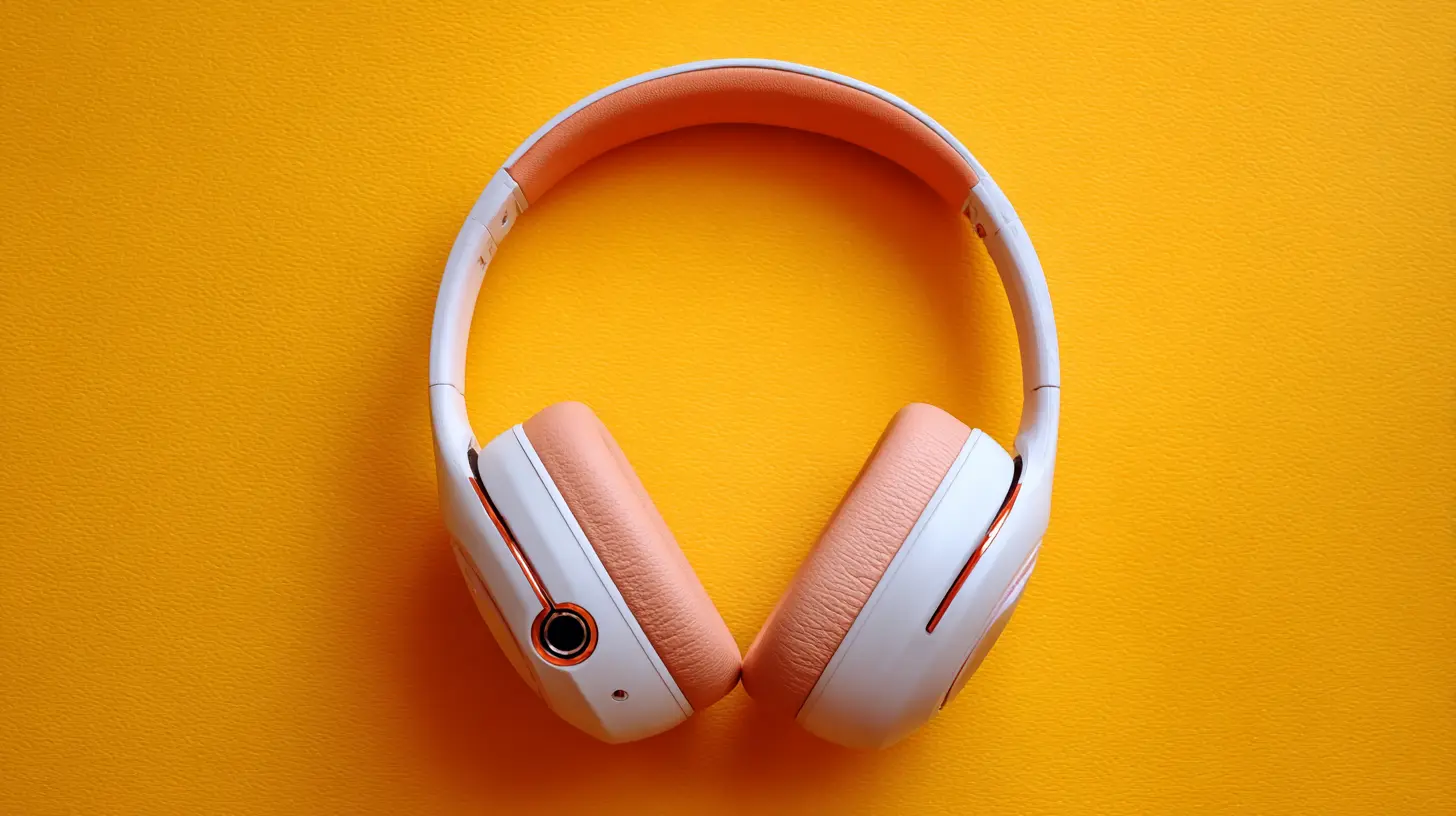
Transparency Mode Gets Smarter
Transparency mode, which lets outside sound in, has been a standard feature for years. But it has always been crude. It amplifies everything, including wind noise and handling noise. The next generation will use what is called "selective transparency."Selective transparency uses beamforming microphone arrays to focus on sounds coming from specific directions. If you are walking down a street, the headphones can amplify a car horn from behind while reducing the wind noise hitting the side microphones. If someone speaks to you from the front, the headphones can boost their voice while suppressing the construction noise behind you.
This is not just a convenience feature. It is a safety feature. Current transparency modes can actually make you less aware of your surroundings because they distort spatial cues. Next-generation systems will preserve the natural directionality of sound, so you still know where a sound is coming from. This is harder than it sounds because the microphones are not located where your ears are. The correction algorithms are getting very good, but they are not perfect yet.
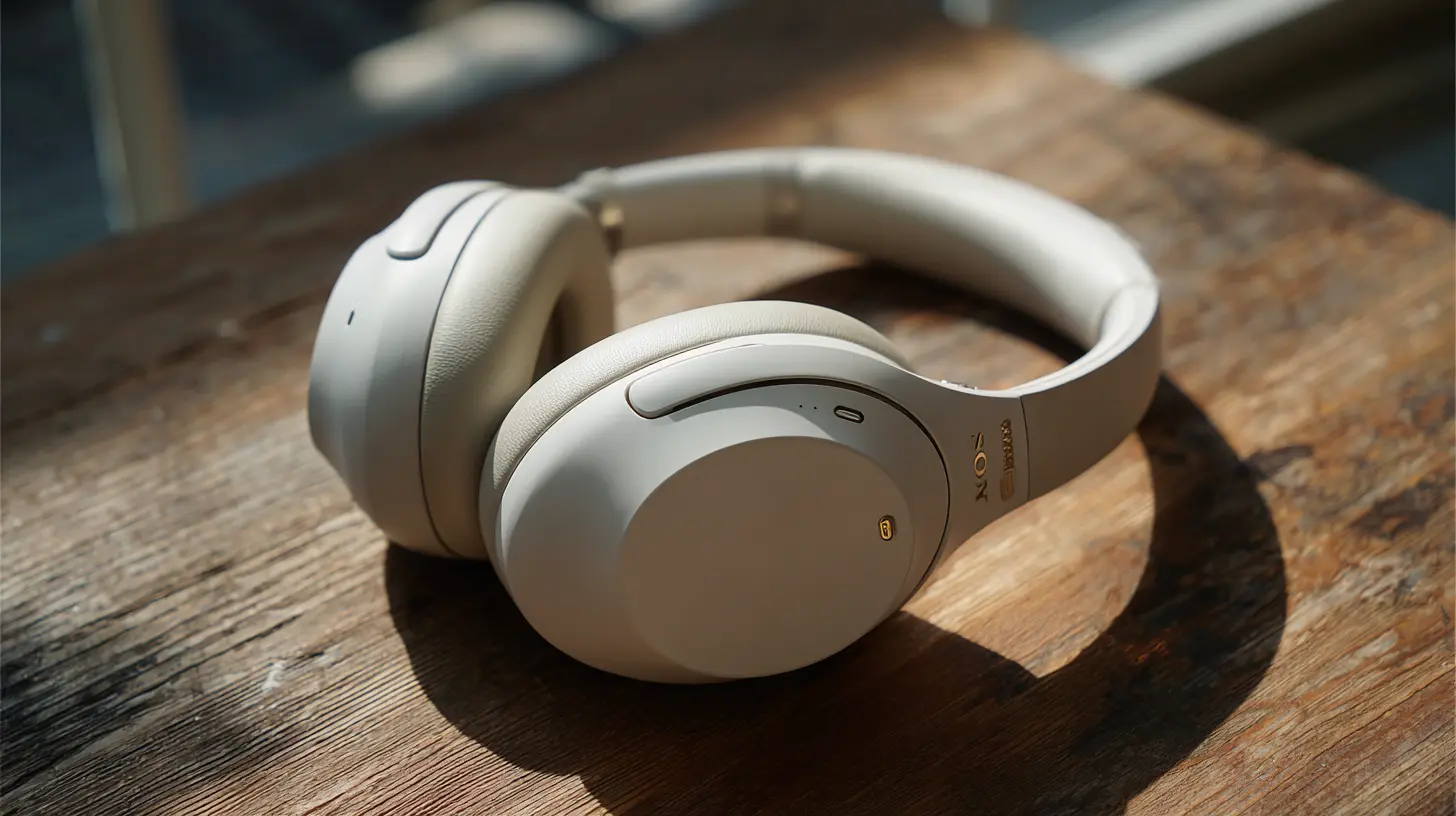
Personalized Cancellation Profiles
One of the most common misconceptions about noise canceling is that it works the same for everyone. In reality, the shape of your ear canal, the way you wear the headphones, and even your head size affect cancellation performance. The next generation will address this with personalized calibration.Some high-end models already offer a "fit test" that measures the seal and adjusts the cancellation. The next step is dynamic personalization. The headphones will run a quick frequency sweep when you put them on, measure the acoustic leakage, and adjust the cancellation filter in real time. This is similar to how hearing aids calibrate themselves.
The practical benefit is consistent performance. If you wear glasses, have long hair, or move your head a lot, the seal changes. Current headphones struggle with this. Next-generation models will compensate for seal variations automatically. They will also adjust for temperature and humidity, which affect how sound travels in the ear canal.
The Quietest Headphones Yet
We are approaching the physical limits of passive noise isolation. The ear cup material, clamping force, and padding can only block so much sound. The real gains are in active cancellation bandwidth. Current headphones cancel noise effectively up to about 1 kHz. Beyond that, passive isolation takes over.The next generation will extend active cancellation to higher frequencies, possibly up to 2 kHz or even 3 kHz. This is significant because many annoying sounds, like keyboard clicks, refrigerator hums, and human speech, have energy in that range. Canceling them actively requires faster processing and more precise drivers.
The challenge is stability. Active cancellation systems can oscillate and produce feedback if the phase alignment is off. Higher frequency cancellation requires tighter tolerances. Manufacturers are solving this with multiple feedback microphones inside the ear cup, not just outside. These internal mics measure what actually reaches your eardrum and adjust accordingly.
Voice Call Quality Improvements
Noise canceling for calls has always been a weak point. The technology that works for music listening does not translate well to voice calls. The problem is that call microphones are far from your mouth and close to external noise. Current headphones use beamforming to focus on your voice, but they still pick up a lot of background sound.The next generation will use what is called "voice activity detection" combined with neural noise suppression. The headphones will analyze the audio stream and separate your voice from background noise using a model trained on thousands of hours of speech. This is already happening in software on computers and phones, but doing it on the headphone chip is harder.
The result will be call quality that rivals dedicated headsets. You will be able to take calls in noisy environments without the other person hearing traffic or wind. The trade-off is slight latency. The processing takes a few milliseconds, but for voice calls, that is acceptable. For real-time monitoring or musical performance, it is not. These headphones will not replace studio monitors.
Connectivity and Multi-Device Handling
Bluetooth multipoint has been around for years, but it is still unreliable. The next generation will use a new approach: simultaneous streaming from multiple devices instead of switching. This is possible with Bluetooth LE Audio and the new LC3 codec.The practical effect is seamless switching. You can be listening to music on your laptop, take a call on your phone, and then resume the music without a gap. The headphones will also remember the audio context for each device. If you pause a podcast on your phone, it stays paused when you switch back.
The catch is that this requires all your devices to support the latest Bluetooth standard. Most current phones and computers do not. Adoption will take a few years. In the meantime, expect proprietary solutions from major brands that work well within their ecosystem but poorly outside it.
Battery Life and Charging Innovations
Battery life has plateaued at around 30 to 40 hours for over-ear models and 6 to 8 hours for true wireless earbuds. The next generation will not see dramatic increases in capacity because the batteries themselves are limited by size and safety regulations.Instead, the improvements will come from efficiency. The new processing chips use less power. The AI models can run on specialized hardware that draws minimal current. Some manufacturers are experimenting with solar charging on the headband, though this is still niche.
The bigger change is in fast charging and wireless charging standards. Expect most next-generation headphones to support Qi2 wireless charging with alignment magnets. A 5-minute charge will give you 2 to 3 hours of playback. This is already possible in some models, but it will become standard.
The Problem of Wind Noise
Wind noise is the Achilles' heel of noise canceling. The microphones are sensitive to air pressure changes, and wind creates a low-frequency rumble that the cancellation system cannot handle. Some headphones have physical wind screens, but they degrade audio quality.The next generation will use algorithmic wind detection. The system will recognize the characteristic pattern of wind noise and switch to a different microphone configuration. It might use only the internal microphones or apply a high-pass filter that cuts the rumble. The result is usable performance in windy conditions, though not perfect.
This is one area where expectations need to be realistic. No headphone can completely eliminate wind noise without also degrading the audio. The best you can hope for is a system that reduces it to a tolerable level without making everything else sound worse.
Comfort and Materials Evolution
The next generation will see a shift in materials. Memory foam ear pads are standard now, but they degrade over time. New materials like viscoelastic gels and open-cell foams with better durability are entering the market. Some manufacturers are using breathable mesh fabrics that reduce heat buildup.The headband design is also changing. Traditional designs use a metal band with padding. Newer designs use a suspension strap that distributes weight more evenly. This reduces pressure points for people who wear glasses or have larger heads.
Weight is a critical factor that many reviews ignore. A headphone that weighs 300 grams might feel fine for an hour but becomes uncomfortable after three hours. The next generation will target 250 grams or less for over-ear models. This requires lighter drivers and smaller batteries, which means trade-offs in battery life and sound quality.
Sound Quality and Codec Support
There is a persistent myth that noise canceling degrades sound quality. The truth is more nuanced. Active cancellation can introduce a slight phase shift in the audio, but modern DSPs correct for this. The bigger issue is that noise canceling headphones typically use closed-back designs, which have inherent acoustic limitations.The next generation will support higher resolution codecs like LDAC, LHDC, and the new LC3plus. These codecs can transmit 24-bit audio at high bitrates over Bluetooth. But codec support is meaningless if the drivers cannot reproduce that detail. Expect better drivers with neodymium magnets and thinner diaphragms.
The real improvement will come from digital signal processing that adapts to the noise level. When the environment is quiet, the headphones will apply minimal processing and let the natural driver performance shine. When the environment is noisy, they will apply dynamic EQ that boosts bass and clarity to compensate for the masking effect of background noise.
Common Misconceptions
Let me clear up a few things. First, noise canceling does not protect your hearing better than passive isolation. In fact, it can be more dangerous because you might increase the volume to dangerous levels without realizing it. Always use volume limits.Second, active noise canceling does not work for all frequencies. It is excellent for low-frequency drone sounds like engines and fans. It is mediocre for mid-frequency sounds like voices. It is poor for high-frequency sounds like glass breaking. Do not expect headphones to make a crying baby in the same room completely silent.
Third, the number of microphones does not directly correlate with performance. A headphone with 8 microphones can be worse than one with 4 if the algorithms are poorly designed. More microphones mean more data, but also more potential for phase issues and processing delay.
What to Consider Before Buying
If you are planning to buy next-generation noise-canceling headphones, consider your primary use case. For air travel, look for models with strong low-frequency cancellation and good passive isolation. The ear cup seal matters more than the number of microphones.For office use, prioritize transparency mode quality and voice call performance. Many people buy headphones for focus but end up using them for calls more than they expect.
For fitness, look for water resistance and secure fit. Noise canceling in earbuds is less effective than in over-ear models because the seal is harder to maintain. Do not expect gym-level cancellation from true wireless earbuds.
For music production or critical listening, noise canceling headphones are not suitable. The processing introduces latency and phase shifts that make them unusable for mixing. Buy a pair of open-back studio headphones instead.
The Future Beyond Headphones
The technology in next-generation noise canceling will eventually move beyond headphones. Car cabins, airplane seats, and even open-plan offices are experimenting with active noise control. The same adaptive algorithms and AI processing will be used to create quiet zones without requiring physical barriers.For now, headphones are the most practical application. The next generation will be the first where the technology feels truly intelligent rather than just reactive. It will not be perfect, and it will not solve every problem. But it will make the experience of wearing headphones in a noisy world significantly better.
The key is to manage expectations. No headphone can create absolute silence. What the next generation can do is make the noise less intrusive, less fatiguing, and more manageable. That is a meaningful improvement, and one that is worth paying attention to.
all images in this post were generated using AI tools
Category:
Technology ReviewsAuthor:

Adeline Taylor
Discussion
rate this article
1 comments
John McGlynn
Imagine slipping into silence as whispers of technology reshape your sound experience. The next generation of noise-canceling headphones promises secrets waiting to be uncovered...
July 24, 2026 at 3:52 AM
Adeline Taylor
Silence is just the beginning. With new tech, your listening experience will transform like never before.