The Role of AI in the Future of Language Translation Gadgets
2 April 2026
Language is the bridge that connects people across different cultures, but what happens when language itself becomes a barrier? That’s where AI-powered translation gadgets come in. These little tech wonders are evolving at an incredible pace, and the future looks bright for anyone who dreams of a world without language constraints.
If you've ever been frustrated trying to communicate in a foreign country or struggled to understand a different language online, you're not alone. Fortunately, artificial intelligence (AI) is stepping up in big ways to transform the way we translate languages—making it faster, more accurate, and even more natural.
So, how exactly is AI revolutionizing the world of language translation gadgets? Let’s dive into the exciting future of this technology and what it means for all of us.
The Evolution of Language Translation Technology
Before AI-powered translation gadgets came along, translating languages was a slow and often inaccurate process. Remember the early days of online translators? They could barely get a sentence right without making it sound robotic and awkward.Over the years, translation technology has gone through some serious upgrades:
- Basic Word-for-Word Translation: Early tools would replace words directly without considering context. The results? Hilarious (and sometimes embarrassing) mistakes.
- Rule-Based Translation Systems: These followed strict grammar and syntax rules but still lacked flexibility.
- Statistical Machine Translation (SMT): This method analyzed vast amounts of previously translated texts to improve accuracy. Better, but still robotic.
- Neural Machine Translation (NMT): This was the game-changer. AI-driven neural networks analyze entire sentences in context, producing translations that sound natural and fluid.
Now, with AI getting smarter by the day, the future of language translation gadgets is looking more promising than ever.
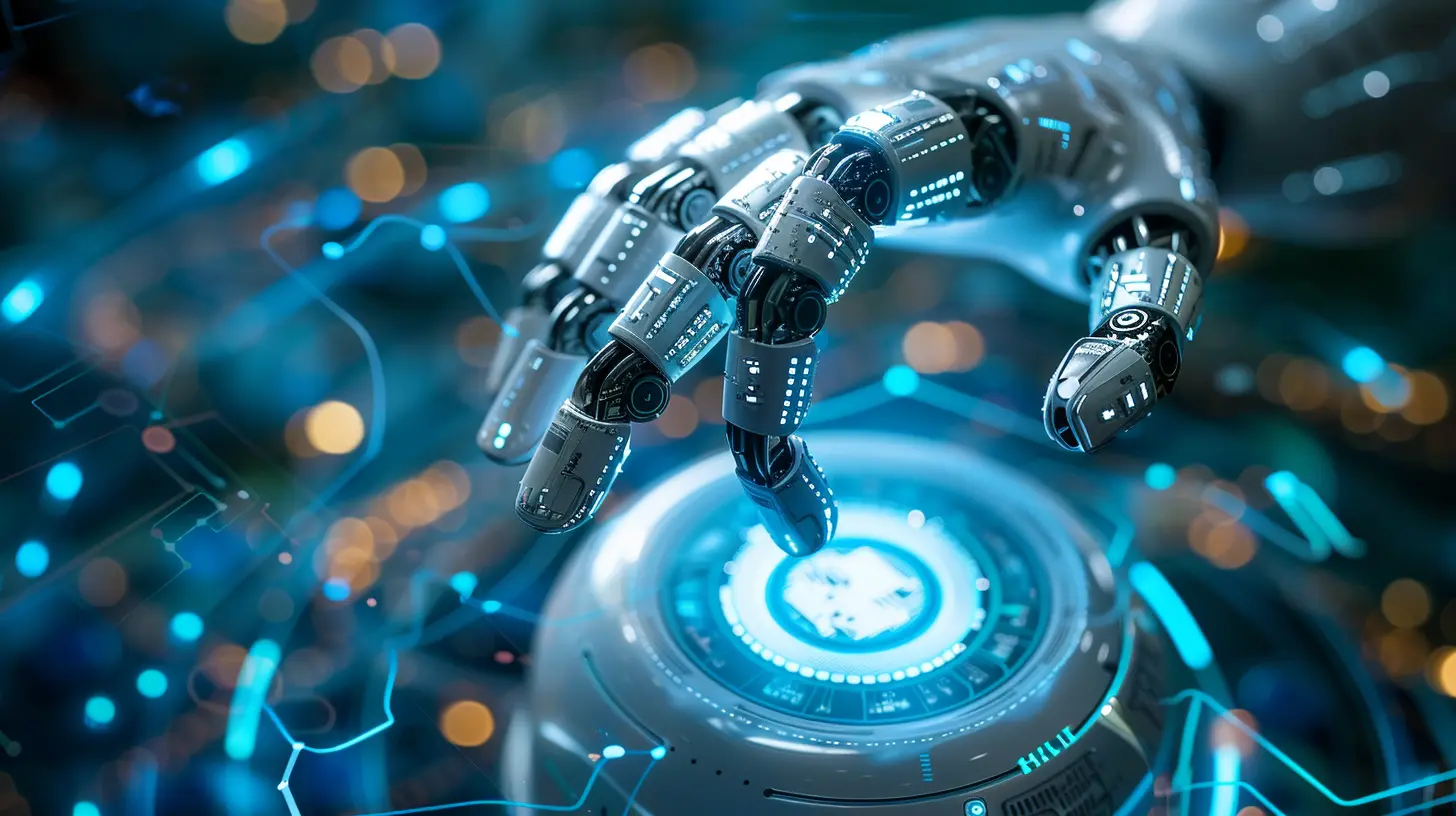
How AI is Revolutionizing Translation Gadgets
1. Real-Time, Instant Translation
Imagine wearing a device that translates speech instantly, allowing you to have a seamless conversation with someone who speaks a completely different language. That’s not just science fiction—it’s happening right now.AI-driven translation gadgets now offer real-time translation with near-human accuracy. Devices like AI earbuds, smart glasses, and even mobile apps are making it possible for travelers, business professionals, and global communities to communicate effortlessly.
2. Context-Aware Translations
Traditional translation technologies often get confused when dealing with phrases that depend on context. AI, however, is becoming smarter at understanding the meaning behind the words rather than just translating them literally.For example, the phrase "break a leg" in English doesn’t actually mean someone should injure themselves—it’s a way of saying "good luck." AI-powered gadgets now recognize idioms, sarcasm, and regional dialects, ensuring more accurate and human-like translations.
3. Voice Recognition and Accent Adaptation
Anyone who has ever spoken to a voice assistant, like Siri or Alexa, knows that accents can be a challenge. AI translation gadgets are now integrating advanced speech recognition to understand different accents, slang, and even fast speech.This is a game-changer for:
- Multinational businesses conducting meetings in multiple languages
- Travelers navigating foreign cities without language barriers
- Expats and immigrants adjusting to life in a new country
4. AI-Powered Wearables & Smart Assistants
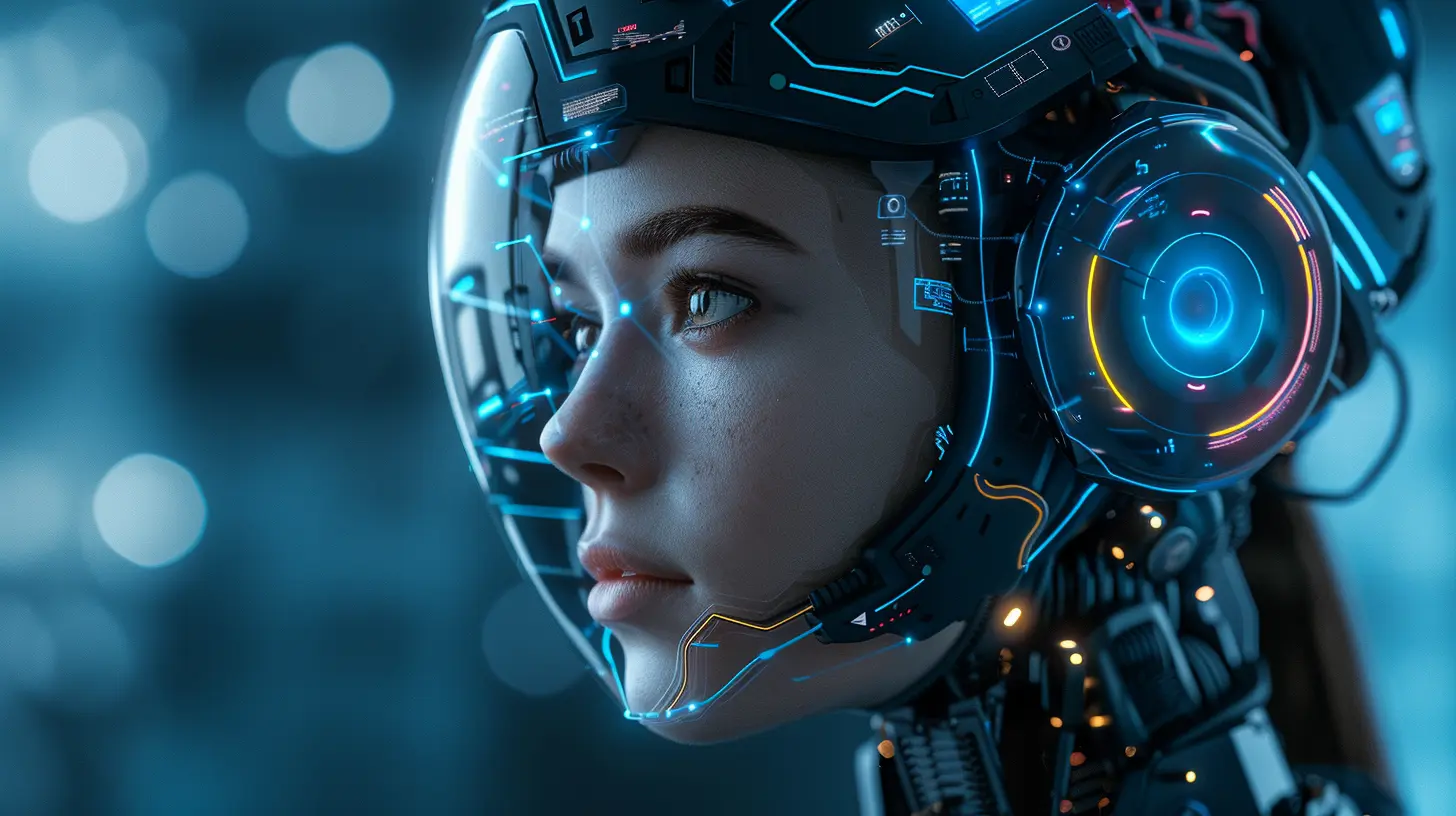
Gone are the days when translation tools were limited to mobile apps. AI-driven wearable translators are becoming more popular. Think about smart earbuds that translate conversations in real time or AR glasses that display subtitles right in front of your eyes.Devices like these are set to redefine global communication, breaking down language barriers and making the world more connected than ever before.
The Advantages of AI in Language Translation
So, why is AI-powered translation technology such a big deal? It’s all about efficiency, accessibility, and accuracy. Let’s break it down:1. Breaking Down Language Barriers
AI translation gadgets help people communicate without having to spend years learning a new language. That means more opportunities for travel, business, and cultural exchange—without the frustration of miscommunication.2. Faster and More Accurate Translations
Unlike traditional translation methods, AI-powered gadgets can process and translate speech in real-time with minimal delays. That’s a game-changer for professionals, students, and international travelers who need quick and accurate translations on the go.3. Affordable and Accessible Solutions
Hiring a human translator can be expensive, and traditional translation services aren’t always available when you need them. AI-powered gadgets provide instant translations at a fraction of the cost—making language translation accessible to everyone.
Challenges and Limitations of AI Translation
While AI-powered translation gadgets are impressive, they aren’t perfect (yet). Here are some of the challenges AI still needs to overcome:1. Understanding Complex Languages and Dialects
Some languages have multiple dialects, cultural nuances, and unique sentence structures that AI still struggles to grasp. While AI is improving rapidly, understanding the full complexity of human language remains a challenge.2. Accuracy in Professional Translations
While AI is great for everyday conversations, highly technical or legal translations still require a human touch. A poorly translated business contract or medical document could lead to serious misunderstandings.3. Privacy and Data Security Concerns
AI translation gadgets often require an internet connection to access cloud-based translation models. This raises privacy concerns, as some translations may be stored or analyzed for improvement.The Future of AI in Language Translation Gadgets
Even with these challenges, the future of AI-powered translation gadgets is incredibly exciting. So, what can we expect in the coming years?1. More Natural and Human-Like Translations
AI is getting better at understanding emotions, context, and tone. This means future translation gadgets will be able to capture the essence of a conversation, making translations feel more personal and natural.2. Offline AI Translation Technology
To address privacy concerns, companies are working on offline AI translators that don’t require an internet connection. This will allow users to translate languages securely, anywhere, and anytime.3. AI-Powered Brain-Computer Interfaces (BCI)
Imagine a world where you don’t even need to speak a language to understand it. With advances in brain-computer interfaces (BCIs), future AI translation technology may be able to process language directly from brain signals, eliminating the need for spoken words altogether.We may not be there yet, but AI is undoubtedly pushing the boundaries of what’s possible in language translation.
Final Thoughts
AI-driven translation gadgets are reshaping the way we communicate across languages—and they’re only going to get better. Whether you’re a traveler, a business professional, or just someone who loves connecting with people from different cultures, these advancements are making the world a much smaller and more connected place.The future is bright, and with AI leading the charge, a world without language barriers is closer than ever. So, who knows? Maybe one day, we won’t even need to learn new languages—our gadgets will do all the talking for us.
all images in this post were generated using AI tools
Category:
Tech InnovationsAuthor:

Adeline Taylor
Discussion
rate this article
2 comments
Ryan Dillon
Great insights! The potential of AI in language translation is exciting. Emphasizing user experience and cultural nuances will be crucial for these gadgets to truly bridge communication gaps. Looking forward to future developments!
April 5, 2026 at 2:43 AM
Adeline Taylor
Thank you! I completely agree—understanding user experience and cultural nuances is essential for making AI-driven translation tools truly effective. Exciting times ahead!
Remi McCool
Embrace the future! AI will revolutionize communication, bridging cultures and ideas seamlessly.
April 3, 2026 at 3:01 AM
Adeline Taylor
Thank you! I completely agree—AI has the potential to transform communication and foster greater understanding across cultures.