How to Legally Fly a Drone in Urban Areas
14 May 2026
Let’s be honest—drones are awesome. They give us the power to view the world from a bird’s-eye perspective, shoot jaw-dropping videos, and even make deliveries. But when it comes to flying drones in cities or urban areas, things can get a little... complicated.
There are laws, rules, and yes, some red tape you’ll need to cut through. But don’t worry—I’ve got your back. In this guide, we’re going to break down exactly how you can legally fly a drone in urban environments without ending up with a hefty fine or worse, having your drone grounded permanently.
So buckle up, charge your batteries, and let’s dive in!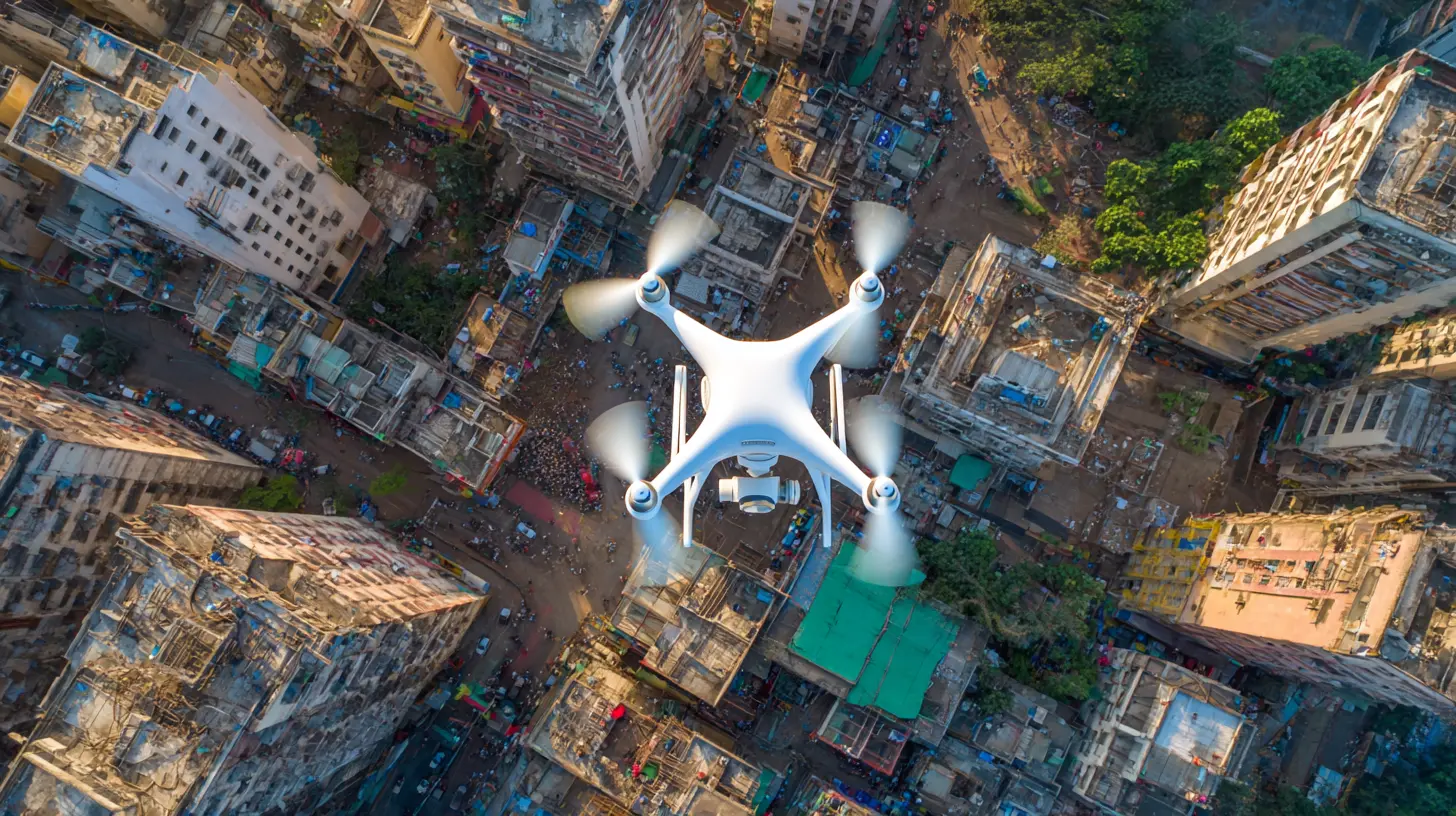
Why Flying a Drone in Urban Areas Is a Big Deal
You might be wondering: “Why all the fuss about flying drones in cities?” It boils down to safety, privacy, and airspace control. Urban areas are dense—not just with buildings but with people, cars, and other aircraft (like helicopters and emergency transport). A drone malfunction or careless flight could spell disaster real quick.In cities, you’re not just flying for fun anymore. The stakes are higher, and so are the legal consequences.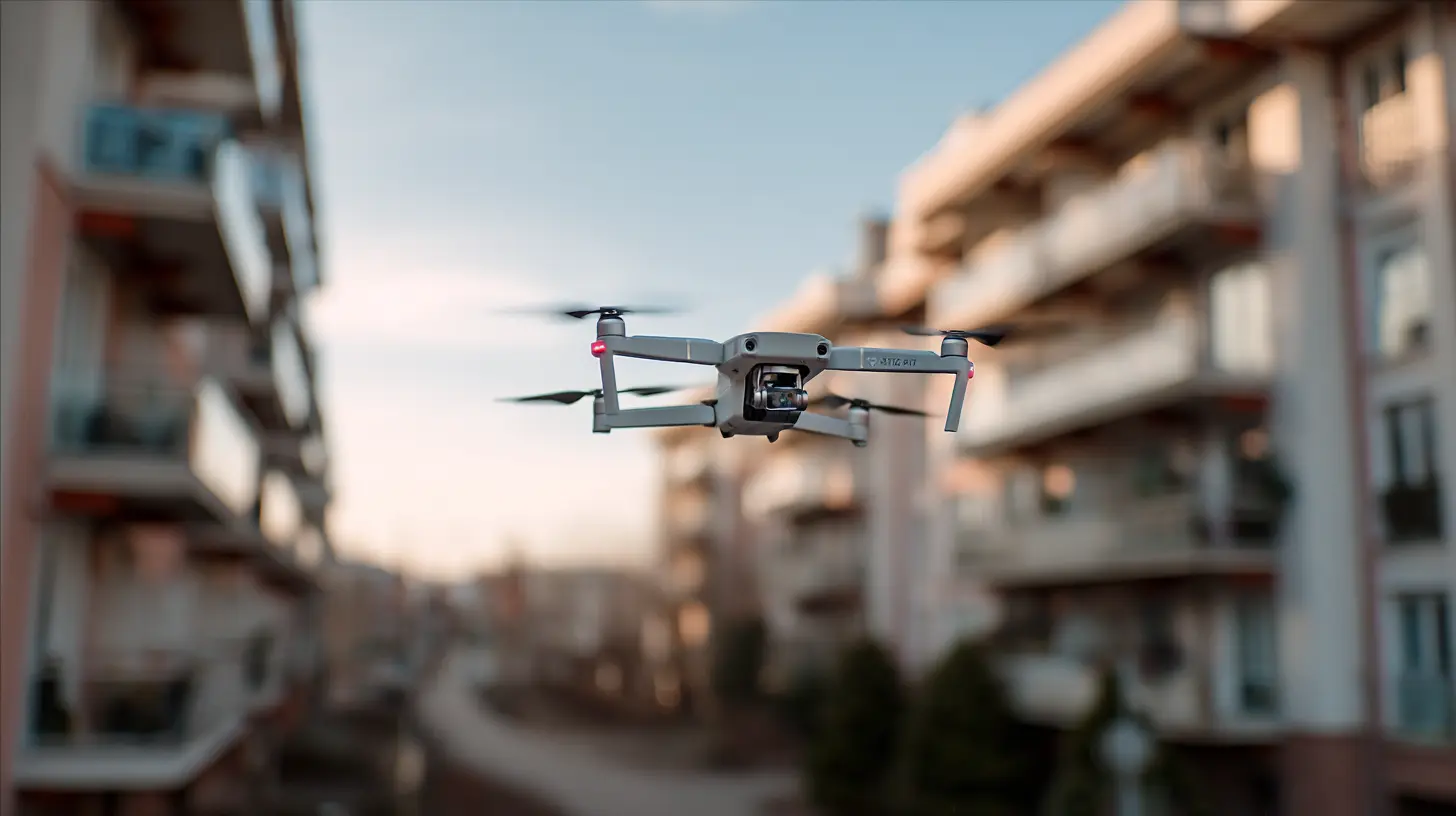
Understanding the Legal Landscape
1. Know Your Local Drone Laws
Before anything else, you need to know the rules of the land. Drone regulations differ from country to country—and even from city to city. For example, flying a drone in New York City is a strict no-go, while some European cities merely have altitude limits.A good place to start is your country’s aviation authority:
- United States: FAA (Federal Aviation Administration)
- United Kingdom: CAA (Civil Aviation Authority)
- Canada: Transport Canada
- Australia: CASA (Civil Aviation Safety Authority)
Each of these organizations provides comprehensive (albeit sometimes hard-to-digest) guidelines on what’s allowed.
2. Register Your Drone
If your drone weighs more than a certain threshold (typically 250 grams), you almost certainly need to register it. The FAA, for example, requires drone registration for drones over 0.55 lbs.Registration is simple but important. Flying an unregistered drone in regulated areas can get you slapped with serious fines.
3. Get Certified (If Required)
For recreational flyers, certification might not be necessary everywhere, but in most developed countries, if you're flying for any commercial purpose—even something as simple as monetizing YouTube videos—you’ll need a license.The FAA’s Part 107 Certification, for example, is mandatory for commercial drone pilots in the U.S.
Navigating Airspace in Urban Locations
1. Understand Airspace Classes
Not all skies are created equal. Urban areas often fall within controlled airspace—usually classified as Class B, C, D, or even E.These airspaces are typically near airports, and yes, they’re strictly controlled. That means you may need permission before flying.
Tools like AirMap, B4UFLY, and DroneAssist can help you determine what kind of airspace you're in and whether you need approval.
2. Apply for LAANC Authorization
In the U.S., the Low Altitude Authorization and Notification Capability (LAANC) system allows you to request real-time flight authorization in controlled airspace.It’s a lifesaver.
Apps like AirMap and Aloft (formerly Kittyhawk) let you submit these requests right from your phone. If your flight plan meets the criteria, you might get approval in seconds.
3. Avoid No-Fly Zones
Some areas are strictly off-limits no matter what. Think military bases, stadiums, or national landmarks. Flying in these zones is not just illegal but potentially dangerous.Always check before you fly. Ignorance won't get you out of trouble.
Safety First – Rules You Can't Ignore
1. Keep Your Drone in Sight
This one’s huge. You always need to fly within your visual line of sight (VLOS). That means if your drone’s somewhere off behind a building or around the block—you’re flying illegally.2. Respect the Altitude Limit
Most countries set a ceiling on how high you can fly. For example, the FAA caps drone flights at 400 feet above ground level.Why? Because manned aircraft often cruise above that height. Colliding with a plane? Yeah, let’s not go there.
3. Avoid Flying Over People
Unless everyone on the ground is part of your drone operation (basically your crew) or you have special permission, flying over crowds is a big no-no. In cities, this can be a challenge. Stick to early mornings or less crowded spots to stay compliant.4. Stay Away from Emergency Situations
Flying near a fire, police action, or any emergency is off-limits. First responders need clear skies—not a drone buzzing overhead.Privacy—Don’t Be That Creepy Pilot
Privacy is a touchy subject, and rightly so. Just because your drone has a killer zoom feature doesn’t mean you should use it to check out someone’s rooftop pool party.Most countries have strict privacy laws, and flying a drone doesn’t give you a free pass to ignore them.
A good rule of thumb? Don’t record or hover over private property without permission. If someone feels you’re invading their space, you could face legal action or worse—someone might try to take down your drone…
Tips for Urban Drone Flying
Now that we’ve covered the boring (but essential) legal stuff, let’s talk technique. Urban flying ain’t like open fields—it’s a whole different beast.1. Scout the Location First
Before launching your drone, take a walk around the area. Look for obstacles like wires, trees, and tight spaces. Get a feel for wind conditions and potential signal interference.2. Use a Spotter
Flying near buildings can degrade your GPS signal and mess with your line of sight. Having a buddy who keeps their eyes on the drone while you focus on the controls is not just handy—it’s smart.3. Fly During Off-Peak Hours
Early mornings or late afternoons usually have fewer people and less interference. Also, softer lighting makes your footage look way better. Double win.4. Master Manual Mode
GPS can be unreliable in urban jungles due to reflective surfaces and signal jamming. Learning to fly in Atti (manual) mode ensures you maintain control if GPS drops out.5. Keep Batteries in Check
Urban flying often means shorter flight time due to constant adjustments and dodging obstacles. Keep an eye on your battery level and set a strict "return to home" threshold.Real-Life Use Cases for Urban Drone Flying
Real Estate
An aerial shot of a chic downtown condo or suburban home can seal the deal for potential buyers. Just make sure you’ve got the necessary licenses.Urban Filmmaking
Cityscapes at sunset? Yes, please. Drones add cinematic flair to indie films, commercials, and music videos. Bonus points if you can get those sweet tracking shots without breaking the law.Infrastructure Inspection
From bridges to cell towers, drones are helping engineers inspect urban infrastructure without putting themselves at risk. Talk about high-tech hard hats.Can You Fly Over Private Property in Cities?
This is where things get murky. Flying over someone’s property is usually legal if you’re following all altitude and VLOS rules—but hovering, filming, or landing? That’s when legal issues pop up.Some cities have ordinances that govern drone flights over private residences. Always check your local laws, and when in doubt—ask for permission.
What Happens if You Break the Rules?
Let’s get real—authorities are cracking down hard on rogue drone pilots. Depending on where you are, consequences can range from:- Fines (sometimes thousands of dollars)
- Drone confiscation
- Criminal charges
- Bans from flying
And if your drone causes property damage or injury? That’s an entirely different can of legal worms.
Final Thoughts
Flying a drone in urban areas isn’t impossible—it’s just more complex. Knowing the law, respecting people’s space, and flying responsibly can keep you out of trouble and in the skies.Treat your drone like a sports car: fun to use, but not in the wrong places. Be smart, follow the rules, and you’ll be capturing stunning city shots in no time.
Remember: the streets may be mean, but the skies have rules too.
all images in this post were generated using AI tools
Category:
DronesAuthor:

Adeline Taylor
Discussion
rate this article
2 comments
Blair McAndrews
Great tips for navigating urban drone laws safely!
June 24, 2026 at 3:08 AM
Adeline Taylor
Thanks! I'm glad you found the tips helpful. Safe flying out there!
Alana Moore
Flying a drone in the city is like playing a game of chess with pigeons. You need strategy, patience, and maybe a snack or two to distract the local birdwatchers. Just remember to check the rules before you take off, or you might end up grounded... literally!
June 6, 2026 at 3:00 AM
Adeline Taylor
That's a clever analogy! A little planning and awareness can definitely keep both drones and pigeons flying smoothly. Thanks for sharing!