The Rise of Next-Gen Electric Scooters and E-Bikes for Urban Living
18 July 2026
Urban transportation is broken in most cities. Traffic congestion wastes hours of productive time. Public transit routes rarely align with where people actually need to go. Parking costs rival monthly rent in some neighborhoods. And the environmental toll of single-occupancy vehicles continues to mount.
Electric scooters and e-bikes have emerged as a practical solution to these problems, but the current generation of vehicles bears little resemblance to the rental scooters that littered sidewalks a few years ago. The technology, design, and use cases have matured significantly. What we are seeing now is not a fad but a fundamental shift in how people move through dense urban environments.
This article goes beyond the surface-level hype. It examines what makes next-gen electric scooters and e-bikes genuinely different, where they still fall short, and how to choose the right vehicle for your specific urban situation. If you are considering an e-bike or scooter for commuting, errands, or replacing a car trip entirely, the following analysis will help you make an informed decision.
Why the First Generation Failed to Deliver
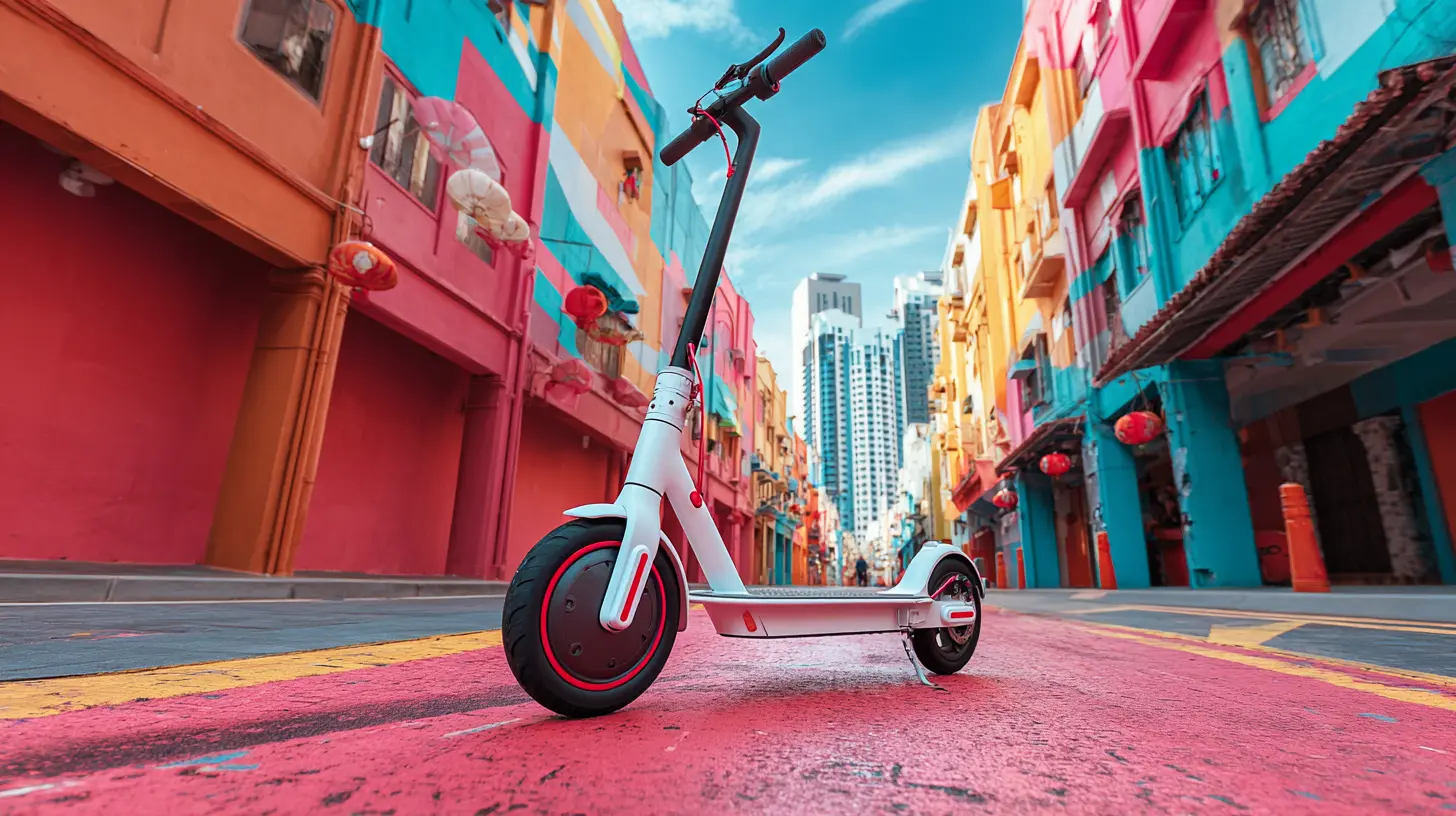
The early electric scooters and e-bikes that flooded the market around 2018-2020 had serious limitations. Rental scooters from companies like Bird and Lime introduced the concept to millions of people, but they also created a lasting negative impression. Those first-generation vehicles had solid tires that transmitted every bump directly to the rider's spine. Their range was laughably short, often dying mid-commute. And the build quality was so poor that many units broke within months.The problem was that manufacturers treated these vehicles as toys or novelty items rather than serious transportation tools. They used cheap batteries with no thermal management, motors that overheated on even modest hills, and frames that flexed dangerously at speed. Consumers who bought early personal scooters often ended up with paperweights after a single season.
The e-bike side was not much better. Early conversion kits were unreliable, with batteries that caught fire and motors that failed after a few hundred miles. Purpose-built e-bikes from major bicycle manufacturers were overpriced and underpowered, often using heavy lead-acid batteries that made the bike unrideable when the battery died.
The industry learned from these mistakes, but the learning curve was steep and expensive for early adopters.
What Makes Next-Gen Vehicles Different
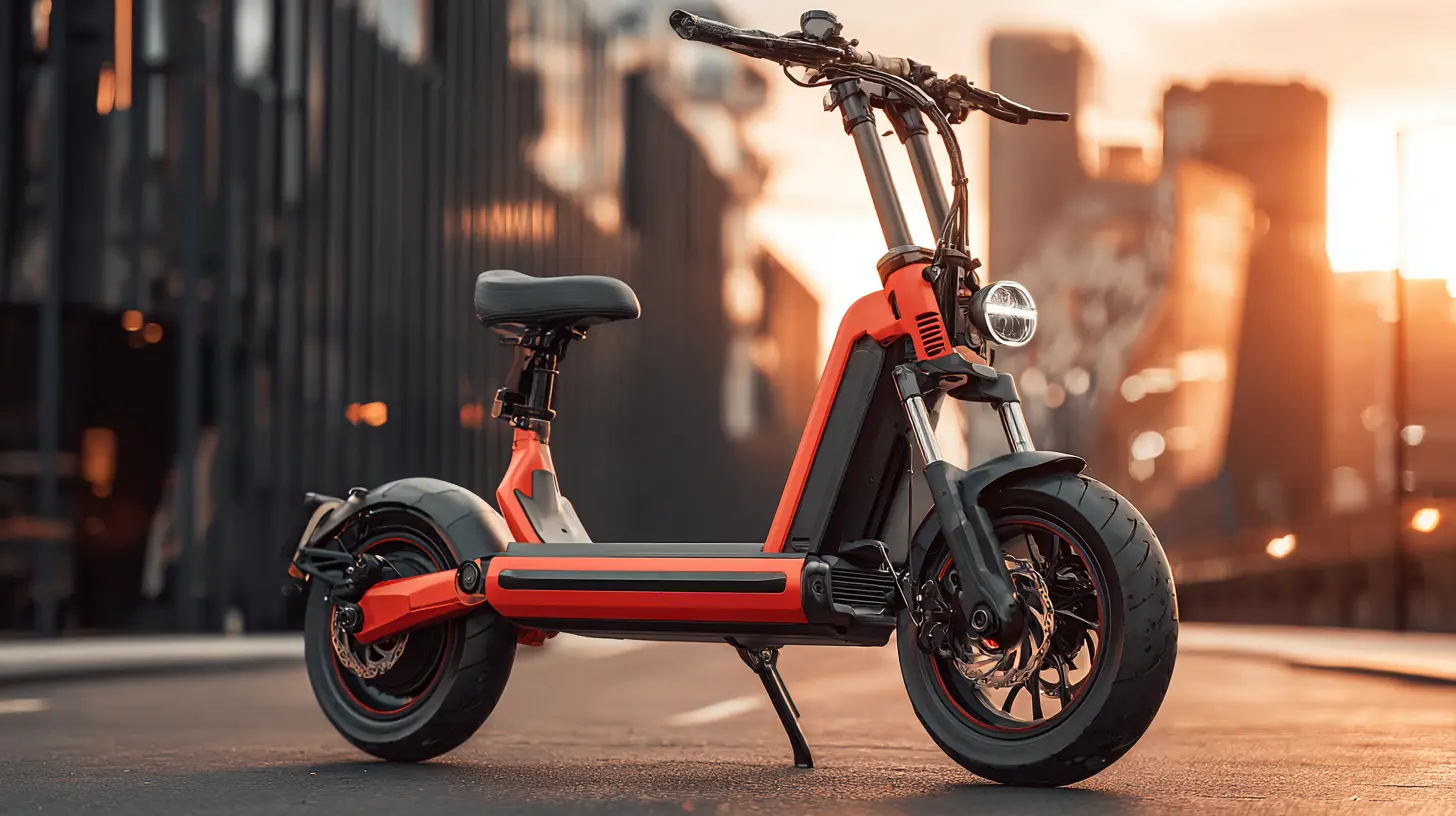
The current generation of electric scooters and e-bikes represents a complete rethinking of the category. Engineers stopped trying to make electric vehicles that looked like gas-powered ones and started designing from the ground up for electric propulsion.Battery Technology Has Transformed
The most significant advancement is in battery chemistry and management. Modern lithium-ion packs use higher-quality cells from manufacturers like Samsung, LG, and Panasonic. More importantly, battery management systems (BMS) have become sophisticated enough to balance cell voltages, prevent over-discharge, and manage temperature. This means the battery lasts longer per charge and over the lifetime of the vehicle.A typical next-gen e-bike battery now delivers 500 to 700 watt-hours of capacity. That translates to 40 to 60 miles of real-world range on moderate pedal assist, not the exaggerated numbers manufacturers used to claim. For scooters, 400 to 500 watt-hours is common, giving 20 to 30 miles of actual range at reasonable speeds.
The charging speed has also improved. Most modern vehicles can charge from empty to 80 percent in two to three hours using the included charger. Some premium models support fast charging that cuts that time in half.
Motors That Actually Work
Early electric scooters used hub motors with plastic gears that stripped under load. Current scooters use direct-drive hub motors or geared motors with metal planetary gears. These deliver smooth acceleration, handle hills without overheating, and last thousands of miles.E-bikes have mostly settled on mid-drive motors for premium models and hub motors for budget options. Mid-drive motors from Bosch, Shimano, and Brose mount at the bottom bracket and drive the chain directly. This gives better weight distribution, allows the motor to use the bike's gearing for climbing, and feels more natural when pedaling. The trade-off is higher cost and more wear on the chain and cassette because the motor applies torque through the drivetrain.
Hub motors in e-bikes are simpler, cheaper, and require less maintenance. They work well on flat terrain and for riders who want a more moped-like experience. The downside is that they add weight to the rear wheel, making the bike feel unbalanced, and they struggle on steep hills because they cannot leverage the bike's gears.
Structural Integrity
The frame designs have improved dramatically. Scooters now use aircraft-grade aluminum with proper welds and heat treatment. The folding mechanisms, which were a common failure point, use double locking latches with steel pins. Handlebars are wider and more ergonomic, and the decks are longer and lower to the ground for stability.E-bike frames are now designed specifically for electric components. The battery integrates into the downtube rather than strapping on as an afterthought. Internal cable routing keeps wires protected from the elements. And the geometry accounts for the extra weight of the motor and battery, resulting in stable handling at higher speeds.
Real-World Use Cases and Practical Advice
The theoretical advantages of electric scooters and e-bikes mean nothing if they do not work in actual urban conditions. Here is how they perform in common scenarios.The Commute
For the daily commute of 5 to 15 miles each way, an e-bike is almost always the better choice. The reason is simple: e-bikes handle weather, cargo, and varied terrain much better than scooters. You can add fenders, a rack, and panniers to carry a laptop and change of clothes. You can pedal when the battery runs low, which is not an option on most scooters. And you can take advantage of bike lanes and paths that scooters are often banned from.A commuter e-bike with a mid-drive motor, hydraulic disc brakes, and a 500 watt-hour battery will cover most urban commutes with ease. Expect to spend $1,500 to $3,000 for a quality model. The Rad Power RadCity, Tern Quick Haul, and Specialized Turbo Vado are examples of well-engineered commuter e-bikes that have proven reliable over thousands of miles.
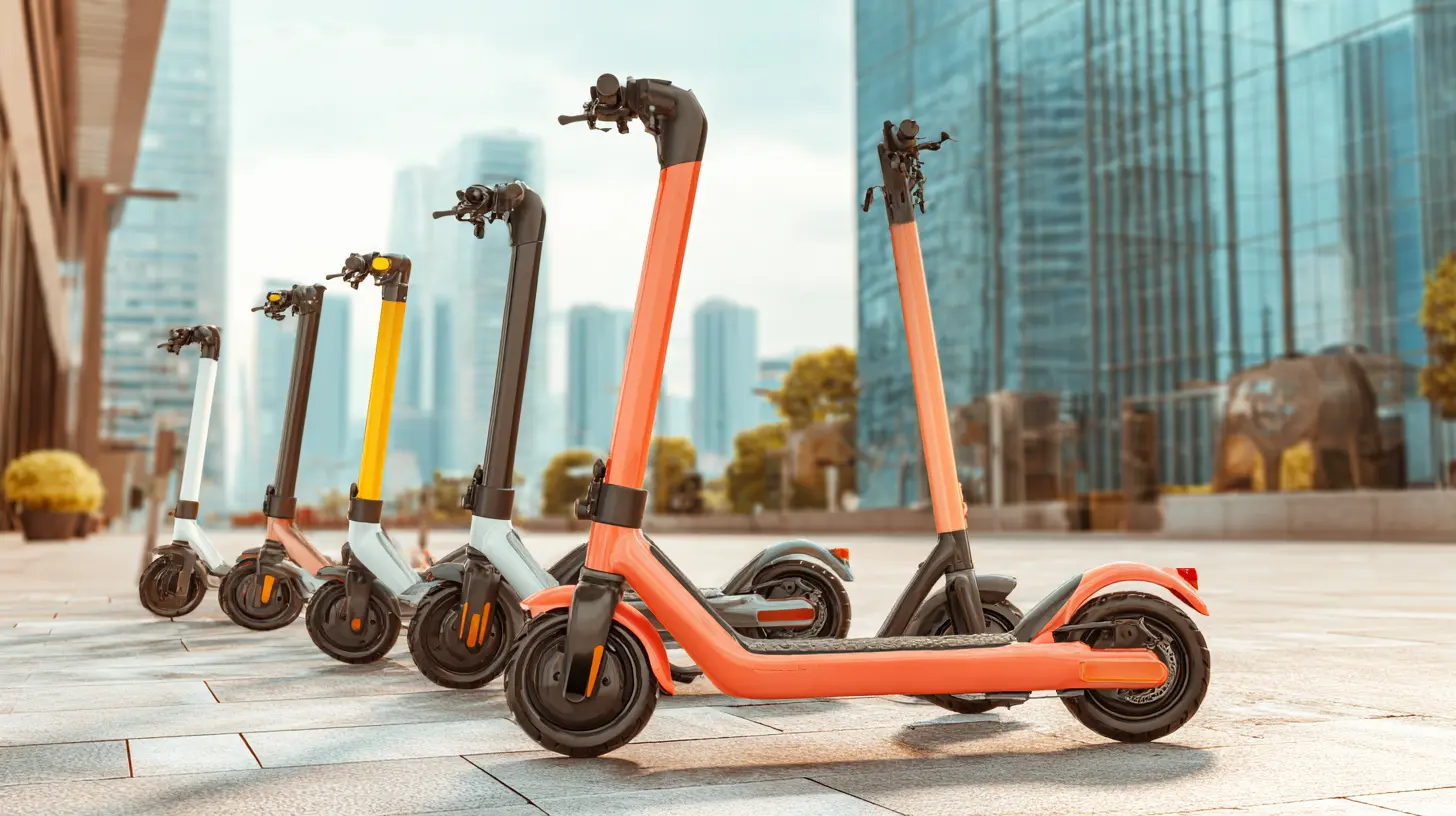
Scooters work well for shorter commutes under 5 miles, especially if you need to combine riding with public transit. A scooter folds small enough to carry onto a bus or train, which an e-bike cannot do easily. The Segway Ninebot Max and the Apollo City are good examples of commuter scooters that balance portability with ride quality.
The Last Mile
For the final leg of a trip from a train station or bus stop to your destination, a lightweight scooter is ideal. Here, portability matters more than range or speed. Look for a scooter that weighs under 30 pounds and folds into a compact package. The Unagi Model One and the Glion Dolly are designed specifically for this use case, with carrying handles and wheels that let you roll them like luggage.The common mistake is buying a heavy, powerful scooter for last-mile use. A 50-pound scooter with 40 miles of range is overkill for a 2-mile ride and becomes a burden when you have to carry it up stairs or stow it under a desk.
Cargo and Errands
E-bikes have a clear advantage for carrying things. Cargo e-bikes like the Rad Power RadWagon or the Xtracycle Swoop can haul 300 to 400 pounds of groceries, kids, or equipment. The long wheelbase and low center of gravity make them stable even when loaded. The trade-off is weight and size. A cargo e-bike weighs 70 to 80 pounds and is too long to fit on most bike racks.For lighter errands, a standard e-bike with a rear rack and panniers works well. You can carry two full grocery bags or a 12-pack of drinks without issue. Just make sure the rack is rated for the weight and that the bike's handling remains predictable when loaded.
Scooters are poor choices for cargo. Most have no storage, and carrying anything in a backpack while riding a scooter shifts your center of gravity and makes steering unstable. If you need to carry more than a small messenger bag, choose an e-bike.
Common Misconceptions and Mistakes
Misunderstanding the capabilities and limitations of these vehicles leads to frustration and wasted money. Here are the most common errors.Assuming Range Estimates Are Accurate
Manufacturer range claims are almost always optimistic. They test on flat ground at low speeds with a light rider. Real-world range depends on rider weight, terrain, wind, temperature, and how much you use the throttle versus pedaling. A general rule is to cut the advertised range in half for realistic expectations. If a scooter claims 40 miles of range, plan for 20 miles in mixed conditions.Cold weather is especially hard on batteries. Below freezing, lithium-ion cells lose significant capacity. A battery that delivers 500 watt-hours at 70 degrees Fahrenheit might only deliver 350 watt-hours at 30 degrees. If you ride in winter, factor in a 30 to 40 percent range reduction.
Buying Too Much Power for City Riding
High-power scooters and e-bikes that can reach 30 or 40 mph are tempting, but they are often worse for urban riding than slower models. The problem is that most cities have speed limits of 15 to 20 mph for electric micro-mobility vehicles. Riding faster than the legal limit invites tickets and conflicts with police. More importantly, high-speed vehicles require more aggressive braking, better suspension, and higher-quality tires to be safe. Many budget high-speed scooters lack these features, making them dangerous at their top speeds.For city riding, a scooter that tops out at 20 mph or an e-bike with a 28 mph pedal-assist limit is sufficient. The extra power in a 40 mph scooter is rarely usable and adds weight and cost.
Ignoring Maintenance Requirements
Electric scooters and e-bikes are not zero-maintenance. Tires wear out and need replacement. Brake pads need adjustment and replacement. Chains on e-bikes wear faster than on regular bikes because of the motor torque. Batteries degrade over time and eventually need replacement, which can cost $300 to $800 depending on the model.The biggest maintenance mistake is neglecting tire pressure. Underinflated tires increase rolling resistance, reduce range, and make the ride uncomfortable. They also make the tire more prone to punctures. Check tire pressure at least once a week and keep it at the manufacturer's recommended level.
Safety Considerations That Matter
Safety is the most overlooked aspect of electric micro-mobility. The vehicles themselves are generally reliable, but the riding environment is dangerous.Visibility Is Your Best Defense
Most accidents involving scooters and e-bikes happen because other road users do not see the rider. A scooter or e-bike is smaller and quieter than a car, and drivers often do not expect them to be moving at 20 mph. The solution is to make yourself visible from all angles.Install a bright headlight that illuminates the road ahead, not just a blinking light that makes you visible. Add a taillight that is visible from at least 500 feet. Wear reflective clothing, especially on your ankles and wrists, where movement catches the eye. Avoid riding in blind spots, and always assume that drivers do not see you.
Braking Systems Matter More Than Speed
On a scooter, the braking system is critical. Many budget scooters use a single rear drum brake or a mechanical disc brake that is barely adequate. A scooter weighing 40 pounds with a 180-pound rider traveling at 20 mph has significant kinetic energy. Stopping distance can be 15 to 20 feet with good brakes and much longer with poor ones.Look for scooters with dual disc brakes, preferably hydraulic. The Segway P100S and the Vsett 10+ have excellent braking systems that provide confident stopping power in wet conditions. E-bikes should have hydraulic disc brakes as well. Mechanical disc brakes work but require more hand strength and frequent adjustment.
Suspension Is Not Optional for Comfort
Riding on rough city streets without suspension is jarring and fatiguing. It also increases the risk of losing control when you hit an unexpected pothole or crack. Scooters should have both front and rear suspension. The best designs use spring and damper combinations that absorb small bumps while preventing bottoming out on larger hits.E-bikes benefit from suspension too, but the type matters. A suspension fork on the front is standard on many e-bikes. For urban riding, a fork with 60 to 80 millimeters of travel and lockout is ideal. Full-suspension e-bikes are overkill for city streets and add unnecessary weight and complexity.
The Economics of Ownership
The upfront cost of a quality electric scooter or e-bike is significant, but the total cost of ownership is much lower than a car.Comparing Costs
A good commuter e-bike costs $1,500 to $3,000. A quality scooter costs $800 to $1,500. Both have an expected lifespan of 3 to 5 years with proper maintenance. Battery replacement adds $300 to $800 during that period.Compare that to car ownership. The average monthly payment for a new car in the United States is over $700. Insurance, fuel, parking, and maintenance add several hundred more. Even a cheap used car costs $200 to $300 per month in operating expenses.
An e-bike or scooter pays for itself within 6 to 12 months if it replaces a car commute. The savings are even greater in cities with high parking costs or congestion charges.
Hidden Costs
There are costs that first-time buyers often miss. A good lock is essential. A U-lock from Kryptonite or Abus costs $50 to $100. Insurance is worth considering for expensive e-bikes. Homeowner's or renter's insurance may cover theft, but the deductible and limits vary. Some companies offer dedicated e-bike insurance for $100 to $200 per year.Storage is another consideration. If you live in an apartment, you need a place to keep the vehicle indoors. Scooters can be stored under a desk or in a closet. E-bikes take up more space and may require a wall mount or floor stand.
Regulatory Landscape and Where It Is Headed
Laws governing electric scooters and e-bikes vary widely by location and are changing rapidly. Understanding the rules in your area is essential.Class Systems for E-Bikes
Most jurisdictions in the United States use a three-class system for e-bikes. Class 1 e-bikes have pedal assist only and a top speed of 20 mph. Class 2 e-bikes have a throttle and a top speed of 20 mph. Class 3 e-bikes have pedal assist up to 28 mph and often require the rider to be at least 16 years old.Some cities ban Class 3 e-bikes from bike paths and multi-use trails. Others require registration and a license for any e-bike that exceeds 20 mph. Check your local laws before buying.
Scooter Regulations Are Less Consistent
Scooter regulations are even more fragmented. Some cities treat them like bicycles and allow them in bike lanes. Others classify them as motor vehicles and require registration, insurance, and a driver's license. A few cities have banned private scooters entirely, allowing only rental scooters from approved companies.The trend is toward more regulation, not less. As e-bikes and scooters become more common, cities are creating dedicated infrastructure and enforcing speed limits and parking rules. This is good for safety and acceptance, but it means riders need to stay informed about changing laws.
How to Choose the Right Vehicle
The decision between a scooter and an e-bike comes down to three factors: distance, terrain, and portability.When to Choose an E-Bike
Choose an e-bike if your commute is over 5 miles, you need to carry cargo, you ride in rain or snow, or you want the option to pedal without motor assistance. E-bikes are more versatile, safer at higher speeds, and better for year-round use. The downsides are higher cost, more maintenance, and the need for secure storage.When to Choose a Scooter
Choose a scooter if your commute is under 5 miles, you need to combine riding with public transit, you have limited storage space, or you want the simplest possible riding experience. Scooters are cheaper, easier to store, and require less physical effort. The downsides are less stability, poor cargo capacity, and limited range.Budget Guidelines
Do not buy the cheapest option. A $300 scooter or $800 e-bike will disappoint you within months. The components are low quality, the battery is likely unsafe, and the warranty is probably worthless. Spend at least $800 for a scooter and $1,500 for an e-bike to get something that will last.At the same time, do not overbuy. A $4,000 e-bike with carbon fiber frame and electronic shifting is wasted on a 3-mile flat commute. The extra cost buys weight savings and performance that you will not use. A mid-range model with reliable components and a good battery is the sweet spot for most riders.
The Future of Urban Micro-Mobility
The next few years will bring significant changes to this category. Battery technology continues to improve, with solid-state batteries on the horizon that could double range while reducing weight. Motor efficiency is increasing, and regenerative braking is becoming standard on premium models.The bigger changes will come from infrastructure and regulation. Cities are building protected bike lanes at an accelerating rate. Some are implementing congestion pricing that makes driving expensive and micro-mobility more attractive. Employers are adding e-bike subsidies to their benefits packages.
The most important development is the shift in perception. Electric scooters and e-bikes are no longer seen as toys or novelties. They are recognized as legitimate transportation tools that reduce congestion, lower emissions, and improve quality of life. The technology has caught up to the need, and the next generation of vehicles will only get better.
If you are considering making the switch, the time is right. The vehicles are reliable, the infrastructure is improving, and the economics work. Just do your homework, buy quality, and ride safely.
all images in this post were generated using AI tools
Category:
Technology ReviewsAuthor:

Adeline Taylor
Discussion
rate this article
1 comments
Victoria Simmons
Next-gen electric scooters and e-bikes are transforming urban mobility, offering eco-friendly alternatives that enhance convenience and reduce congestion in city environments.
July 19, 2026 at 2:24 AM
Adeline Taylor
I agree, the rise of these electric scooters and e-bikes is reshaping how we navigate cities. They're a practical solution for reducing traffic and promoting sustainability.