The Next Generation of VR Headsets: What to Expect
8 June 2026
Virtual reality (VR) isn't just a buzzword anymore—it's quickly becoming a defining piece of the future tech puzzle. If you've been following the evolution of VR headsets, it's hard not to be excited about what's coming next. The headsets we’ve seen so far were just the opening act. The next generation of VR headsets? They're shaping up to be something straight out of a sci-fi movie.
In this article, we’ll dive into the features, tech upgrades, and innovations that are expected to shape the future of VR devices. You’ll get a clear idea of where virtual reality is headed and what that means for gamers, professionals, and everyday users like you.
The VR Revolution: How We Got Here
Before we jump into the future, let’s take a quick pitstop in the past. The first wave of modern VR came with bulky, expensive, and somewhat underwhelming devices. Sure, putting on a headset and being transported into another world was mind-blowing—but the tech had its limits. Resolution was grainy, latency was noticeable, and let’s not even talk about the tangled wires.Fast forward a few years, and we now have standalone VR headsets, inside-out tracking, and immersive 6DOF (Degrees of Freedom) gameplay. Oculus Quest 2 proved that you don’t need a PC to experience high-quality VR. Sony’s PSVR brought console gamers into the mix. And then there are enterprise-focused devices bringing VR into healthcare, training, and design.
But we’re not done yet. In fact, we’re just getting started.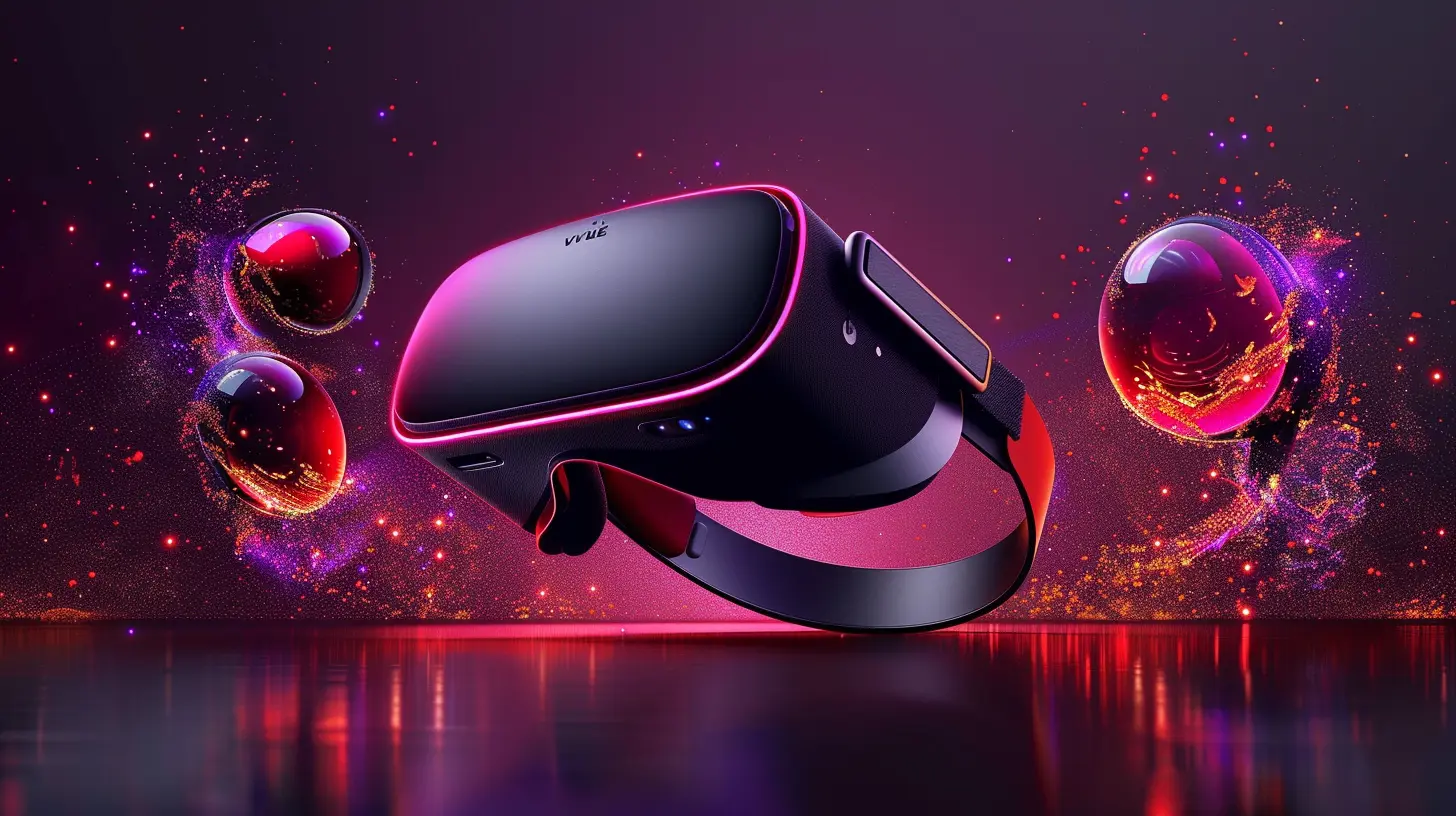
A Glimpse Into Tomorrow: What's Coming?
So, what will the next-gen VR headsets look like? Let’s break it down.1. Insane Display Resolutions
You know that “screen door” effect where you can see the gaps between pixels? Say goodbye to that. The next generation of VR headsets is all about cranking up those pixels. We're talking 4K per eye, and some prototypes are already hitting 8K resolution overall.Not only will that make visuals crisper and more lifelike, but it also minimizes eye strain—something that turns off a lot of first-time users.
Imagine watching a VR movie or exploring the inside of a digital museum and feeling like you're genuinely there. Crisp text, vivid colors, and no jagged edges. That’s where we’re headed.
2. Eye Tracking, Foveated Rendering & The Power of Focus
Here’s where the magic gets smarter. Eye tracking will become a standard feature, letting headsets know exactly where you're looking. Why does that matter?Well, combine eye tracking with something called foveated rendering. This means the headset only needs to render in full resolution where your eyes are focused. The rest can remain slightly blurred without you noticing. Smart, right? It saves on processing power and boosts battery life.
Plus, eye tracking opens the door to more natural interactions—think aiming in a game by looking at your target or navigating menus with your gaze. It’s not just immersive, it’s intuitive.
3. Lighter, Sleeker, and More Comfortable Designs
Let’s face it—current VR headsets can be a bit of a pain in the neck, literally. But that’s changing fast. As display technology gets thinner and more efficient, manufacturers are slimming down their devices.We’re seeing prototypes that are closer to ski goggles than bulky helmets. Some even use pancake lenses to flatten the optical path, reducing the headset's weight significantly.
Comfort is key if VR is going to go mainstream. Next-gen devices will focus on ergonomics, favoring materials that are breathable, adjustable, and feather-light—ideal for longer sessions, whether you’re gaming, working, or just hanging out in the metaverse.
4. Mixed Reality Is No Longer a Gimmick
The line between VR and AR (Augmented Reality) is starting to blur. Some of the most exciting features coming to VR headsets involve mixed reality—combining real-world visuals with virtual overlays.Thanks to advanced passthrough cameras, you’ll soon be able to see your environment with precise depth perception and vibrant color. So instead of being cut off from the world, future VR lets you bring real-world elements in and interact with them.
Imagine building a virtual model on your real desk or attending a virtual meeting where you can still see your surroundings. It’s like merging your office with The Matrix—but in a good way.
5. Expanded Haptics and Full-Body Tracking
VR today is mostly about what you see and hear. But the future? It’s about what you feel too.Next-gen VR will bring enhanced haptics—not only in hand controllers but also gloves, suits, and even footwear. Imagine feeling the tension of a bowstring as you pull it back or the slight vibration when your digital sword hits a virtual shield.
And we’re not stopping at hands. Full-body tracking is becoming more accessible, with sensors tracking your legs, waist, and even facial expressions. Avatars in virtual worlds are going to look and move more like you than ever before.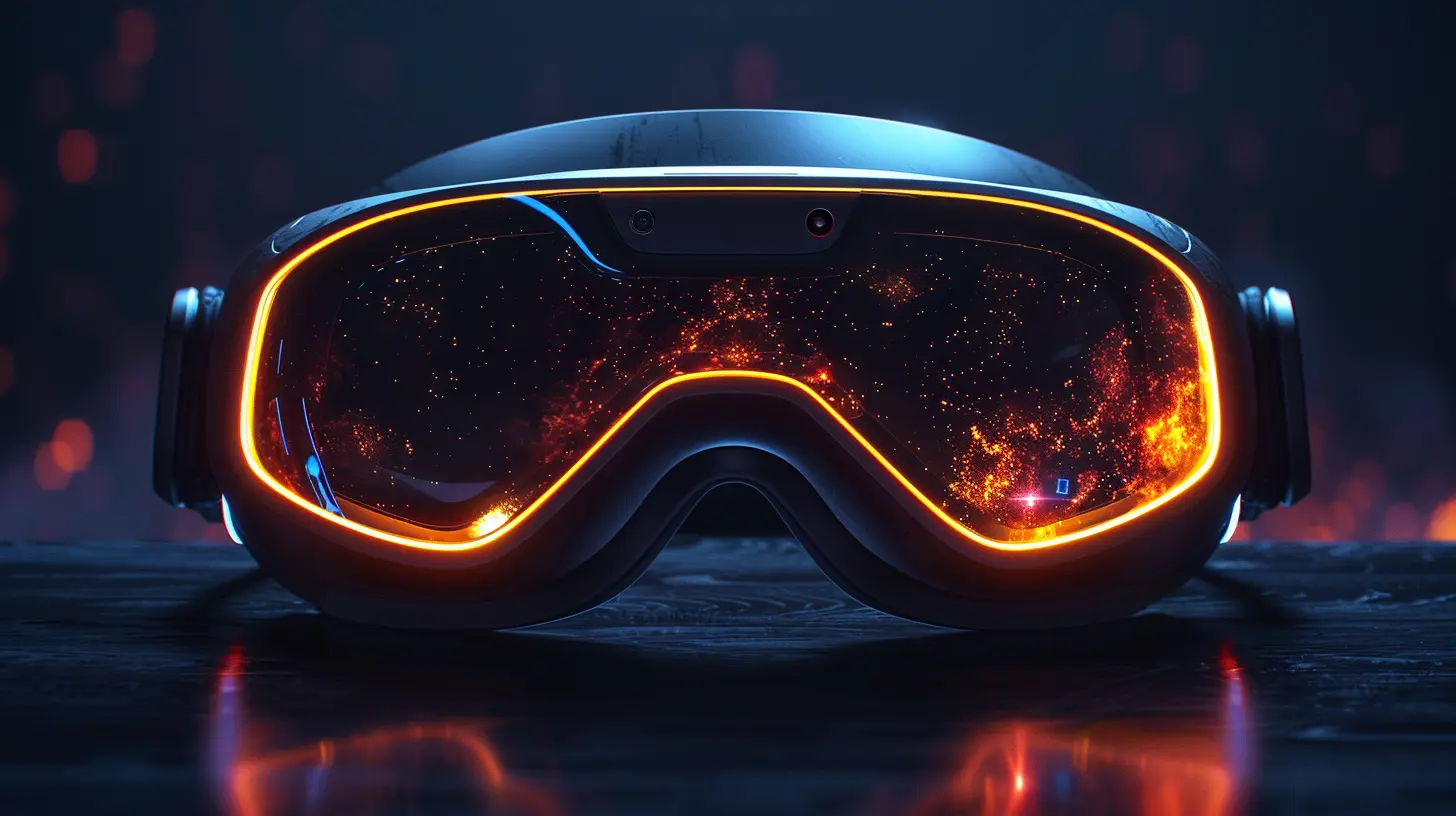
The Brains Behind the Headsets
AI and Machine Learning
Behind all this fancy hardware lies even fancier software. Artificial intelligence and machine learning are driving smarter tracking, gesture recognition, voice commands, and scene understanding.AI can adjust settings on the fly, balance frame rates, and even predict your next move to reduce latency. It’s like having a mini co-pilot in your headset.
Cloud Computing and Edge Processing
Speaking of brains, not all of it needs to be inside the headset. Cloud-based VR is picking up speed. Next-gen VR headsets could tap into remote servers to do the heavy lifting—meaning less heat and longer battery life in the device itself.That opens up the door to even smaller and cheaper headsets without sacrificing performance.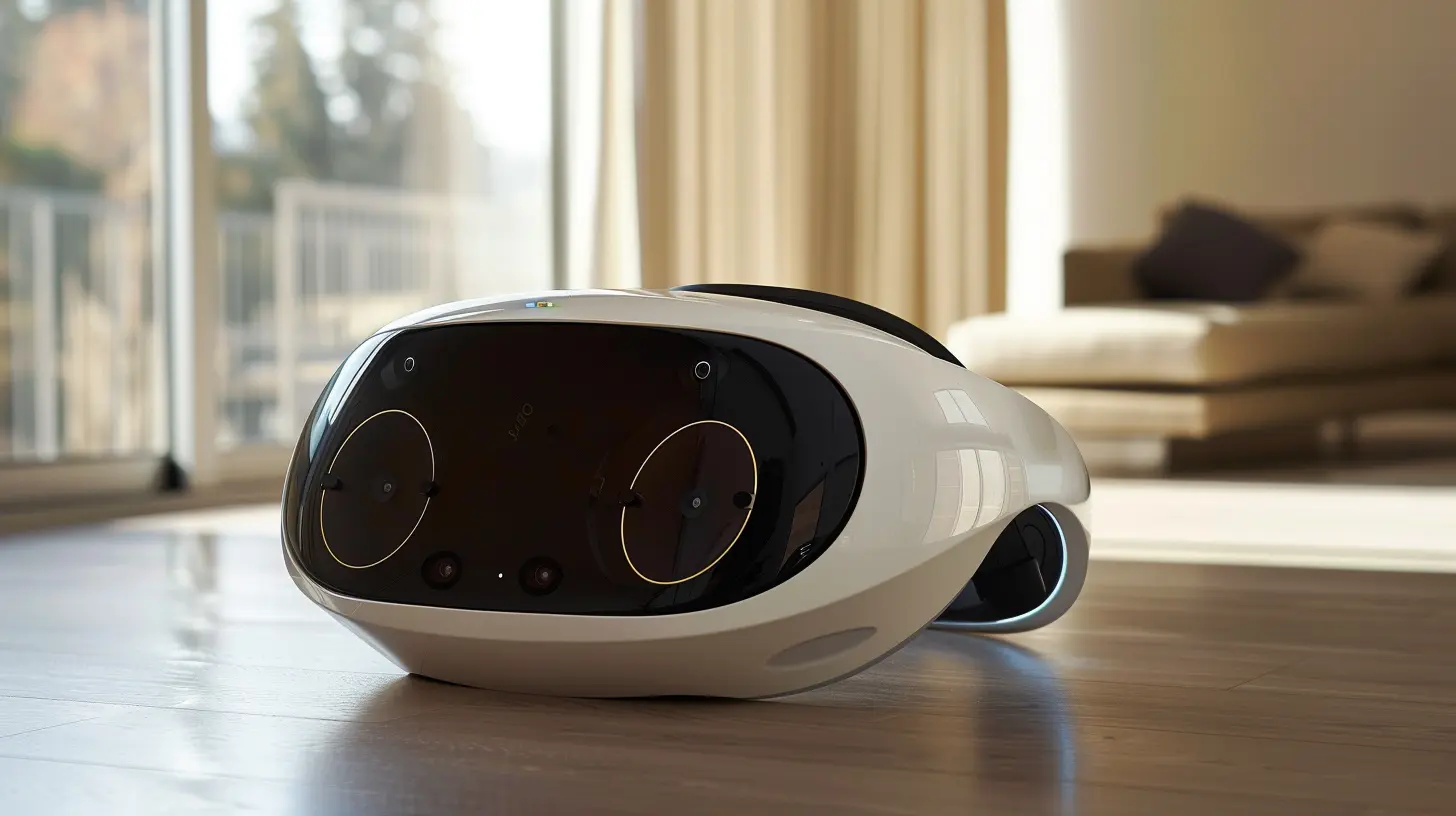
Social and Collaborative VR
The next phase of VR isn't just about better tech; it's about better connections. The future will see virtual environments where meeting friends, coworkers, or even strangers feels surprisingly human.Picture this: walking into a virtual boardroom and seeing your colleagues’ avatars smile, nod, and gesture like in real life. Remote work? More like teleportation.
And in gaming? Multiplayer VR won’t just let you play together—it’ll feel like you’re really standing side by side.
The Metaverse: Still A Work In Progress
You can't talk about the next-gen of VR without touching on the Metaverse. While it's still early days, the concept is solid: interconnected virtual spaces where you can live, work, play, and shop.Future VR headsets will likely serve as primary gateways to the Metaverse. And with improvements in avatars, physics, and digital environments, these worlds will feel increasingly “real.”
But fair warning: hardware alone won’t make the Metaverse worthwhile. It’ll take great content and thoughtful design to keep people coming back.
VR for Everyone: Accessibility, Pricing & Mobile Integration
You might be wondering—will all this fancy tech make VR more expensive? Actually, not necessarily.As components become more efficient and manufacturing scales up, we expect prices to fall. At the same time, mid-tier devices will offer many of the premium features we’ve talked about.
And let’s not forget about accessibility. Player height adjustments, voice control, more inclusive avatar options, and customizable interfaces are making VR usable for a broader range of people.
Also, more seamless integration with smartphones and smartwatches is on the horizon. Syncing health data, showing notifications, or even taking a VR call without leaving your app? Totally doable.
Privacy and Safety: The Elephant in the Room
With eye tracking, motion sensors, and facial recognition, VR headsets will know more about you than your own mirror does. That’s exciting—but it also raises big privacy questions.Manufacturers will need to prioritize user security, offer transparent data policies, and give you control over what’s tracked and stored. Biometric data isn't something to play fast and loose with.
Add to that safety features like boundary warnings, guardian systems, and even real-time obstacle detection, and we’re looking at smarter, safer headsets for all.
What It All Means: The Future Is (Virtually) Here
So, what can we really expect from the next generation of VR headsets?- Visually stunning experiences with ultra-high resolution
- Natural, intuitive interactions through eye tracking and gesture control
- Comfortable, stylish designs you won’t mind wearing for hours
- Immersive haptics and full-body tracking that bring new levels of realism
- Smarter software powered by AI and seamless cloud processing
- A more connected, social, and interactive VR ecosystem
Whether you’re a gamer, a creator, a professional, or just someone curious about new tech—there’s a lot to look forward to.
VR isn’t some far-off dream anymore. With each new headset, we’re taking one step closer to fully blending the digital and physical worlds. And trust me, you’re going to want a front-row seat.
all images in this post were generated using AI tools
Category:
Tech InnovationsAuthor:

Adeline Taylor
Discussion
rate this article
2 comments
Zanya Gomez
While the advancements in VR headsets promise immersive experiences, the real challenge lies in accessibility and user comfort. Tech companies must prioritize these factors to ensure widespread adoption beyond niche markets.
August 13, 2026 at 11:54 AM
Lucas Collins
I'm excited about the advancements in VR headsets. Improved resolution and wireless capabilities will make experiences more immersive. Can't wait to see how this technology evolves in the coming years.
June 18, 2026 at 12:59 PM
Adeline Taylor
Thanks for sharing your excitement! The advancements in VR tech are definitely promising, and it's thrilling to think about the immersive experiences ahead.