Open-Ear vs. In-Ear: Finding Your Fit in 2027
13 October 2026
The earbud market has split into two philosophies, and the divide keeps widening. On one side sits the in-ear design that seals your ear canal, pioneered commercially by hearing aid manufacturers and refined over decades into the noise-cancelling buds that dominate flights and open-plan offices. On the other sits the open-ear category, which leaves the canal unobstructed and pipes sound toward the inner ear through bone conduction or directional air drivers.
By 2027, this is no longer a niche argument among audio enthusiasts. It is a decision millions of people make every time they buy a wearable. The problem is that most buying advice treats it as a simple preference question, like choosing between black and white. It is not. The right answer depends on anatomy, environment, hearing health, battery expectations, and what you actually do with the device for eight or ten hours a day.
This article breaks down the real engineering and human factors behind both categories, explains where each one genuinely wins, and helps you build a decision framework instead of a brand loyalty.
Why the Two Categories Exist at All
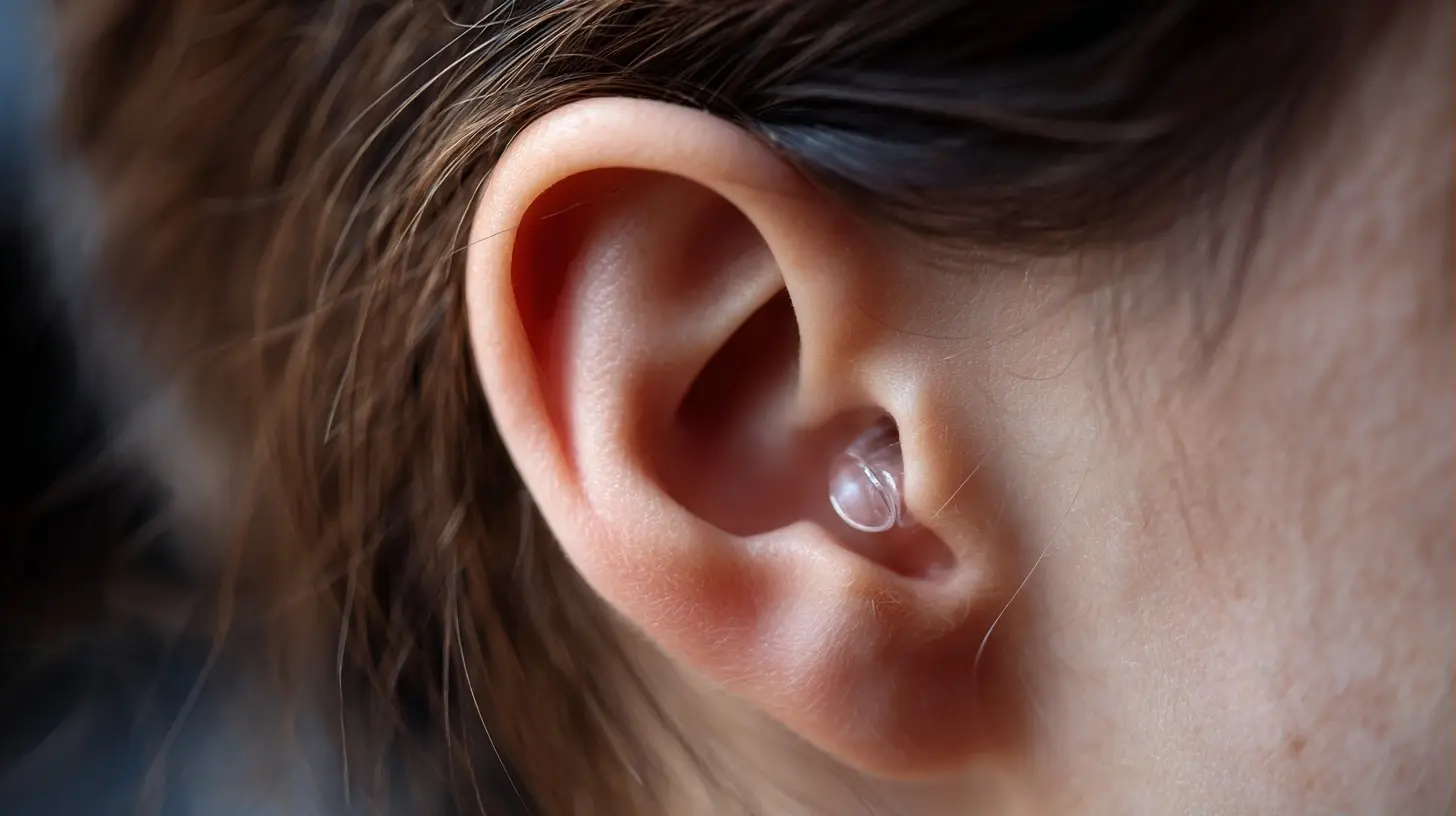
To understand the trade-offs, you have to understand what each design is trying to solve.In-ear headphones, whether they use silicone tips or foam, create a physical seal between the driver and your eardrum. That seal does three things at once. It blocks outside noise passively, it traps low frequencies so bass does not leak away, and it puts the driver very close to the eardrum, which means less power is needed for a given loudness. This is why a tiny in-ear bud can produce deep, controlled bass that a much larger open speaker cannot match at the same volume.
Open-ear designs abandon the seal deliberately. They either vibrate the bones of your skull (bone conduction) or fire sound at your ear canal from a small speaker sitting just outside it (air conduction, sometimes called "open directional" or "off-ear"). The goal is not maximum fidelity. The goal is awareness. You hear your music and the world around you at the same time, without the pressure, occlusion, and hygiene issues that come with plugging your ears.
That single design choice cascades into every other difference: sound quality, battery life, fit, safety, and long-term comfort.

Sound Quality: Physics Does Not Negotiate
If pure audio fidelity is your priority, in-ear wins, and it is not close.A proper seal lets engineers tune the frequency response with precision. Low frequencies, roughly below 200 Hz, need either a sealed volume of air or a lot of driver excursion to reproduce cleanly. In-ear buds get the sealed volume for free. Open-ear designs have to fight physics. Bone conduction in particular struggles with bass because bone transmits high frequencies more efficiently than low ones, which is why early bone conduction products sounded thin and tinny. Modern units have improved dramatically through better transducers and DSP correction, but they still cannot produce the chest-thumping sub-bass of a well-sealed in-ear.
There is also the matter of detail and imaging. A sealed canal removes the variable of outside sound leaking in and masking quiet passages. In a noisy environment, an open-ear user effectively hears a remix of their music and the room. That is the point, but it is also a fidelity cost.
That said, "better sound" is not a single axis. Open-ear air conduction designs from the mid-2020s onward can sound surprisingly natural for vocals, podcasts, and acoustic music. The failure mode is bass-heavy genres and anything that relies on dynamic range. If you mostly listen to spoken word, the gap narrows a lot.
The practical rule: if you care about bass response, isolation, and critical listening, go in-ear. If you care about situational awareness and accept a narrower sonic range, open-ear is viable.

The Safety and Awareness Argument
This is where open-ear earns its place, and it is not marketing fluff.Cyclists, runners, and urban pedestrians face a real risk when they block their hearing. Several cities and sporting bodies have debated or implemented restrictions on wearing headphones during certain activities, and the reasoning is sound: a sealed earbud with active noise cancellation can reduce a car horn or a braking bike to near silence.
Open-ear designs keep the ear canal open, so ambient sound enters naturally. You hear traffic, conversation, and warning signals while still hearing your audio. For outdoor exercise, this is a genuine safety feature, not a luxury.
But here is the nuance most articles skip: open-ear is not automatically safe. If you crank the volume to compensate for wind noise or a loud street, you can still mask important sounds. And bone conduction transmits vibration directly to the cochlea, bypassing the eardrum. Some audiologists have raised questions about whether long-term high-volume bone conduction carries risks that differ from air conduction, though the research is not settled. The cautious approach is the same for both: keep volume moderate and take breaks.
There is also a misconception that open-ear means "nothing enters your ears." Air conduction open-ear models still fire sound toward the canal. They just do not seal it. The difference between "open" and "sealed" is the seal, not the presence of sound.
Comfort, Fit, and Anatomy
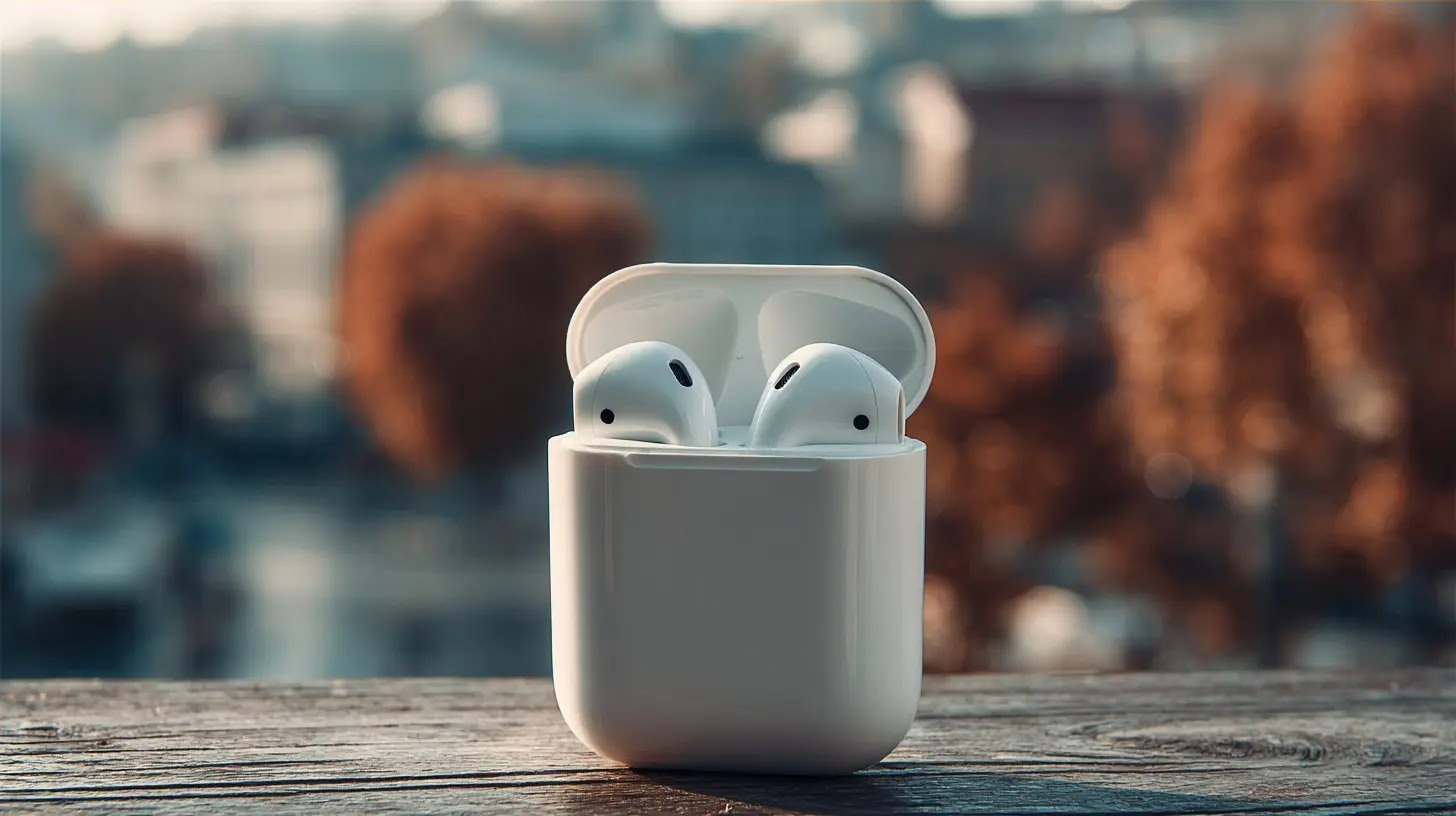
In-ear comfort is deeply personal because ear canals vary enormously in size and shape. A tip that fits one person perfectly can cause pressure, itching, or falling-out issues for another. This is why in-ear manufacturers ship multiple tip sizes and why foam tips, custom molds, and hybrid designs exist.Open-ear sidesteps the canal entirely. Bone conduction units hook over the cheekbone or sit near the temple. Air conduction units hang over the ear or clip to the ear. For people who cannot tolerate anything inside the canal, or who produce a lot of earwax, or who have had ear surgery, this is a major advantage.
The trade-off is stability. A sealed in-ear bud stays put because it is wedged in place. An open-ear unit relies on a hook or clip, and during vigorous movement it can shift. Fit quality varies more across head shapes, so trying before buying matters more in this category.
There is also the occlusion effect. When you seal your ear and then speak, walk, or chew, you hear your own internal sounds amplified, like footsteps booming in your head. Many people find this unbearable. Open-ear eliminates it. If you have ever hated the sound of your own breathing during a run, that is the occlusion effect, and open-ear is the cure.
Noise Cancellation and the Isolation Spectrum
Active noise cancellation (ANC) works best when the ear is sealed. The technology relies on generating an inverse sound wave to cancel incoming noise, and a seal keeps both the noise and the correction inside the canal. In-ear ANC can reduce low-frequency drone from engines and air conditioning by a large margin.Open-ear ANC is a fundamentally different problem. With no seal, there is nothing to contain the cancellation. Some open-ear models use microphones and processing to reduce specific noise, but the effect is modest compared to a sealed design. You should not buy open-ear expecting meaningful noise cancellation.
This creates a clean decision axis:
- Need to block the world out? In-ear with ANC.
- Need to stay connected to the world? Open-ear.
- Need both at different times? You probably need two devices, or an in-ear with a transparency mode that pipes ambient sound in. Transparency mode is the in-ear world's attempt to imitate open-ear awareness, and it works reasonably well, but it is electronic, adds latency, and can sound artificial.
Battery Life and Power Efficiency
Open-ear designs often last longer on a charge, and the reason is mechanical. Because the driver is not fighting a sealed volume and does not need to overcome outside noise, it can run at lower power. Bone conduction transducers are efficient at the frequencies they handle well. Many open-ear models advertise eight to twelve hours of continuous playback, and some stretch further.In-ear buds with ANC burn power on the noise-cancelling circuitry, which is why enabling ANC can cut battery life noticeably. The sealed design is more efficient at producing sound, but the added processing eats the advantage.
For all-day wearers, this matters. If you wear earbuds through a full workday, an open-ear pair that lasts ten hours is more practical than an in-ear pair that lasts five with ANC on. If you only use them for a commute, battery is a minor concern.
Microphone Quality and Calls
Call quality depends less on the ear design and more on microphone placement, beamforming, and wind handling. That said, the sealed versus open distinction affects one thing: how much of your own voice you hear. In-ear users often speak too loudly because the occlusion effect makes their voice sound muffled and loud inside their head, so they compensate. Open-ear users hear themselves naturally and tend to speak at normal volume.On the receiving end, the difference is usually small. A good open-ear unit with a boom mic or a well-placed beamforming array can sound as clear as an in-ear. In windy conditions, both struggle, and the winner is whichever has better wind-noise rejection, not whichever has the better seal.
Hygiene, Ear Health, and Long-Term Wear
Sealing the ear canal for hours has consequences. It traps moisture and heat, which can encourage bacterial or fungal growth if you do not clean your buds and your ears. It also pushes earwax deeper, which can cause impaction over time. People who wear in-ear buds for long stretches often develop irritation.Open-ear avoids most of this. Air circulates. Wax is not pushed inward. The trade-off is that open-ear units sit against skin and hair, so they collect sweat and oil on the outside, and bone conduction transducers can cause mild skin irritation in some users if the contact point is not cleaned.
For anyone prone to ear infections, or who wears earbuds for many hours daily, open-ear is often the healthier choice. This is a genuine quality-of-life factor that spec sheets never capture.
Latency, Gaming, and Critical Listening
If you use earbuds for gaming, video editing, or music production, latency and accuracy matter. In-ear models generally offer lower latency, especially wired or low-latency wireless codecs, because the signal path is simpler and the sealed design gives a predictable frequency response. Open-ear adds processing for spatial correction and often has higher latency, which can desync audio from video.For casual gaming and video, most people will not notice. For competitive gaming or audio work, in-ear, ideally wired, remains the safer choice. Bone conduction is a poor fit for anything requiring precise timing or tonal accuracy.
The 2027 Landscape: What Has Actually Changed
By 2027, several trends have matured.First, open-ear air conduction has largely overtaken bone conduction in the consumer segment for general use, because it delivers better sound quality while keeping the awareness benefit. Bone conduction remains relevant for swimming, since it works without anything in the canal and can be paired with earplugs for underwater use. That is a niche where bone conduction has no real competitor.
Second, hybrid designs have appeared. Some in-ear buds now include a "vent" or "open mode" that partially releases the seal, and some open-ear units include optional tips for occasional isolation. These hybrids try to blur the line, but they usually do one thing well and the other adequately. They are a compromise, not a replacement for two dedicated devices.
Third, on-device AI has improved real-time audio processing. Adaptive EQ, personalized hearing profiles, and smarter transparency modes are now common. This narrows the sound quality gap slightly, but it does not change the physics. Bass still needs a seal or a lot of excursion.
Fourth, health monitoring has entered the category. Some earbuds now track heart rate, temperature, and posture. In-ear placement near the canal gives better biometric signal quality for some metrics, while open-ear is better for continuous all-day wear. Expect this to influence buying decisions more each year.
Common Mistakes and Misconceptions
Mistake 1: Buying open-ear for noise cancellation. It does not work that way. If you need quiet, buy in-ear with ANC.Mistake 2: Assuming open-ear is always safer. Volume still matters. Loud audio through any transducer can damage hearing.
Mistake 3: Ignoring fit. The best-sounding earbud is useless if it falls out or hurts. Try before you commit, or buy from a retailer with a generous return window.
Mistake 4: Chasing specs over use case. A higher driver size or a bigger battery number does not mean the device fits your life. Match the design to your environment first.
Misconception: Bone conduction bypasses the eardrum, so it is automatically safer. It bypasses the eardrum, but it still stimulates the cochlea. The cochlea is what suffers from overexposure. The pathway changes; the risk does not disappear.
Misconception: Open-ear means poor sound. Early models earned that reputation. Modern air conduction open-ear units sound good for many genres. They just are not bass monsters.
How to Decide: A Practical Framework
Answer these questions honestly.1. Where will you wear them most? If it is a noisy commute, a plane, or a shared office, in-ear with ANC. If it is outdoors, a quiet home office, or a workplace where you need to hear colleagues, open-ear.
2. What is your primary content? Music with heavy bass and dynamic range favors in-ear. Podcasts, calls, and ambient listening favor open-ear.
3. How long do you wear them per session? All day favors open-ear for comfort and hygiene. Short sessions favor in-ear for fidelity.
4. Do you have ear canal sensitivity, wax issues, or a history of infections? Open-ear.
5. Do you need situational awareness for safety? Open-ear.
6. Do you need isolation for focus or sleep? In-ear, ideally with ANC.
7. What is your budget tolerance for two devices? If you can afford it, owning one of each is the honest answer for many people. They solve different problems.
If you must pick one, pick based on your dominant environment, not your aspirational one. Most people overestimate how much they will use critical listening features and underestimate how much they will value comfort and awareness.
Final Thoughts
The open-ear versus in-ear debate is not about which technology is superior. It is about which set of trade-offs matches your ears, your environment, and your habits. In-ear gives you isolation, bass, and precision at the cost of awareness, hygiene, and occlusion. Open-ear gives you awareness, comfort, and all-day wearability at the cost of bass, isolation, and critical fidelity.In 2027, both categories are mature enough that the choice is genuinely yours to make, not a limitation of the technology. The worst outcome is buying based on a spec sheet or a trend and then living with a device that fights your daily reality. Match the design to the job, and you will get far more value from a mid-range pair that fits your life than from a flagship that does not.
all images in this post were generated using AI tools
Category:
Wireless EarbudsAuthor:

Adeline Taylor