How Brain-Computer Interfaces Could Change the Way We Use Devices
2 June 2026
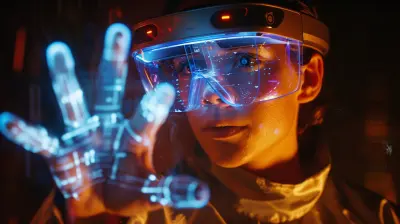
Ever wished you could just think about doing something on your phone or computer—and it just happens? No mouse, no tapping, no voice command. Just pure thought. Well, you're not too far off from that reality. It may sound like science fiction, but brain-computer interfaces (BCIs) are making it possible, and they’re about to flip everything we know about technology on its head.
So, get comfy and buckle in—because we're diving into the strangely fascinating, mind-bending world of BCIs, and how they could completely change the way we use our devices.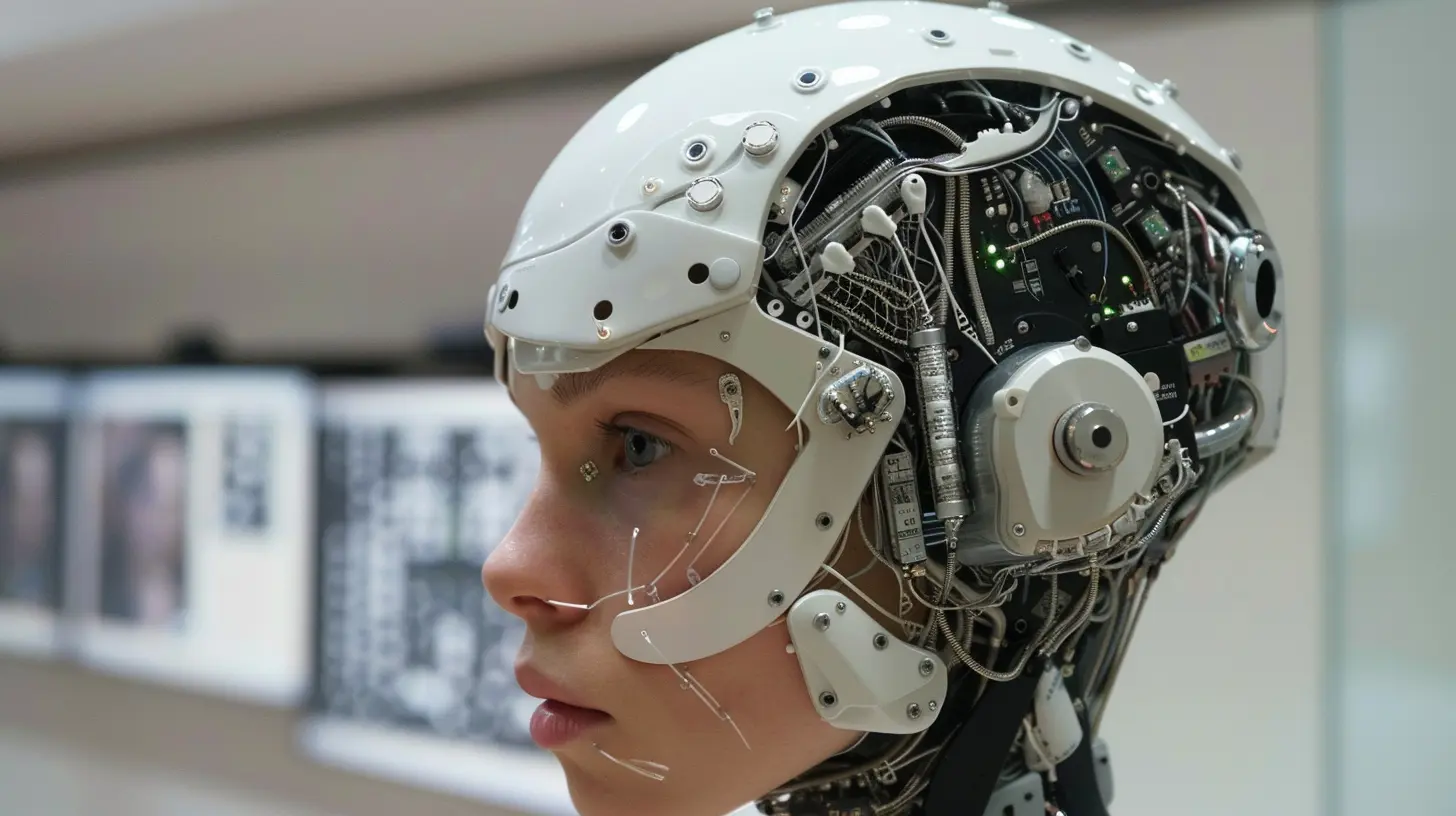
What Exactly Is a Brain-Computer Interface (BCI)?
Let’s start with the basics. A brain-computer interface is a direct communication link between your brain and a computer or another external device. Think of it like a digital translator that converts your brain’s electrical activity into commands a device can understand.Pretty wild, right?
Instead of using your hands to type or swipe, a BCI interprets your thoughts and translates them into action. This tech taps into your brain signals—like the ones your neurons fire all day long—and leverages them to control systems. Boom. Tech and biology, besties forever.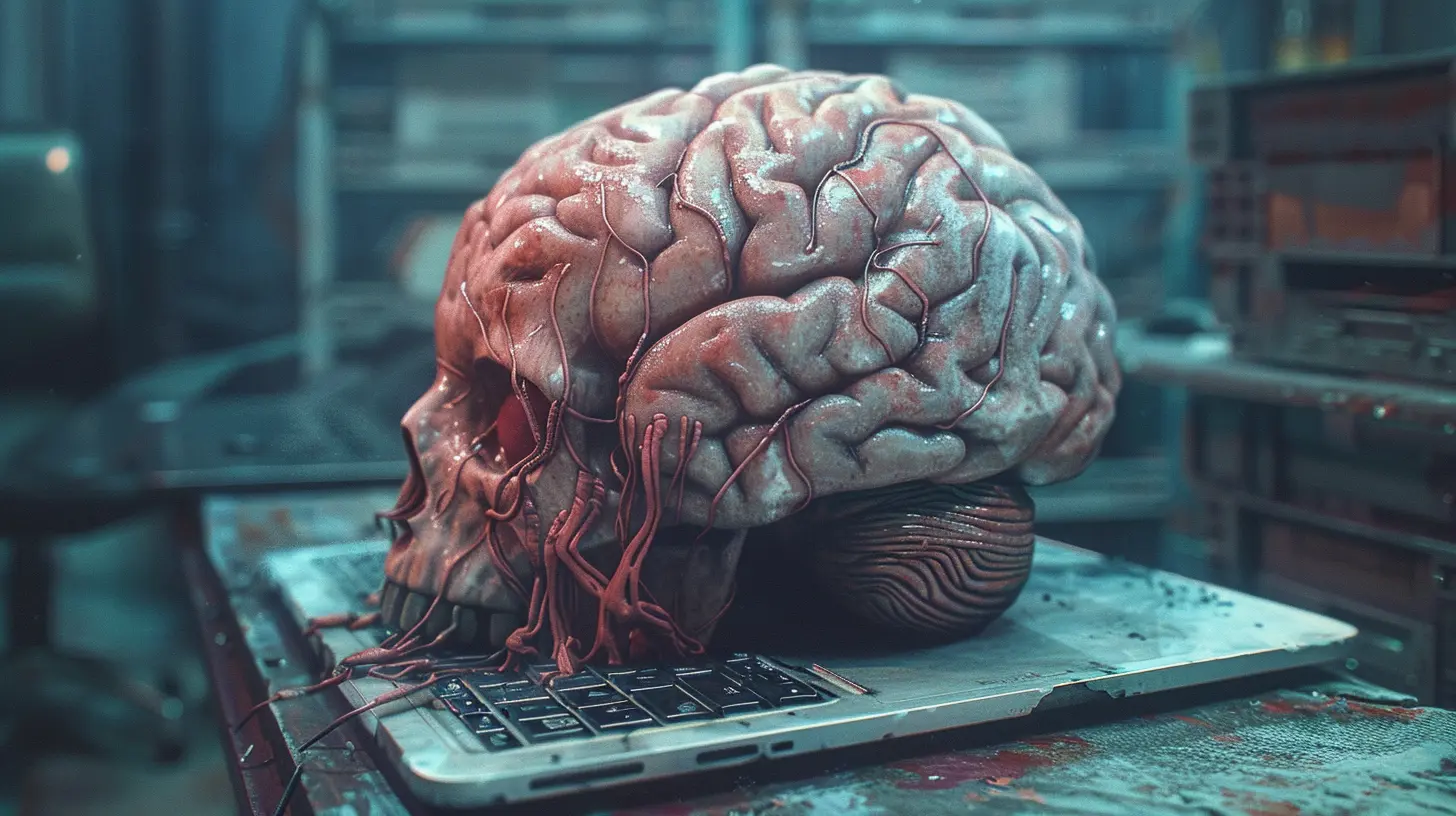
How Does It Even Work?
Great question! It’s not magic—it’s neuroscience and advanced computing working in harmony.Here’s the (very) stripped-down version:
1. Signal Collection: Special sensors are either placed on your head (non-invasive) or implanted into your brain (invasive). These sensors pick up on the electrical signals your neurons throw around when you think or feel something.
2. Signal Processing: Those raw brainwaves get fed into a computer program that sorts through the noise and finds the actual patterns or “commands” you're generating.
3. Action Execution: The computer or device decodes the intention behind those signals and triggers an action—like clicking a mouse, typing a sentence, or even moving a robotic arm.
It's like your brain is texting the device directly—no fingers needed.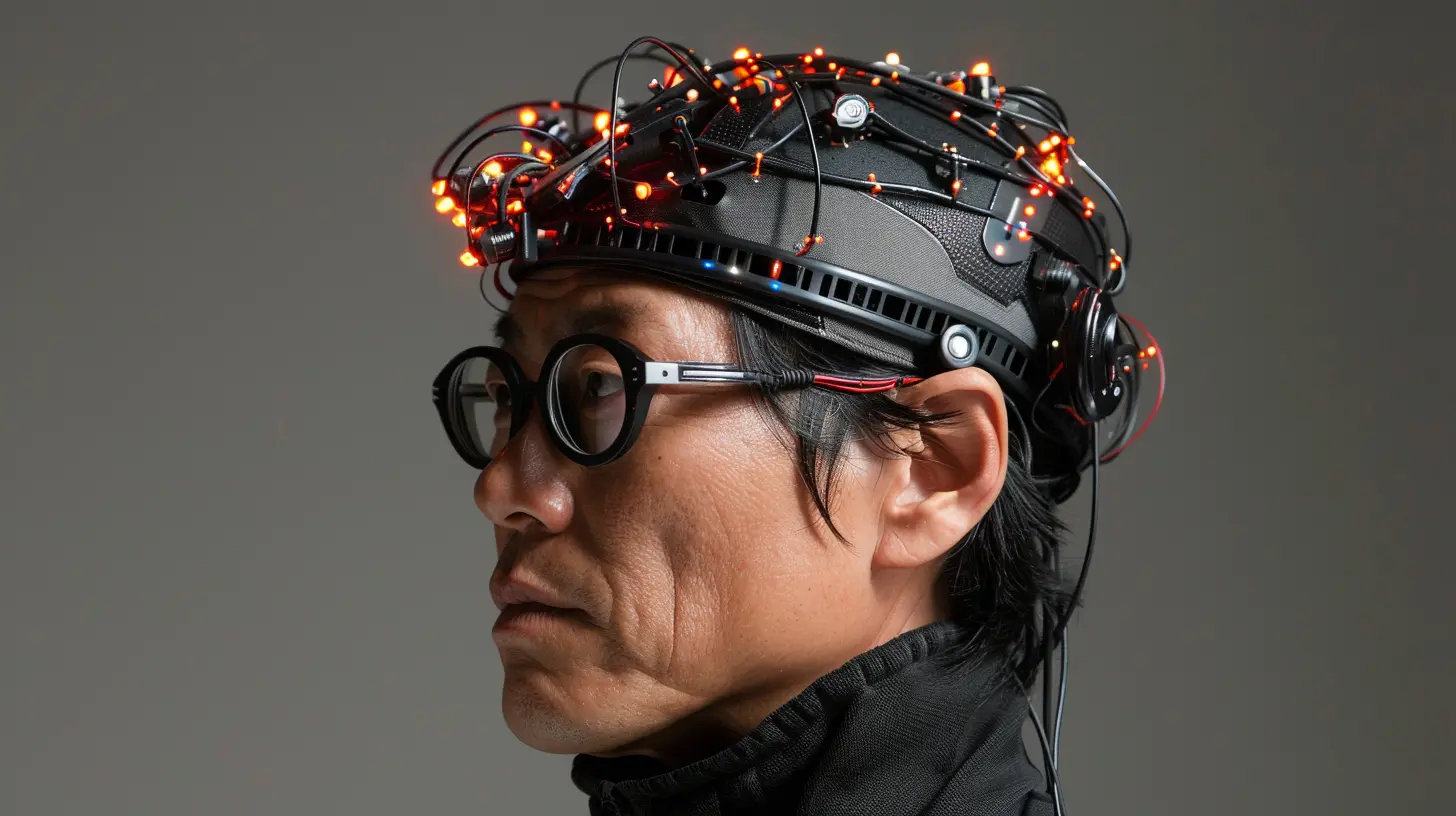
Why Should You Care?
Well, beyond the sheer cool factor of mind-controlling your laptop, BCIs are on track to revolutionize how we live, work, and play. This tech isn’t just for people with medical conditions (although it's been absolutely life-changing for many).In the near future, brain-computer interfaces could become part of everyday life for everyone.
Let's break down the possibilities.
1. Next-Level Accessibility
Let’s start with what might be the most meaningful application of BCIs: helping people regain control of their lives.People with conditions like ALS, spinal cord injuries, or paralysis often lose the ability to communicate or interact with devices the standard way. BCIs offer them an amazing alternative. A person who can’t move their hands can still “type” by thinking. Someone who can't speak can form sentences with just brain signals and have them spoken out loud through a computer.
It's not just empathy-inducing—it’s empowering. And it’s already happening.
2. Hands-Free Everything
Now imagine a world where you don’t need to lift a finger to control your devices.Want to change the song? Just think it. Want to send that emoji to your friend? Picture it in your head. Want to scroll through social media? Your thoughts are the new touchscreen.
It sounds lazy, sure—but more importantly, it’s efficient. We're talking about using your brain as a remote control for your digital world. Smartphones, smart homes, cars, computers—you name it.
Suddenly, the idea of multitasking gets a massive upgrade. Cooking while changing the music, driving while answering a message (without touching your phone), or gaming without a controller? Yes, yes, and yes.
3. A Whole New Gaming Experience
Gamers, get ready to drool.Video games already feel pretty immersive, but imagine playing a game where your character moves the moment you think about it. No lag. No buttons. Just pure mental connection.
It’s not just about control, either—it’s about immersion. BCIs could one day let games tap into your emotional state. Are you scared? Excited? Bored? The game could adjust itself in real-time to respond to your mental and emotional cues.
Now that’s what I call next-gen gaming.
4. Redefining Communication
Let’s be real—texting can be annoying. You either type at lightning speed and get typos galore or you peck at the keyboard and take forever.But what if you could just think the sentence and it appears?
BCIs could make telepathic texting a thing. Well, maybe not actual telepathy, but close enough. Instead of speech-to-text, you’d have thought-to-text.
This could change how we communicate on every platform: social media, Slack at work, messaging apps—maybe even dating apps where your brain composes the perfect pickup line before your fingers fumble it.
5. Pushing Creativity to New Limits
Artists, designers, musicians—listen up.With brain-computer interfaces, creative expression could evolve in ways we haven’t even imagined yet. Imagine composing a song using only your thoughts, or drawing a digital painting just by visualizing it in your mind.
You no longer have to translate your ideas through your hands or voice. The bridge between imagination and creation could shrink down to zero. Now that is creative freedom.
6. Productivity on Steroids
Let’s talk about work. You're in the zone, cranking out ideas, but your typing can’t keep up. BCIs could boost productivity like never before by capturing your thoughts instantly and turning them into structured notes, emails, or presentations.Think faster, work smarter, and never let a fleeting idea escape again.
Imagine having a virtual assistant that not only listens to your commands but also anticipates your needs based on your mental focus or intent. Now we’re cooking with gas!
7. Neural Data = Super Personalization
Have you noticed how Netflix recommends shows or how Spotify guesses your vibe? Now, toss your brain waves into that equation.BCIs could use your real-time emotions and preferences to fine-tune the tech around you. Feeling anxious? Your playlist changes. Having trouble focusing? Your lighting and notifications adjust to minimize distractions.
Tech becomes more than smart—it becomes emotionally aware.
Sounds slightly creepy? Maybe. But also kinda awesome.
Real Challenges We Can’t Ignore
Okay, let’s hit the brakes for a second.As dreamy as this all sounds, BCIs aren’t without their fair share of hurdles. We're talking about:
- Privacy concerns: Your brain data is you. If companies get access to your neural signals, where do we draw the line?
- Security issues: What if someone hacks into your brain-computer connection? Yeah, not fun.
- Ethical debates: Who owns your thoughts? What if BCIs change how you behave or think? Deep stuff.
- Affordability: Right now, most of this tech is way too expensive for everyday users. That needs to change before it goes mainstream.
So while we’re headed toward a mind-blowing future, we’ve got to tread carefully. Regulation, ethics, and security need to evolve with the technology.
Are BCIs the Future of Human-Tech Interaction?
Honestly? Most signs point to yes.The gap between humans and machines is closing fast. We started with physical buttons, moved to touchscreens, then voice commands, and now—mind control. Each step has brought us closer to making tech feel more natural to use.
BCIs are the next logical, if slightly terrifying, leap forward.
Big names like Elon Musk’s Neuralink, Facebook’s (Meta’s) mind-reading project, and academic institutions worldwide are pouring billions into this space. This isn’t a passing trend—it’s a full-on movement.
So When Can We Expect This?
Some forms of BCI are already in use, especially in medical settings, but for the everyday user? Give it a few years (or a decade or two, realistically).Non-invasive BCIs that let you play simple games or control basic devices already exist. But for full mind-integration? We still need better accuracy, better hardware, and—let's be honest—a better understanding of how our brains actually work.
But here’s the kicker: once the tech catches up with the dream, it won’t just be a cool gadget. It’ll be a game changer.
Wrapping It Up: The Brain Is the New Keyboard
BCIs are poised to be one of the most revolutionary technologies of our time. They're not just about controlling devices—they're about reimagining the relationship between humans and technology.Our hands and voices got us far, but our thoughts? That’s the next frontier.
So, the next time your app feels sluggish or your fingers cramp from typing too much, remember: one day, you might just be able to think your way around it.
And hey—your brain’s already doing most of the work anyway.
all images in this post were generated using AI tools
Category:
Tech InnovationsAuthor:

Adeline Taylor
Discussion
rate this article
2 comments
Gabrielle Smith
The potential of brain-computer interfaces is fascinating. They could revolutionize how we interact with technology, making it more intuitive and seamless. Imagine controlling devices with thought alone. While there are challenges ahead, the possibilities for enhancing communication and accessibility are truly exciting and could reshape our digital experiences.
August 4, 2026 at 11:29 AM
Adeline Taylor
Absolutely! The potential for brain-computer interfaces to enhance interaction and accessibility is revolutionary. It's thrilling to think about the possibilities they hold for transforming our daily tech experiences.
Dorothy McClintock
Great, now my thoughts need updates too!
June 9, 2026 at 2:28 AM
Adeline Taylor
I get that! Brain-computer interfaces are definitely pushing the boundaries of how we think about technology and communication. Exciting times ahead!