Wireless Earbuds for Fitness Enthusiasts in 2027
9 October 2026
The Sweat Problem Nobody Talks About Honestly
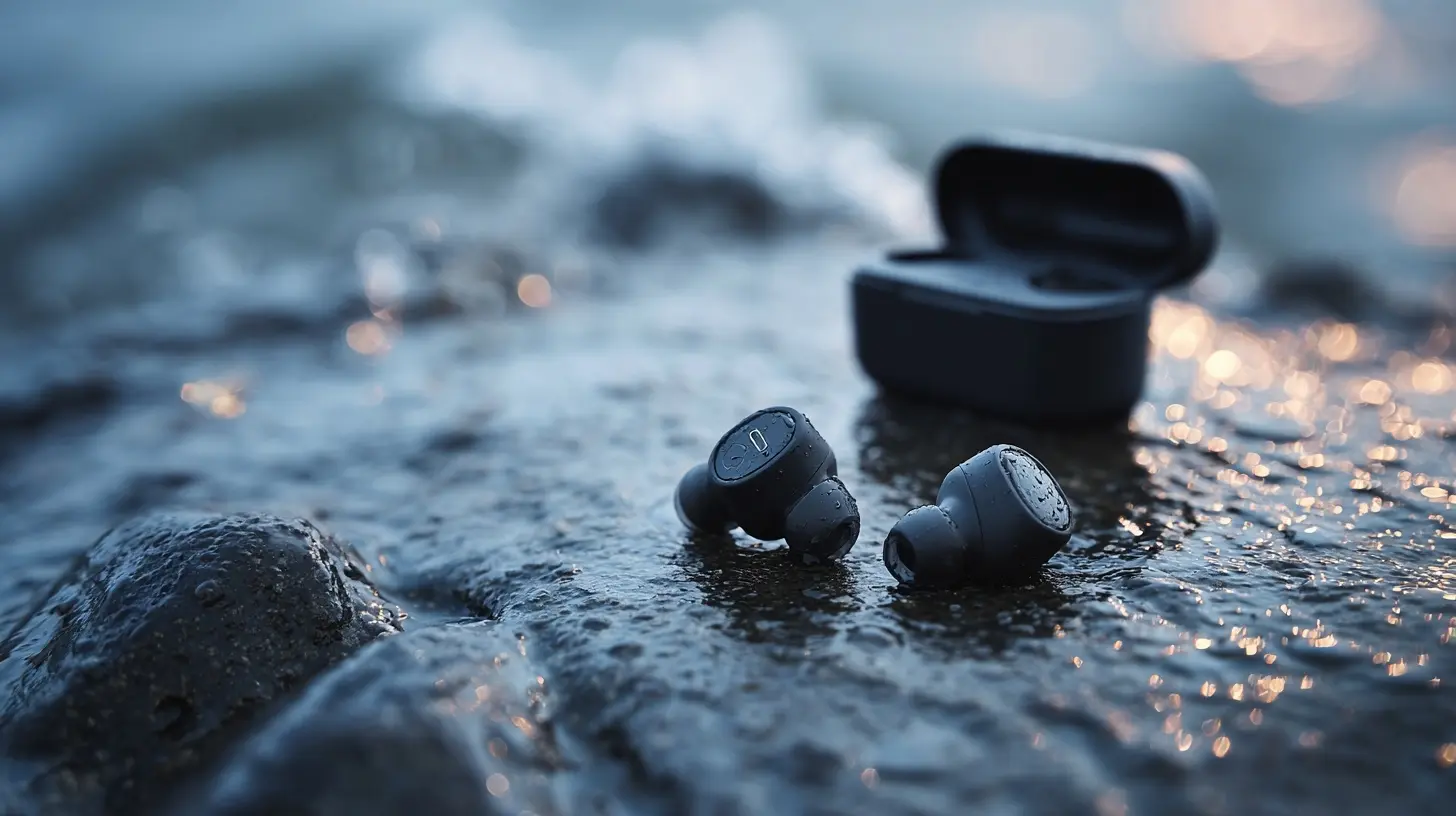
Ask anyone who has logged serious miles in cheap earbuds what killed them first. It usually was not the battery. It was moisture. Sweat gets into the nozzle, pools behind the mesh, and slowly turns your audio into a muffled mess. Then one day the left bud just stops charging.By 2027, this is still the single biggest reason fitness earbuds fail. Manufacturers have gotten better at sealing electronics, but physics has not changed. Salt water and lithium batteries remain enemies. If you understand that relationship, you will make smarter buying decisions than someone who just reads the spec sheet.
This guide is not a list of products. It is a framework for thinking about what actually matters when your ears are bouncing, your heart rate is climbing, and your playlist is the only thing keeping your legs moving.
Why Fit Beats Sound Quality for Training
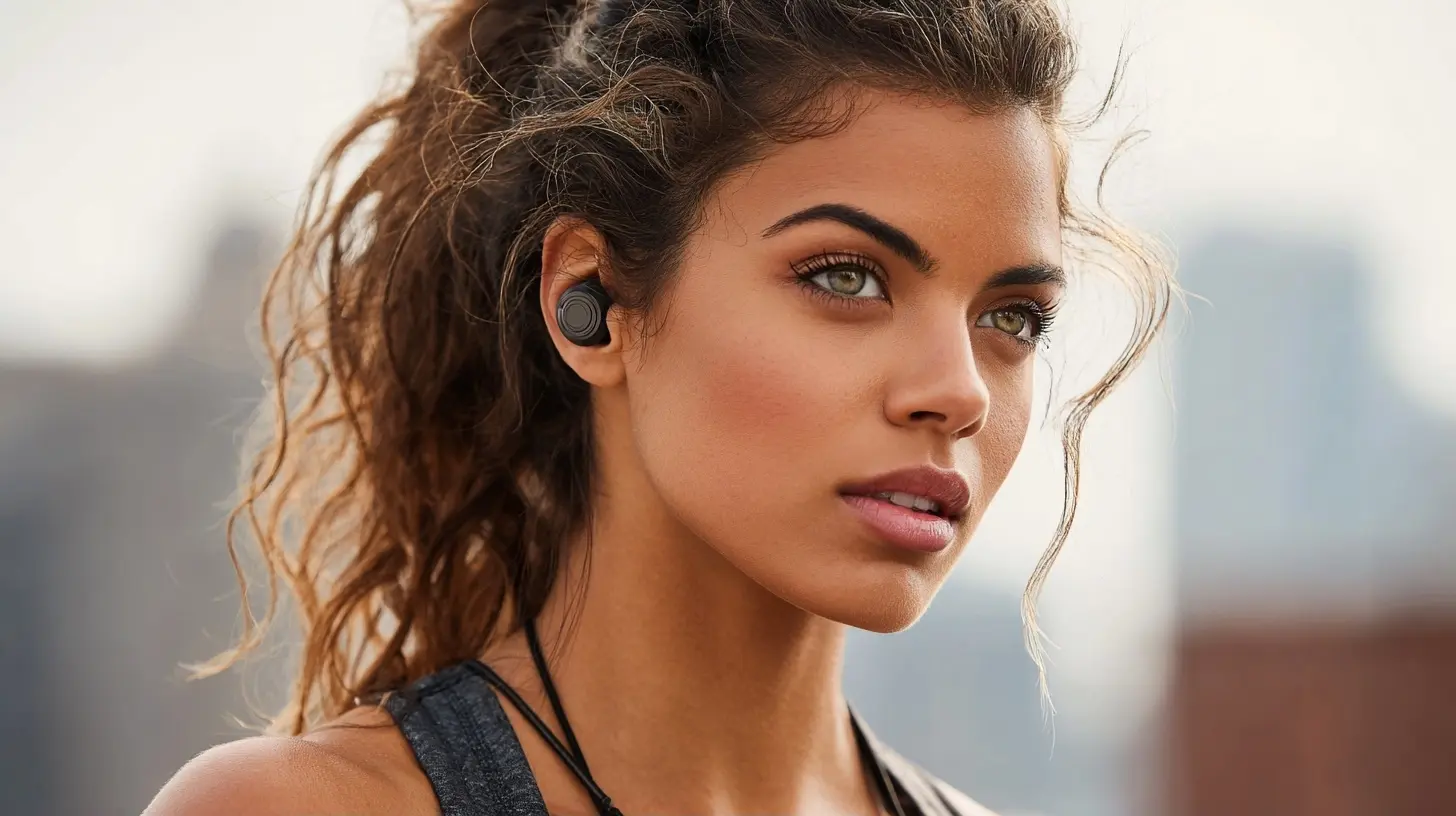
Here is a claim that upsets audiophiles: for running, cycling, and lifting, fit matters more than frequency response.Think about it. A pair of earbuds with perfect tuning that keeps slipping out is useless. You spend the whole session pushing them back in. Meanwhile, a pair with average sound that locks into your ear canal like it was molded there lets you forget the hardware entirely.
Fit determines three things at once:
- Stability. Will the bud stay put during a sprint, a burpee, or a heavy squat?
- Passive isolation. A good seal blocks gym noise, which means you can listen at lower volumes and protect your hearing.
- Bass response. A sealed ear canal produces deeper low end without software tricks. Loose fit equals thin sound, no matter what the driver specs claim.
The Anatomy of a Secure Fit
Three design elements matter most.The wing or fin. This is a soft protrusion that tucks into the curve of your ear, called the concha. It stops the bud from rotating. Some brands build it into the bud body. Others use a removable silicone sleeve. Removable is more flexible because you can swap sizes, but integrated fins tend to be more stable because there is no seam to shift.
The nozzle angle. Human ear canals do not point straight out. They angle forward and slightly up. A nozzle that matches this geometry seats deeper with less pressure. This is why two buds with identical tips can feel completely different.
The tip material. Silicone is the default. It grips well when dry but can get slippery once sweat builds up. Foam tips expand to fill the canal and hold better under moisture, but they wear out faster and mute high frequencies. Some 2027 models use hybrid tips with a silicone core and a foam outer layer, which is a reasonable compromise.
When Custom Molds Make Sense
Custom-molded earbuds, made from an impression of your ear, offer the best fit money can buy. They also cost several hundred dollars and take weeks to produce. For most people, they are overkill. But if you have unusually shaped canals, wear hearing aids, or train six days a week, the investment can pay off because you stop buying replacements every year.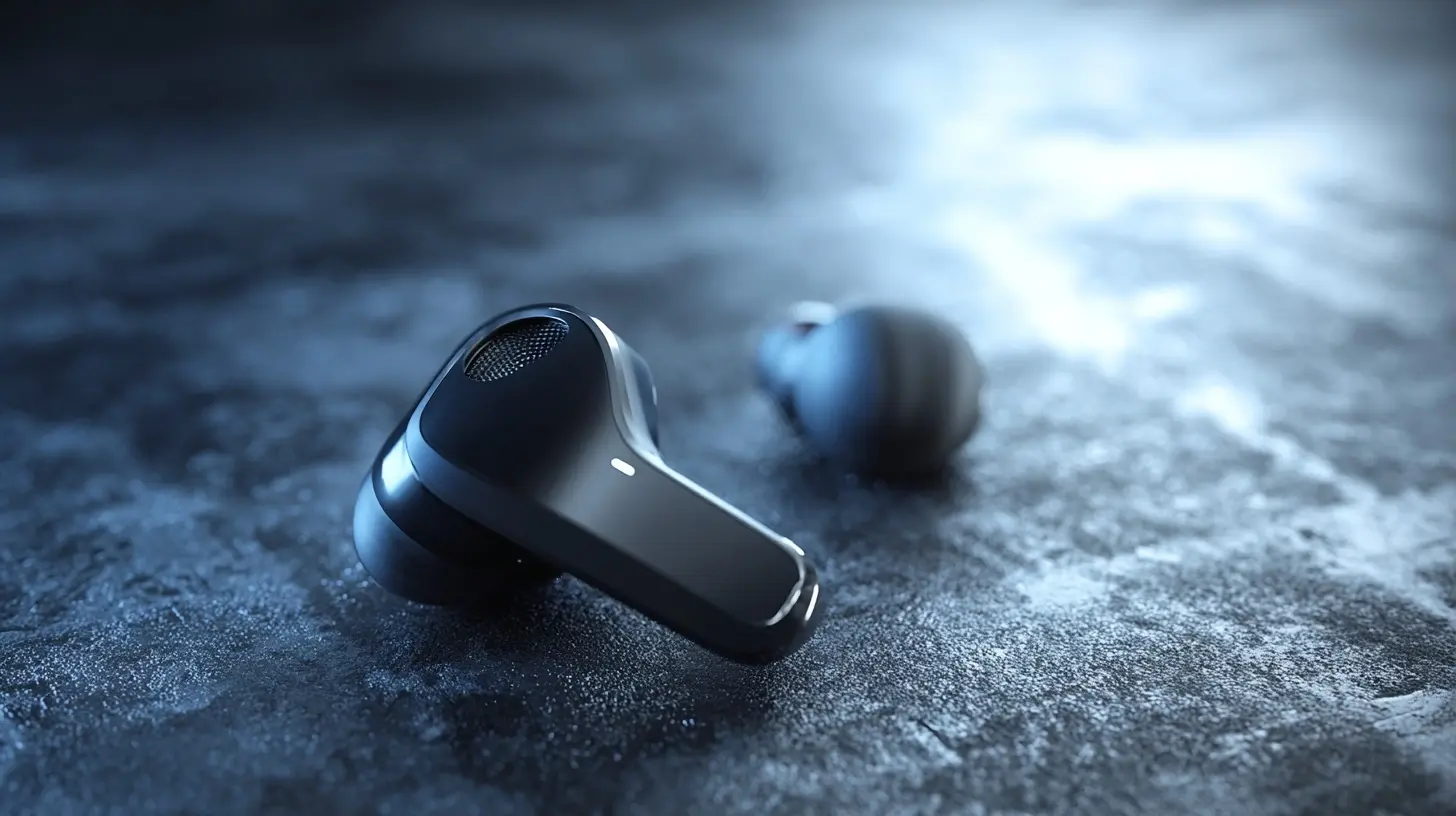
Sweat and Water Ratings: What IPX Actually Means
You have seen IPX4, IPX7, IP68. These codes are not marketing fluff. They come from a real standard called IEC 60529, and understanding them prevents expensive mistakes.The "IP" stands for Ingress Protection. The first digit rates solids like dust. The second rates liquids. When you see "IPX," the X means the solid rating was not tested. That is common for earbuds.
Here is the practical translation:
- IPX4. Resists splashing water from any direction. Fine for light sweat and rain. Not fine for submersion.
- IPX5. Handles water jets. Better for heavy sweating.
- IPX7. Survives immersion in one meter of water for 30 minutes. This is the sweet spot for serious fitness use.
- IPX8. Survives deeper or longer immersion, defined by the manufacturer.
The Rating Trap
A high IP rating does not mean the bud will last forever in sweat. Ratings test fresh water, not salt water. Your sweat contains salts and oils that corrode charging contacts over time. This is why a bud rated IPX7 can still die after eight months of daily training.The lesson: treat the IP rating as a minimum bar, not a guarantee. Rinse and dry your buds after heavy sessions. Wipe the charging pins. Store them with the case open overnight once a week so moisture can escape.
Sweatproof Versus Waterproof
These words get used interchangeably, but they are not the same. Sweatproof usually means the product can handle perspiration without immediate failure. Waterproof implies full protection against water ingress. No earbud is truly waterproof in the sense that a dive watch is, because the charging case is almost never sealed to the same standard as the buds.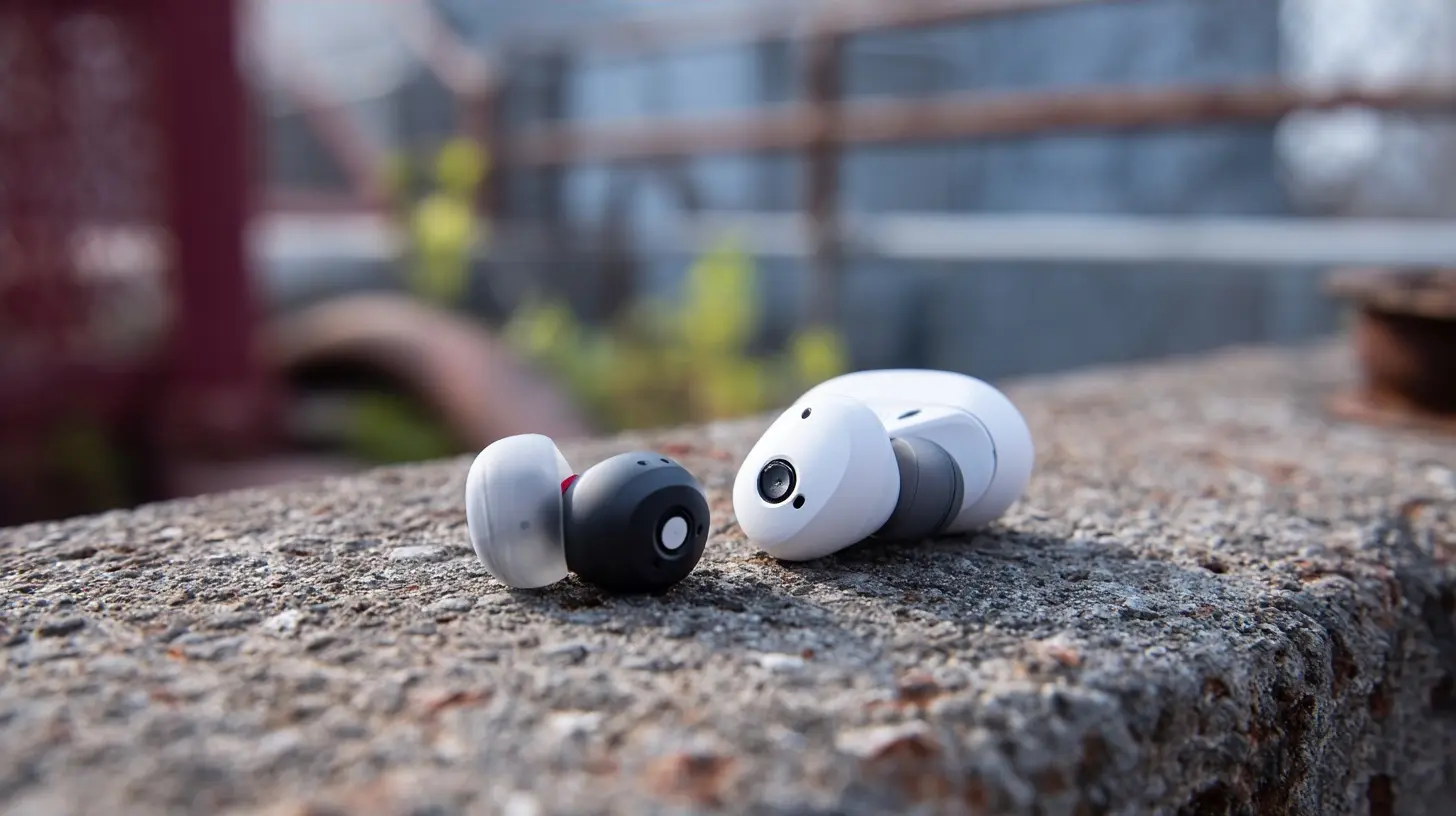
Battery Life in the Real World
Manufacturers love to quote big numbers. "10 hours per bud, 40 with the case." Those figures come from testing at moderate volume with features like active noise cancellation turned off.Real training looks different. You might run for 90 minutes with ANC on, then leave the buds in the case for three days. Here is how to think about battery.
Single-Charge Endurance
For most gym sessions, 5 to 6 hours per charge is plenty. For marathon training or long rides, you want 8 hours or more. Anything above 10 hours per bud usually means a larger housing, which can hurt fit.Case Capacity
The case matters more than people expect. A case that holds three extra charges means you can go a week without plugging in. A case that holds one extra charge means you are charging every other day. Consider your routine. If you travel or train twice daily, case capacity becomes a priority.Degradation Over Time
Lithium batteries lose capacity with every cycle. After two years of daily use, expect 20 to 30 percent less runtime. This is normal and not a defect. Buying buds with replaceable batteries, which are rare but exist, extends the lifespan significantly.Fast Charging and Its Trade-offs
A five-minute charge that yields an hour of playback is genuinely useful. But frequent fast charging generates heat, and heat accelerates battery degradation. Use fast charging when you need it, not as your default.Active Noise Cancellation: Helpful or Dangerous Outdoors?
ANC has become standard. It works by sampling ambient sound with tiny microphones and playing an inverted wave to cancel it out. In a noisy gym, this lets you hear your music at lower volumes, which protects your hearing. That is a clear win.Outdoors, the calculus changes.
The Safety Argument Against ANC
Cyclists and runners who share roads with cars need situational awareness. Full ANC can mask an approaching vehicle, a cyclist's bell, or a dog's warning growl. Many 2027 models offer a transparency mode that pipes outside sound in through the microphones. Some also offer adaptive ANC that reduces cancellation when it detects wind or traffic noise.The Case for ANC in the Gym
In a gym with clanging weights and thumping bass from the group fitness room, ANC is a gift. It also helps on treadmills, where the motor drone can be relentless.My recommendation: use ANC indoors. Switch to transparency outdoors, or use bone conduction or open-ear designs if you train on roads regularly.
Open-Ear and Bone Conduction: The Awareness Alternative
A growing category in 2027 is open-ear audio. These designs sit outside the ear canal or rest on the cheekbone and deliver sound through air or vibration. Nothing blocks your ear.Who Benefits
- Road runners and cyclists who need to hear traffic- People who get ear infections from sealed buds
- Anyone who finds in-ear pressure uncomfortable
The Trade-offs
- Bass is weak because there is no sealed chamber- Volume must be higher to compete with ambient noise, which can be hard on hearing over time
- Fit depends on a headband or ear hook, which some find fussy
Bone conduction in particular has improved a lot. The vibration quality is better, and leakage has been reduced. But it still cannot match the immersion of a good sealed bud. Choose based on your environment, not on hype.
Codecs, Latency, and Why They Matter for Training
Bluetooth codecs determine how audio is compressed and transmitted. The common ones are SBC, AAC, aptX, and LDAC. For fitness, the priority is not audiophile fidelity. It is latency and connection stability.Latency
Latency is the delay between the video or audio source and what you hear. For music, it barely matters. For workout videos, it matters a lot. If you follow a guided cycling class on a screen, a 200-millisecond delay makes the instructor's cues feel off.Look for low-latency modes, sometimes called game mode. They typically drop to under 100 milliseconds, which is acceptable for most training content.
Connection Stability
Dropped connections mid-run are infuriating. Bluetooth 5.3 and later versions handle interference better, especially in crowded gyms where dozens of devices compete for the same spectrum. If you train in a busy environment, prioritize newer Bluetooth versions.Multipoint Pairing
This lets you connect to a phone and a smartwatch or laptop at the same time. It is genuinely useful if you take calls during workouts or switch between devices. Not essential, but nice.
Touch Controls Versus Physical Buttons
Touch controls look sleek. They also misfire. A brush of your hand against your ear during a set can pause your music or trigger your voice assistant.Physical buttons are less elegant but far more reliable, especially when your fingers are sweaty or you are wearing gloves. Some 2027 models use a hybrid approach with a pressure-sensitive stem that requires a deliberate squeeze. That is a good middle ground.
Consider what you do most. If you adjust volume constantly, buttons win. If you mostly set it and forget it, touch is fine.
Earwax, Hygiene, and Longevity
This is unglamorous but important. Earwax clogs nozzles, muffles sound, and creates a breeding ground for bacteria. Over time, it can also damage the driver.Cleaning Routine
- Wipe buds with a dry cloth after every session- Remove tips weekly and rinse them with warm water, then dry completely
- Use a soft brush or a wooden toothpick to clear wax from the nozzle
- Never use sharp metal objects, which can puncture the mesh
When to Replace Tips
Silicone tips last a few months with regular use. Foam tips last weeks. If a tip no longer seals properly or looks stretched, replace it. Tips are cheap. Damaged ears are not.
Common Mistakes Fitness Enthusiasts Make
Buying for Sound Alone
A beautiful sounding bud that falls out on the treadmill is a bad fitness bud. Weight the fit and durability categories heavily.Ignoring the Case
The case is part of the product. A bulky case that does not fit in your pocket or gym bag gets left behind. A case with weak hinges breaks. Check the case as carefully as the buds.Overlooking the Return Window
Fit is personal. No review can tell you whether a bud will stay in your ear. Buy from a retailer with a generous return policy and test them during real workouts, not just in the store.Assuming More Features Means Better
ANC, spatial audio, heart rate sensors, voice assistants. Every feature adds weight, cost, and another thing that can break. Decide which three features matter most and ignore the rest.Neglecting Hearing Health
Loud music through sealed buds for hours damages hearing permanently. Use volume limits. Take breaks. If your ears ring after a session, you were too loud.How to Choose: A Practical Framework
Work through these questions in order.1. Where do you train? Indoors only suggests sealed buds with ANC. Outdoors on roads suggests open-ear or transparency mode.
2. How long are your sessions? Under an hour means battery is not a concern. Over two hours means you need endurance.
3. How much do you sweat? Heavy sweaters need IPX7 and a cleaning routine.
4. Do you take calls? If yes, microphone quality and multipoint matter.
5. What is your budget? Set it before you shop. Feature creep is real.
Once you have answers, you can filter the market quickly instead of drowning in spec sheets.
What to Expect in 2027 and Beyond
A few trends are worth watching.Better sweat resistance through nano-coating. Internal components are being coated at the molecular level to repel moisture. This extends lifespan without adding bulk.
Health sensing. Heart rate and temperature sensors in earbuds are improving. Accuracy still lags behind chest straps and wrist devices for intense intervals, but the gap is closing.
Adaptive audio. Buds that automatically switch between ANC and transparency based on your environment and movement. Useful, but still imperfect in detecting context.
Longer warranties on batteries. Some brands are starting to guarantee capacity retention over time. This is a meaningful shift for consumers.
Final Thoughts
The best fitness earbuds in 2027 are not the ones with the longest feature list. They are the ones that disappear into your routine. You put them in, you train, you take them out, and you never think about them. That kind of invisibility comes from a secure fit, honest durability, and controls that work when your hands are wet.Buy for your environment. Test during real workouts. Clean them regularly. Replace the tips. Do those things and almost any well-made pair will serve you for years.
Your ears will thank you. Your playlist will too.
all images in this post were generated using AI tools
Category:
Wireless EarbudsAuthor:

Adeline Taylor