The Unpredictable March of Progress: What History Reveals About AI's Economic Impact
March 1, 2026 - 19:36
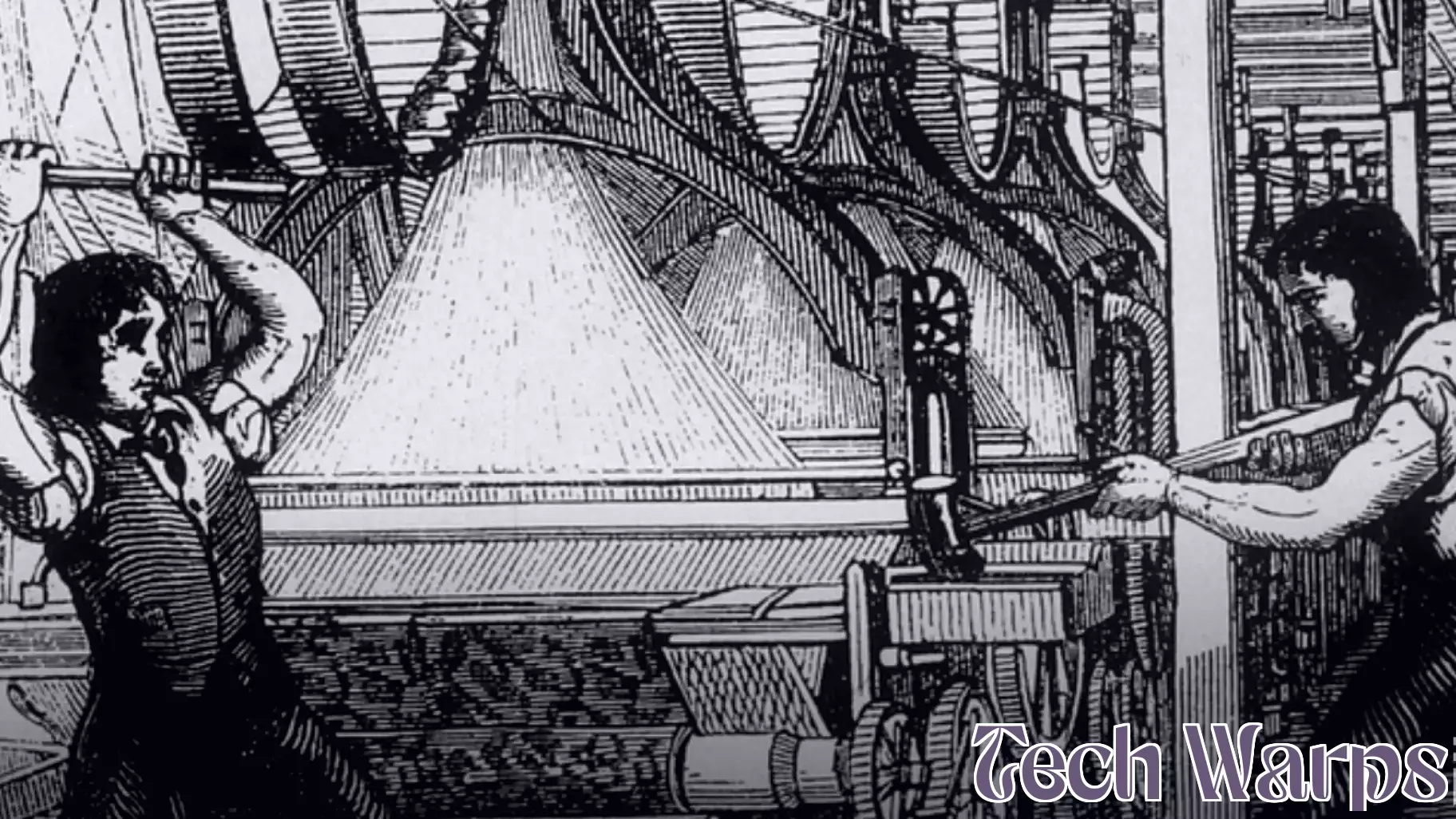
The rapid ascent of artificial intelligence has ignited a fierce debate about its ultimate effect on jobs, growth, and societal structure. To navigate this uncertainty, economists and historians are looking to the past, examining previous waves of technological change for clues. While history offers essential context, it also delivers a sobering reminder: the economic journey of transformative inventions is rarely smooth or predictable.
Historical models, like those examining the Industrial Revolution or the rise of computers, show a consistent long-term pattern of increased productivity and new job creation. However, they equally highlight painful, disruptive transition periods marked by worker displacement, wage stagnation, and social unrest. The mechanization of weaving didn't just change factories; it unraveled communities. This suggests that AI's economic benefits, though likely substantial in the aggregate, will not be automatic or evenly distributed.
Crucially, history underscores what economic models cannot capture. While models can project productivity gains, they struggle to quantify human anxiety, political backlash, or the time required for new institutions and skills to develop. The critical lesson from the past is that technology itself does not dictate the outcome; the accompanying policies, educational reforms, and social support systems do. The economic story of AI will be written not just by its developers, but by our collective choices in managing its integration into the fabric of daily life and work. The challenge lies in shortening the painful transition and ensuring the dividends of innovation are broadly shared.
MORE NEWS
September 26, 2026 - 18:27
Massachusetts Backs Local Climate Tech With New FundingMassachusetts is putting money behind two local climate technology companies as federal support for renewable energy becomes less certain. The state has offered tax incentives to Florrent, a...

September 26, 2026 - 06:09
Disney (DIS) Names its First Technology Chief. Can AI Investment Deliver Returns?Disney has named Karandeep Anand, the outgoing chief executive of the generative AI chatbot service Character.AI, as its first chief technology officer. The appointment takes effect on October 2,...

September 25, 2026 - 20:24
MIT Program Connects Technical Students with Tulsa CommunitiesA university internship initiative is broadening how engineering and data science students understand the social impact of their work. The program places participants with tribal nations and local...
September 25, 2026 - 04:51
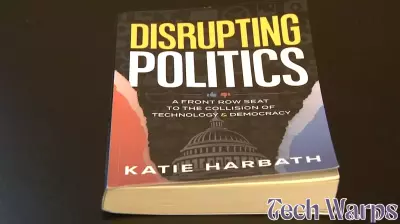
'Disrupting Politics' details Green Bay native's experiences in D.C. tech with eye on AIFor more than twenty years, a Green Bay native has held a front row seat in Washington D.C. at the intersection of technology and politics. Katie Harbath has spent 23 years working in the nation`s...