The Real Barriers to Defense Innovation Are Often Not Technical
September 14, 2026 - 23:38
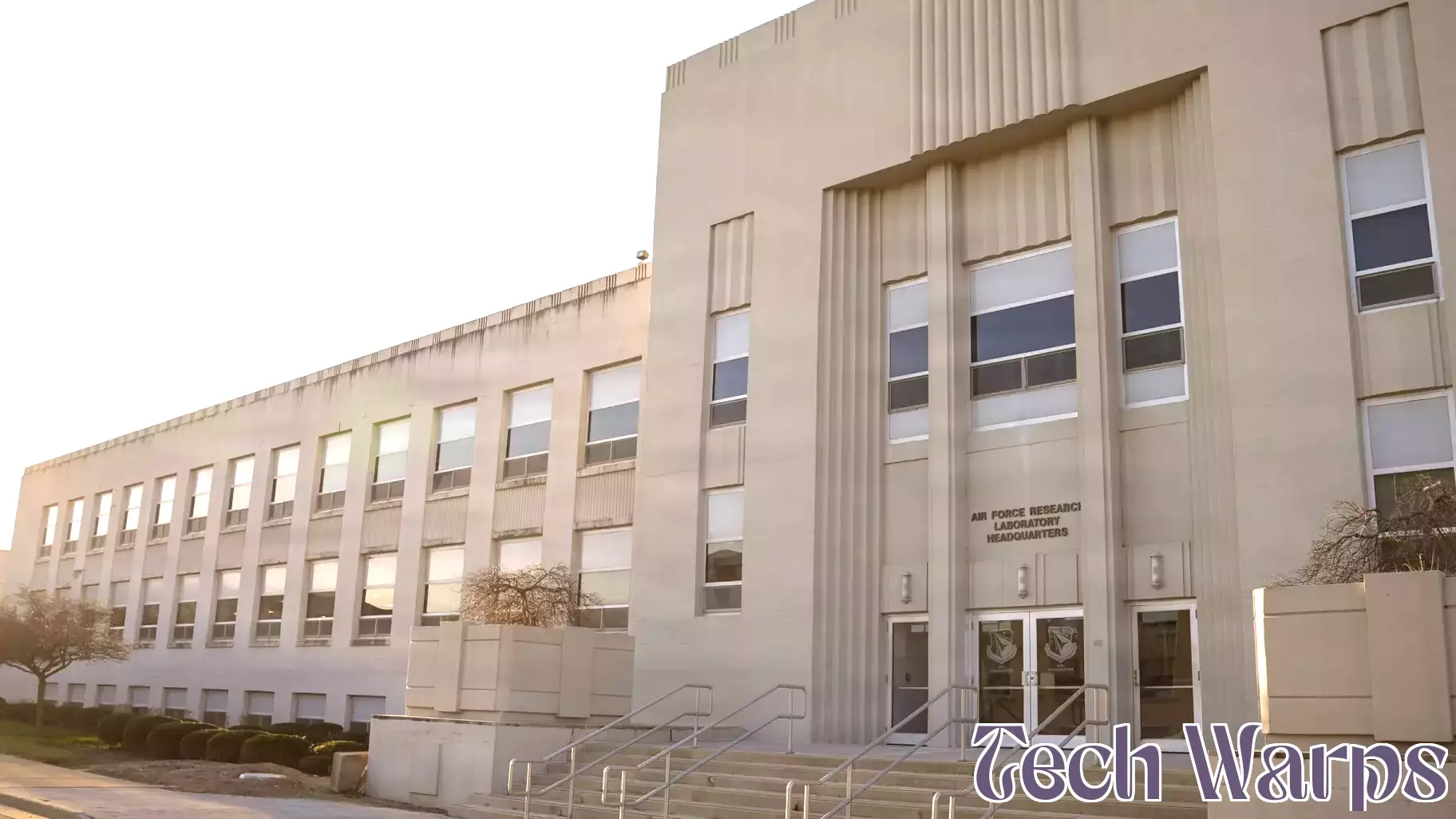
Modern militaries face a growing list of hard problems, from hypersonic flight to autonomous systems to secure communications. Yet according to Joseph Jewell, some of the toughest challenges confronting the Department of Defense have little to do with engineering or physics. They are institutional, cultural, and budgetary in nature.
Jewell argues that basic research needs to be a federal priority if the country hopes to keep feeding the pipeline of innovations that later can produce the SpaceXes of the world. That point matters because the technologies that eventually reshape defense often begin as open ended scientific inquiry with no immediate battlefield application. When funding for that early stage work becomes erratic, the consequences do not show up right away. They appear years later as a shortage of breakthroughs and a reliance on ideas developed elsewhere.
The current system tends to reward short term deliverables and incremental improvements. That approach can keep existing programs running, but it rarely creates the conditions for the kind of leaps that change entire industries. Jewell's warning is essentially about patience. If federal support for basic research keeps shrinking or gets treated as discretionary, the innovation cycle that produced many of today's most valuable companies and capabilities could slow down considerably.
For defense planners, the lesson is uncomfortable. Buying better tools is not enough if the underlying research base is neglected. The hardest tech challenges may indeed be non technical, because solving them requires a long term commitment that the budget process and political cycle often discourage.
MORE NEWS

November 11, 2026 - 13:52
Training for Tomorrow: Inside Pellissippi State's Surgical Technology ProgramPellissippi State Community College`s Surgical Technology students are immersed in a learning environment that closely resembles a real hospital setting. The college has established specialized...

November 10, 2026 - 18:35
Insights on FSD Vehicles and Quantum Computing at the Jenks CenterWalter Hubbard shared his experiences with fully self-driving (FSD) vehicles during a recent forum at the Jenks Center in Winchester. Hubbard, a seasoned expert in automotive technology, discussed...

November 10, 2026 - 03:37
Update on Collaboration Between Micromem Technologies and University of TorontoMicromem Technologies has successfully fulfilled its financial obligations outlined in the collaboration agreement with the University of Toronto and Defence Research and Development Canada. This...

November 9, 2026 - 06:05
Transforming Healthcare: The Impact of Constraint-Driven InnovationIn recent years, constraint-driven innovation has emerged as a powerful force in reshaping healthcare delivery worldwide. This approach focuses on overcoming limitations to create impactful medical...