Q&A: Changing our society through AI smart air conditioning technology
February 4, 2026 - 20:16
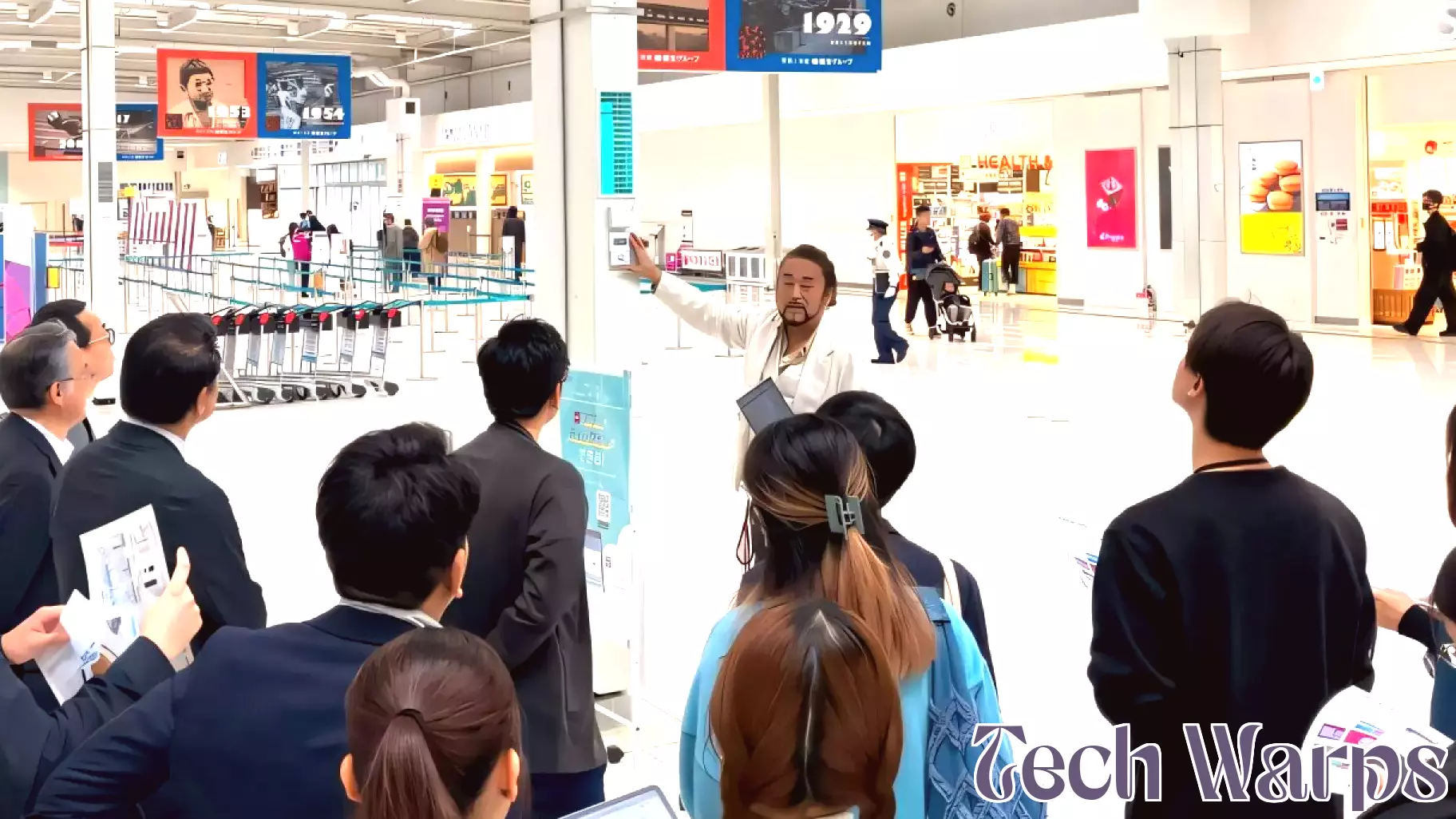
Empirical research is being carried out for revolutionary air conditioning technology that will contribute to solving pressing environmental issues. At the forefront of these endeavors is a project led by researcher Nagahiro Tsuyoshi, which aims to fundamentally reshape how we cool our buildings and, by extension, impact society.
The core innovation lies in integrating advanced artificial intelligence with next-generation climate control systems. This AI doesn't just react to temperature; it learns, predicts, and optimizes. By analyzing vast datasets—including weather forecasts, building occupancy patterns, and real-time energy grid demand—these smart systems can dramatically reduce electricity consumption. This directly translates to lower carbon emissions from power plants, offering a tangible tool in the fight against climate change.
Beyond environmental benefits, this technology promises profound societal shifts. It envisions a future where air conditioning contributes to grid stability, supports public health during heatwaves by ensuring affordable cooling, and creates more comfortable and productive living and working spaces through personalized climate zones. The goal is to move beyond simple temperature control to an intelligent, adaptive infrastructure that harmonizes human comfort with planetary well-being, marking a significant step toward sustainable urban living.
MORE NEWS

November 11, 2026 - 13:52
Training for Tomorrow: Inside Pellissippi State's Surgical Technology ProgramPellissippi State Community College`s Surgical Technology students are immersed in a learning environment that closely resembles a real hospital setting. The college has established specialized...

November 10, 2026 - 18:35
Insights on FSD Vehicles and Quantum Computing at the Jenks CenterWalter Hubbard shared his experiences with fully self-driving (FSD) vehicles during a recent forum at the Jenks Center in Winchester. Hubbard, a seasoned expert in automotive technology, discussed...

November 10, 2026 - 03:37
Update on Collaboration Between Micromem Technologies and University of TorontoMicromem Technologies has successfully fulfilled its financial obligations outlined in the collaboration agreement with the University of Toronto and Defence Research and Development Canada. This...
November 9, 2026 - 06:05
Transforming Healthcare: The Impact of Constraint-Driven InnovationIn recent years, constraint-driven innovation has emerged as a powerful force in reshaping healthcare delivery worldwide. This approach focuses on overcoming limitations to create impactful medical...