Noninvasive technology detects early intestinal disease in premature infants
June 5, 2026 - 19:39
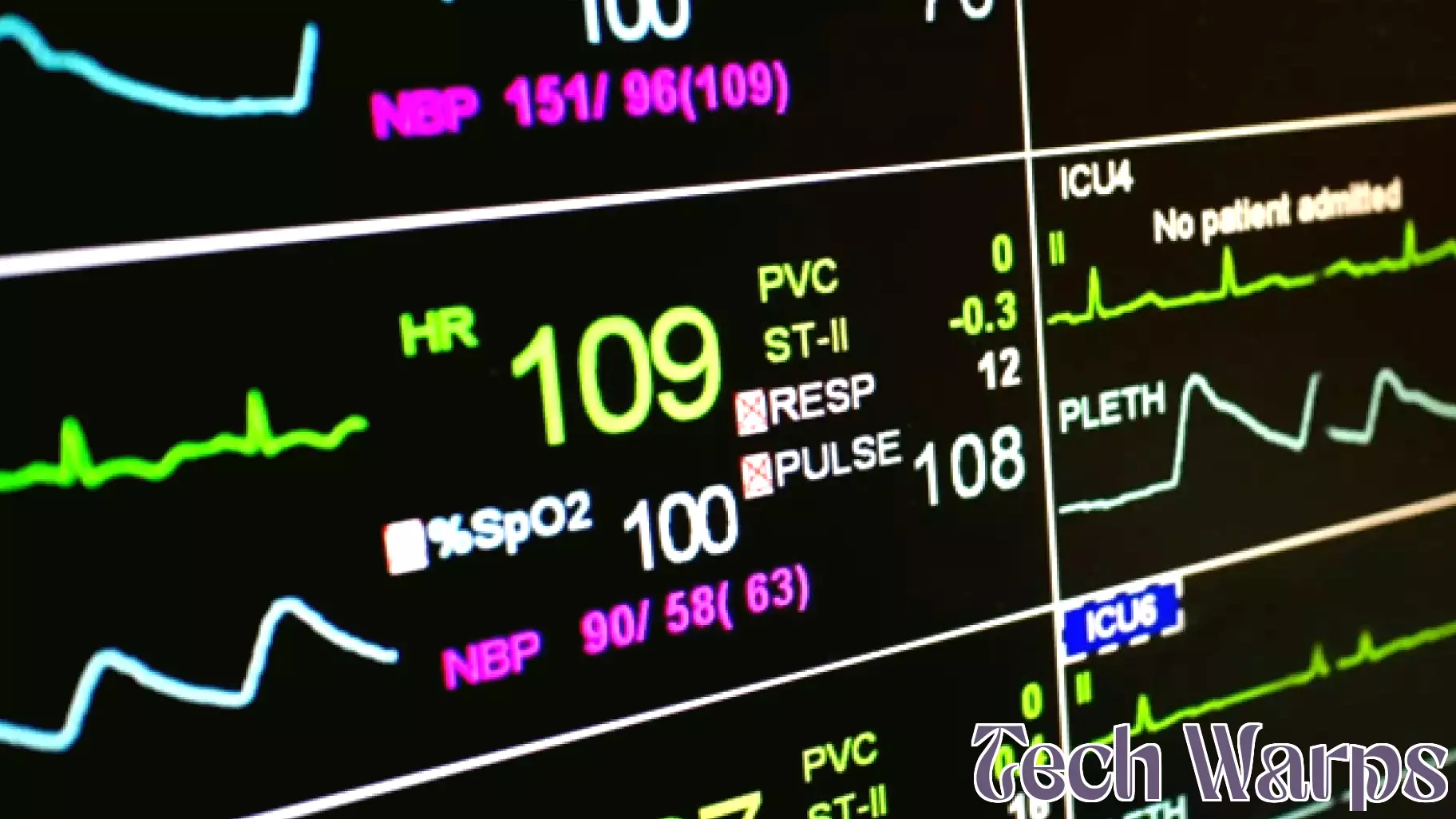
A first-of-its-kind study suggests a new noninvasive technique may help doctors catch a devastating intestinal disease in premature infants long before it shows up on an x-ray. The technology, known as broadband optical spectroscopy (BOS), was tested in a small human study at a Chicago children's hospital and the results were published in the Journal of Pediatric Surgery.
The condition, necrotizing enterocolitis (NEC), is a serious intestinal emergency that primarily affects babies born too early. It can progress rapidly, damaging the gut wall and leading to infection or even death. Currently, doctors rely on x-rays to confirm the diagnosis, but by the time changes are visible on an x-ray, the disease is often already advanced.
BOS works by shining light through the abdominal wall and analyzing how different wavelengths are absorbed or scattered by the tissue beneath. This gives doctors a real-time read on the health of the intestinal tissue, potentially flagging early warning signs of inflammation or reduced blood flow before the tissue is permanently damaged.
The researchers behind the study say this approach could be a game-changer for neonatal intensive care units. If confirmed in larger trials, it might allow doctors to intervene with treatments like antibiotics or temporary feeding breaks much sooner, potentially saving more babies from surgery or long-term complications. The team is now working on refining the device and planning broader studies to confirm its accuracy.
MORE NEWS
November 11, 2026 - 13:52
Training for Tomorrow: Inside Pellissippi State's Surgical Technology ProgramPellissippi State Community College`s Surgical Technology students are immersed in a learning environment that closely resembles a real hospital setting. The college has established specialized...

November 10, 2026 - 18:35
Insights on FSD Vehicles and Quantum Computing at the Jenks CenterWalter Hubbard shared his experiences with fully self-driving (FSD) vehicles during a recent forum at the Jenks Center in Winchester. Hubbard, a seasoned expert in automotive technology, discussed...
November 10, 2026 - 03:37
Update on Collaboration Between Micromem Technologies and University of TorontoMicromem Technologies has successfully fulfilled its financial obligations outlined in the collaboration agreement with the University of Toronto and Defence Research and Development Canada. This...

November 9, 2026 - 06:05
Transforming Healthcare: The Impact of Constraint-Driven InnovationIn recent years, constraint-driven innovation has emerged as a powerful force in reshaping healthcare delivery worldwide. This approach focuses on overcoming limitations to create impactful medical...