Lawmakers debate license plate reader technology
August 8, 2026 - 02:51
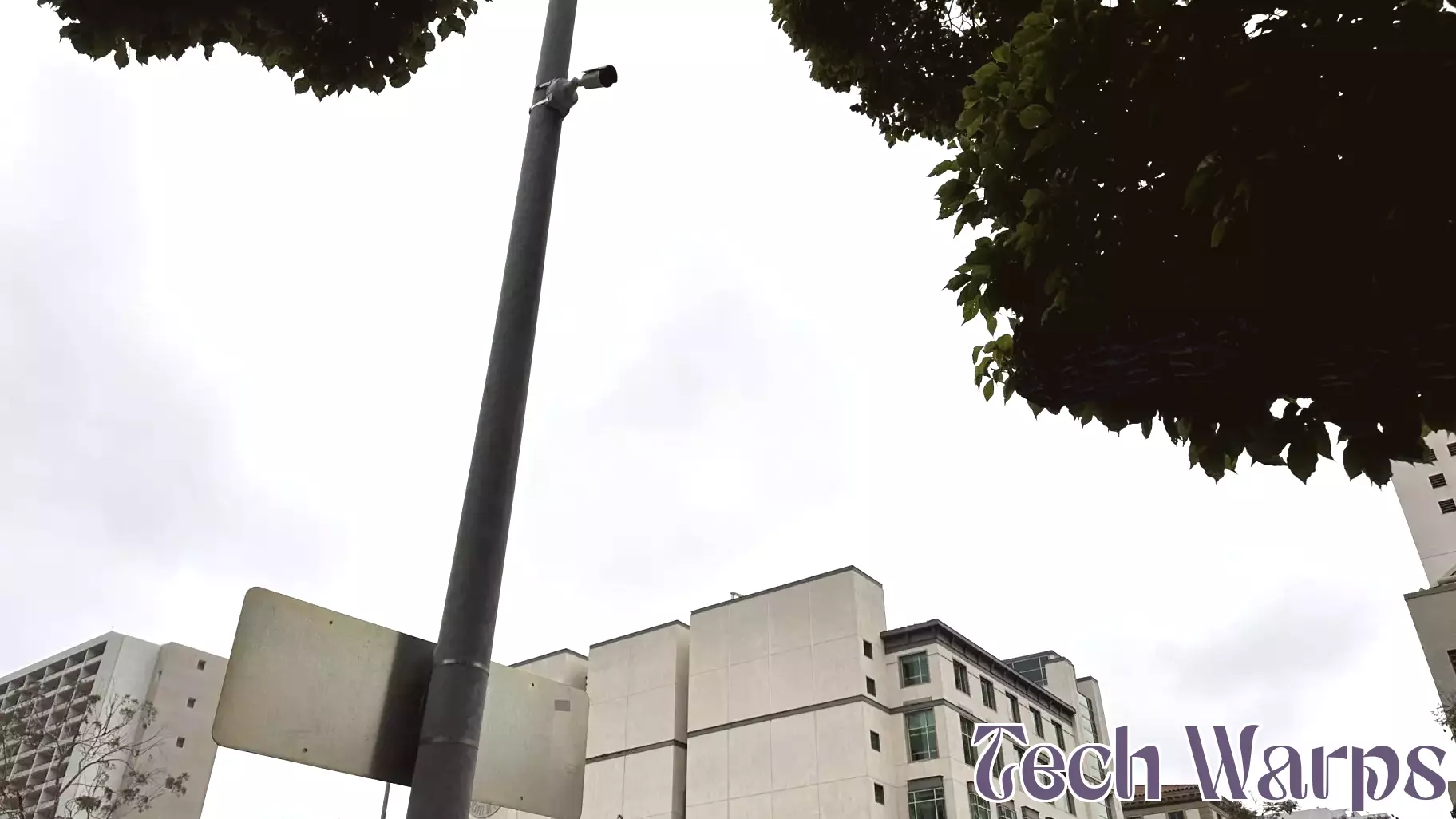
Every day, untold numbers of Californians drive past the thousands of cameras posted along roadways or installed on patrol cars. These automated license plate readers, known as ALPRs, capture and store images of every plate they see, along with the time and location. Now, state lawmakers are wrestling with how to regulate this rapidly spreading surveillance tool.
The core of the debate centers on privacy versus public safety. Supporters, including many police chiefs and sheriff's departments, argue that the technology is a force multiplier. It helps recover stolen vehicles, locate missing persons with dementia, and identify suspects in violent crimes within minutes, not days. They point to cases where a quick hit from an ALPR led to an arrest that might otherwise have taken weeks of manual work.
Opponents, however, see a different picture. Civil liberties groups and some Democratic legislators warn that the data creates a permanent record of where every driver has been. They argue that this allows the government to build a detailed map of a person's life, including visits to doctors, political meetings, or places of worship. The concern is not just about current use but about future access, especially by federal agencies or private companies.
The proposed legislation would set strict limits on how long data can be kept, currently proposed at 60 days for most agencies. It would also require warrants for most searches of the data, with exceptions for emergencies. Police would need to report annually on how often they use the system and how many queries they run.
The bill faces a tough road. Law enforcement groups have lobbied heavily against the warrant requirement, saying it slows down time-sensitive investigations. They also argue that a 60-day retention period is too short, as some cases, like human trafficking or cold cases, surface months later.
Lawmakers on both sides say they want a balance, but finding it has proven difficult. The committee hearing stretched past three hours with no clear consensus. A vote is expected in the coming weeks, and the outcome could set a precedent for how other states handle this fast-growing technology. For now, the cameras keep clicking, and the debate continues.
MORE NEWS
September 26, 2026 - 18:27
Massachusetts Backs Local Climate Tech With New FundingMassachusetts is putting money behind two local climate technology companies as federal support for renewable energy becomes less certain. The state has offered tax incentives to Florrent, a...

September 26, 2026 - 06:09
Disney (DIS) Names its First Technology Chief. Can AI Investment Deliver Returns?Disney has named Karandeep Anand, the outgoing chief executive of the generative AI chatbot service Character.AI, as its first chief technology officer. The appointment takes effect on October 2,...

September 25, 2026 - 20:24
MIT Program Connects Technical Students with Tulsa CommunitiesA university internship initiative is broadening how engineering and data science students understand the social impact of their work. The program places participants with tribal nations and local...
September 25, 2026 - 04:51
'Disrupting Politics' details Green Bay native's experiences in D.C. tech with eye on AIFor more than twenty years, a Green Bay native has held a front row seat in Washington D.C. at the intersection of technology and politics. Katie Harbath has spent 23 years working in the nation`s...