Inside the lab shaping hospitality's technology-driven future
June 30, 2026 - 00:47
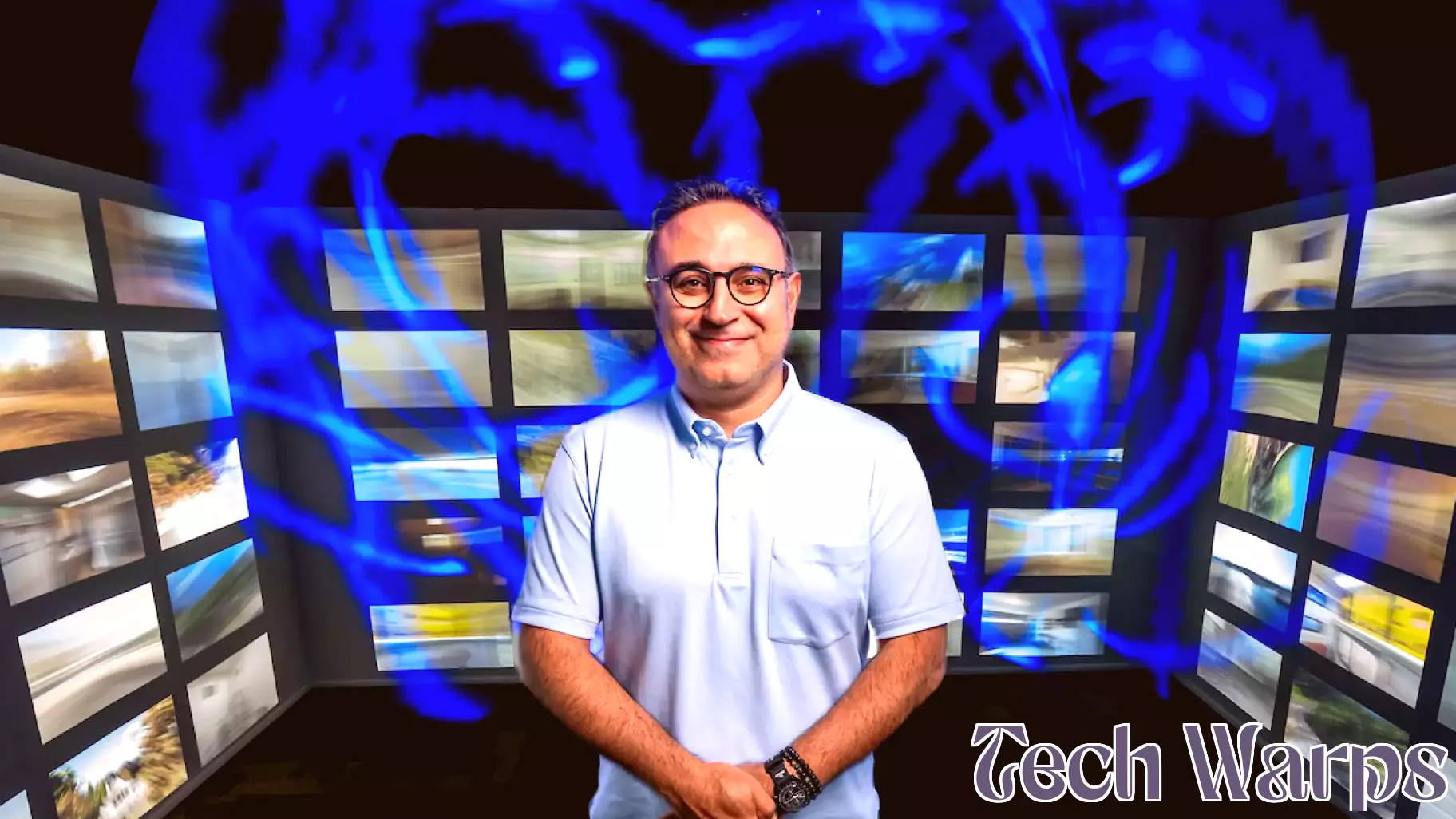
A research facility at Texas A&M University is rethinking how the hospitality industry operates, using artificial intelligence, biometric sensors, and virtual reality to study everything from guest check-ins to kitchen workflows. The Digital Transformation Lab, part of the university's School of Hospitality Administration, focuses on how technology can improve efficiency and customer experience in hotels, restaurants, and travel services.
Researchers in the lab run simulations where virtual guests interact with AI-powered concierges or automated ordering systems. Biometric tools, including eye-tracking glasses and heart rate monitors, measure how real people react to different service scenarios. For example, a study might track a volunteer's stress levels while they navigate a crowded hotel lobby or wait for a delayed room assignment. The goal is to identify friction points that frustrate guests and train staff more effectively.
The lab also experiments with predictive analytics. By feeding historical booking data and weather patterns into machine learning models, researchers can forecast demand for rooms or menu items. This helps businesses reduce waste and adjust pricing in real time. Another project tests how virtual reality can train hotel employees to handle difficult situations, like angry customers or emergency evacuations, without the risk of real-world mistakes.
Industry partners, including major hotel chains and restaurant groups, provide real data and feedback. The lab's director notes that the work is not about replacing human workers but about giving them better tools. A server armed with a tablet that suggests wine pairings based on a guest's past orders, for instance, can offer a more personalized experience.
As hospitality struggles with labor shortages and rising guest expectations, the lab's findings are already being applied. Some hotels have started using AI chatbots for routine inquiries, while others test biometric check-ins that cut lobby wait times. The research continues to explore how far technology can go without making service feel cold or impersonal.
MORE NEWS
September 26, 2026 - 18:27
Massachusetts Backs Local Climate Tech With New FundingMassachusetts is putting money behind two local climate technology companies as federal support for renewable energy becomes less certain. The state has offered tax incentives to Florrent, a...

September 26, 2026 - 06:09
Disney (DIS) Names its First Technology Chief. Can AI Investment Deliver Returns?Disney has named Karandeep Anand, the outgoing chief executive of the generative AI chatbot service Character.AI, as its first chief technology officer. The appointment takes effect on October 2,...

September 25, 2026 - 20:24
MIT Program Connects Technical Students with Tulsa CommunitiesA university internship initiative is broadening how engineering and data science students understand the social impact of their work. The program places participants with tribal nations and local...

September 25, 2026 - 04:51
'Disrupting Politics' details Green Bay native's experiences in D.C. tech with eye on AIFor more than twenty years, a Green Bay native has held a front row seat in Washington D.C. at the intersection of technology and politics. Katie Harbath has spent 23 years working in the nation`s...