Debate over impairment detection technology to stop drunk or impaired drivers
May 15, 2026 - 07:31
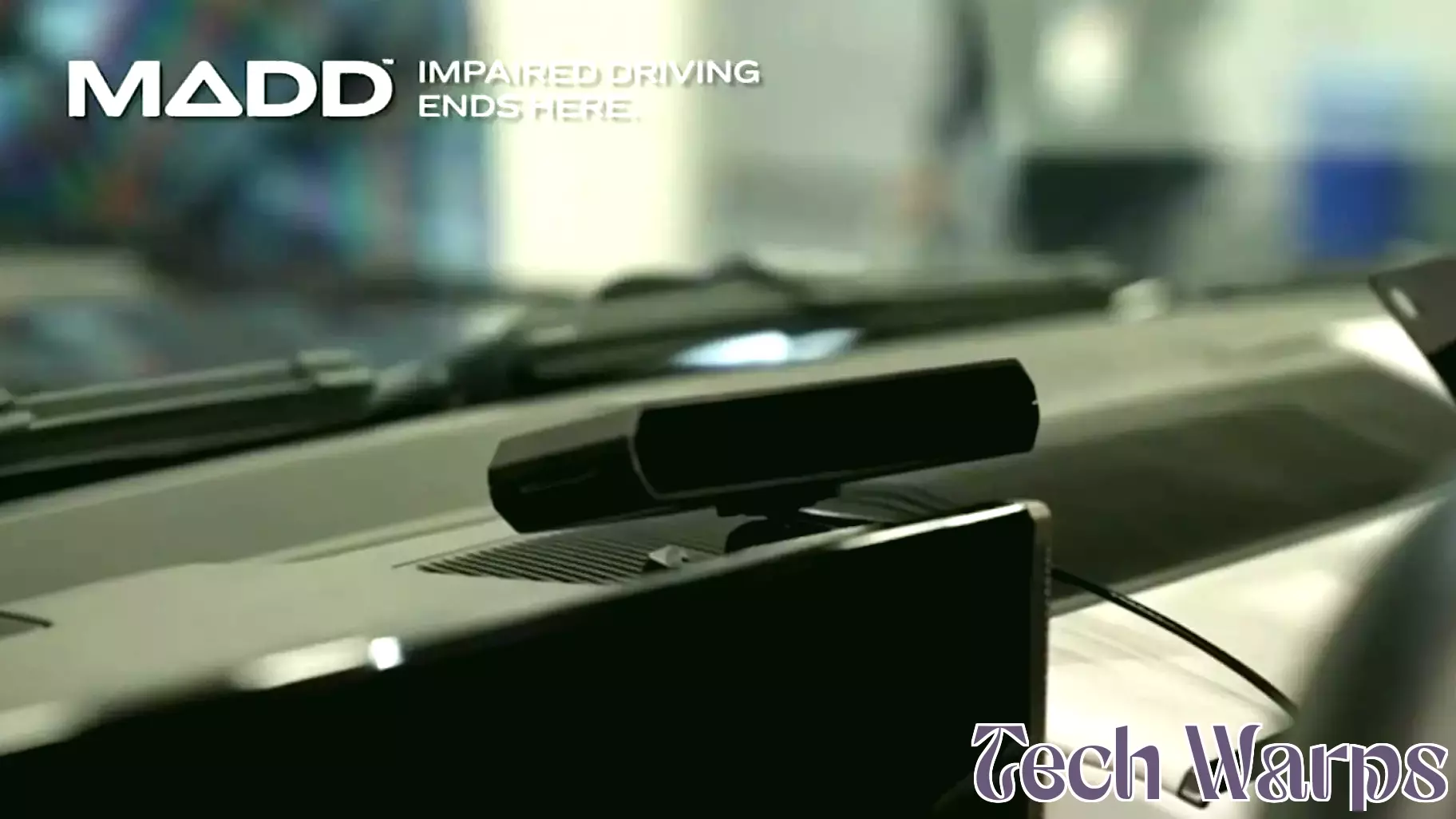
A proposed federal mandate requiring all new cars to include impairment detection systems is sparking heated discussion among safety advocates, privacy watchdogs, and automakers. The technology, which would automatically prevent a vehicle from moving if the driver is over the legal alcohol limit or otherwise impaired, is seen by many as a potential lifesaver. However, critics argue that the systems are not yet reliable enough and raise serious questions about personal privacy and data security.
The push comes from a provision in the federal infrastructure law, which directs the National Highway Traffic Safety Administration to develop standards for such technology. The goal is ambitious: to eliminate the roughly 10,000 alcohol-related driving deaths that occur each year in the United States. Proponents point to passive sensors that can measure blood alcohol content through the air in the cabin or through touch-based steering wheel sensors. They argue that these methods are less intrusive than a breathalyzer and could save thousands of lives without requiring any action from the driver.
Opponents, however, warn that the technology is not foolproof. False positives could strand sober drivers, while sophisticated drunk drivers might find ways to bypass the system. There are also concerns about who has access to the data collected by these sensors. Could insurance companies use it to raise rates? Could law enforcement access it without a warrant? These questions remain largely unanswered.
Automakers have expressed caution, noting that the technology is still in development and that rushing it to market could lead to costly recalls and consumer backlash. They also point to the challenge of detecting impairment from drugs other than alcohol, which is far more complex. As the debate continues, the clock is ticking. The federal timeline calls for a final rule by late 2024, with automakers given several years to comply. For now, the question is not whether this technology will arrive, but how ready we are for it.
MORE NEWS
September 26, 2026 - 18:27
Massachusetts Backs Local Climate Tech With New FundingMassachusetts is putting money behind two local climate technology companies as federal support for renewable energy becomes less certain. The state has offered tax incentives to Florrent, a...

September 26, 2026 - 06:09
Disney (DIS) Names its First Technology Chief. Can AI Investment Deliver Returns?Disney has named Karandeep Anand, the outgoing chief executive of the generative AI chatbot service Character.AI, as its first chief technology officer. The appointment takes effect on October 2,...

September 25, 2026 - 20:24
MIT Program Connects Technical Students with Tulsa CommunitiesA university internship initiative is broadening how engineering and data science students understand the social impact of their work. The program places participants with tribal nations and local...

September 25, 2026 - 04:51
'Disrupting Politics' details Green Bay native's experiences in D.C. tech with eye on AIFor more than twenty years, a Green Bay native has held a front row seat in Washington D.C. at the intersection of technology and politics. Katie Harbath has spent 23 years working in the nation`s...