AI is reshaping retail operations faster than most e-commerce teams are ready for
August 16, 2026 - 22:20
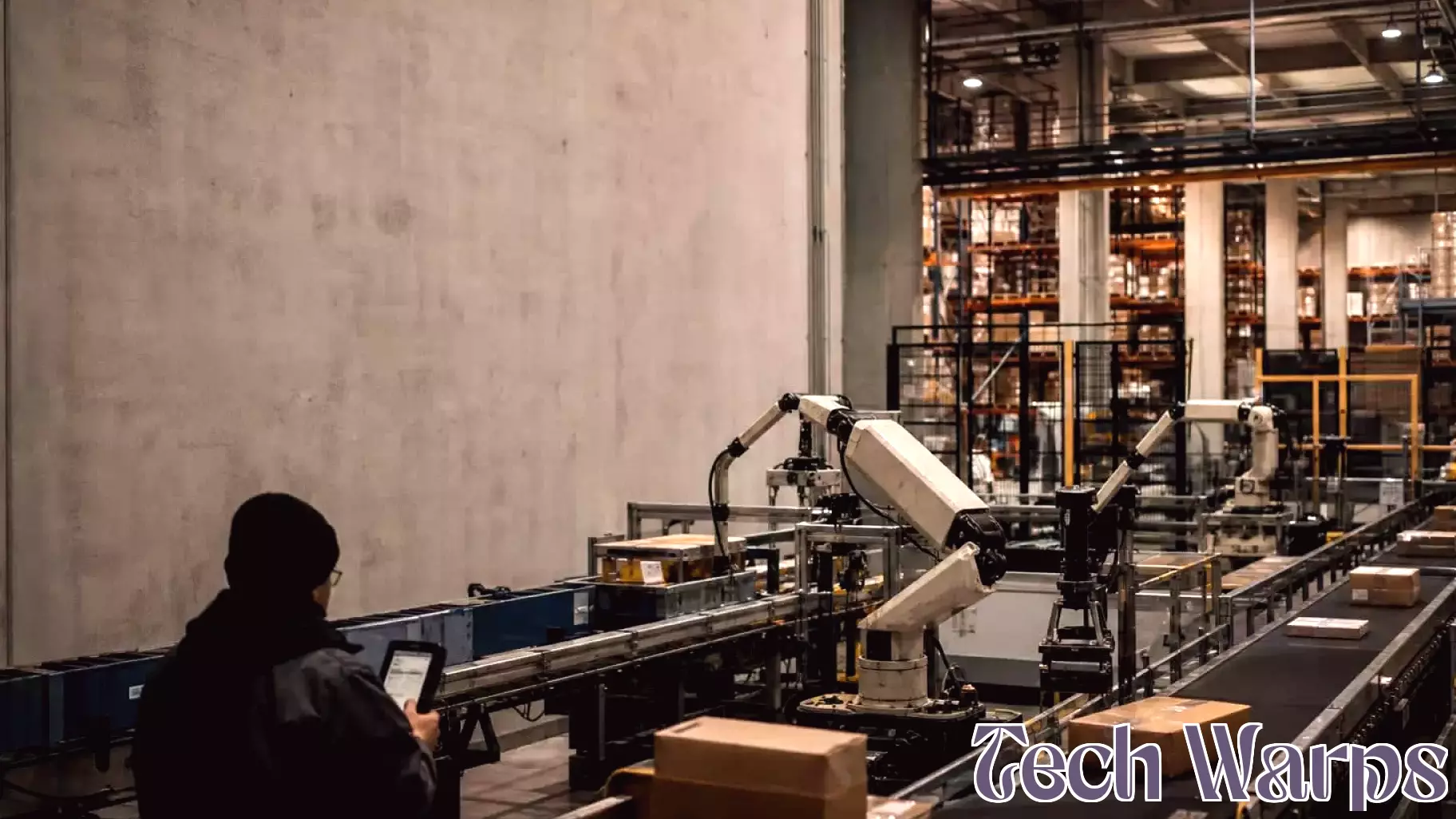
Retailers are no longer testing artificial intelligence on the sidelines. In 2026, major chains like Target, Gap, H&M, and Walmart have moved AI into the center of their daily operations, touching everything from warehouse robots to delivery route planning. The shift is happening faster than many internal teams can keep up with, and that gap is creating real pressure on operations leaders.
Target has expanded its AI-driven inventory forecasting to all of its stores, cutting overstock waste by a reported 18 percent. Gap is using computer vision in its distribution centers to sort clothing by size and color before human workers even touch a box. H&M is testing dynamic pricing models that adjust tags in real time based on local demand and weather patterns. Walmart, already known for its aggressive automation push, has rolled out AI-powered shelf scanning that flags empty spaces and mislabeled items within seconds.
What stands out this year is not the technology itself but how quickly it has become standard. Two years ago, most of these tools were confined to pilot programs in a handful of locations. Now they are baked into weekly performance reviews and quarterly budgets. For operations leaders, that means learning to manage systems that change faster than training manuals can be updated.
The practical effects are mixed. Some teams report smoother workflows and fewer manual errors. Others say the new tools create new bottlenecks, especially when legacy software cannot talk to the new AI platforms. Warehouse managers are also dealing with a different kind of staffing issue: they need fewer people for repetitive tasks but more people who can troubleshoot and maintain the automated systems.
There is also the question of customer trust. Shoppers have noticed when prices shift mid-week or when delivery windows tighten without explanation. Retailers are walking a fine line between efficiency and the feeling of being watched or algorithmically managed.
For now, the direction is clear. AI is not a side experiment in retail anymore. It is the operating system. The companies that figure out how to blend it with human judgment will pull ahead. The ones that treat it as a simple upgrade will likely fall behind, not because the tech fails, but because their teams were not ready for the pace of change.
MORE NEWS

August 16, 2026 - 12:49
Third SF gay bar pauses use of facial recognition tech amid concernsA third gay bar in San Francisco has decided to stop using facial recognition and ID scanning technology, following pressure from a local boycott campaign. The move comes just weeks after two other...

August 15, 2026 - 19:31
Privacy Bee Acquires EraseMe.app To Expand Data Removal Technology And Ongoing Privacy MonitoringPrivacy Bee has completed the acquisition of EraseMe.app, bringing the personal data removal service`s customer base and technology into its own platform. The move strengthens Privacy Bee`s ability...

August 15, 2026 - 08:51
SK Hynix vs. Monday.com: Which Technology Stock Is a Better Buy in 2026 Amid the Artificial Intelligence Boom?Investors looking for exposure to the artificial intelligence boom in 2026 are weighing two very different plays: SK Hynix, the memory chip giant, and Monday.com, the software platform. Both have...

August 14, 2026 - 18:11
Test moderators use AI-generated writing to judge literacy standardsA UK government initiative is exploring the use of artificial intelligence to create sample student essays for training purposes. The plan would replace real children`s writing with scripts...