Why Creators Should Embrace Mixed Reality Now
8 August 2026
There is a window of opportunity in every new medium. It opens quietly, and most people walk past it because the tools look unfinished or the audience seems too small. Mixed reality is in that window right now. For creators who build content for a living, waiting for the platform to mature is the same as letting someone else define the rules of engagement.
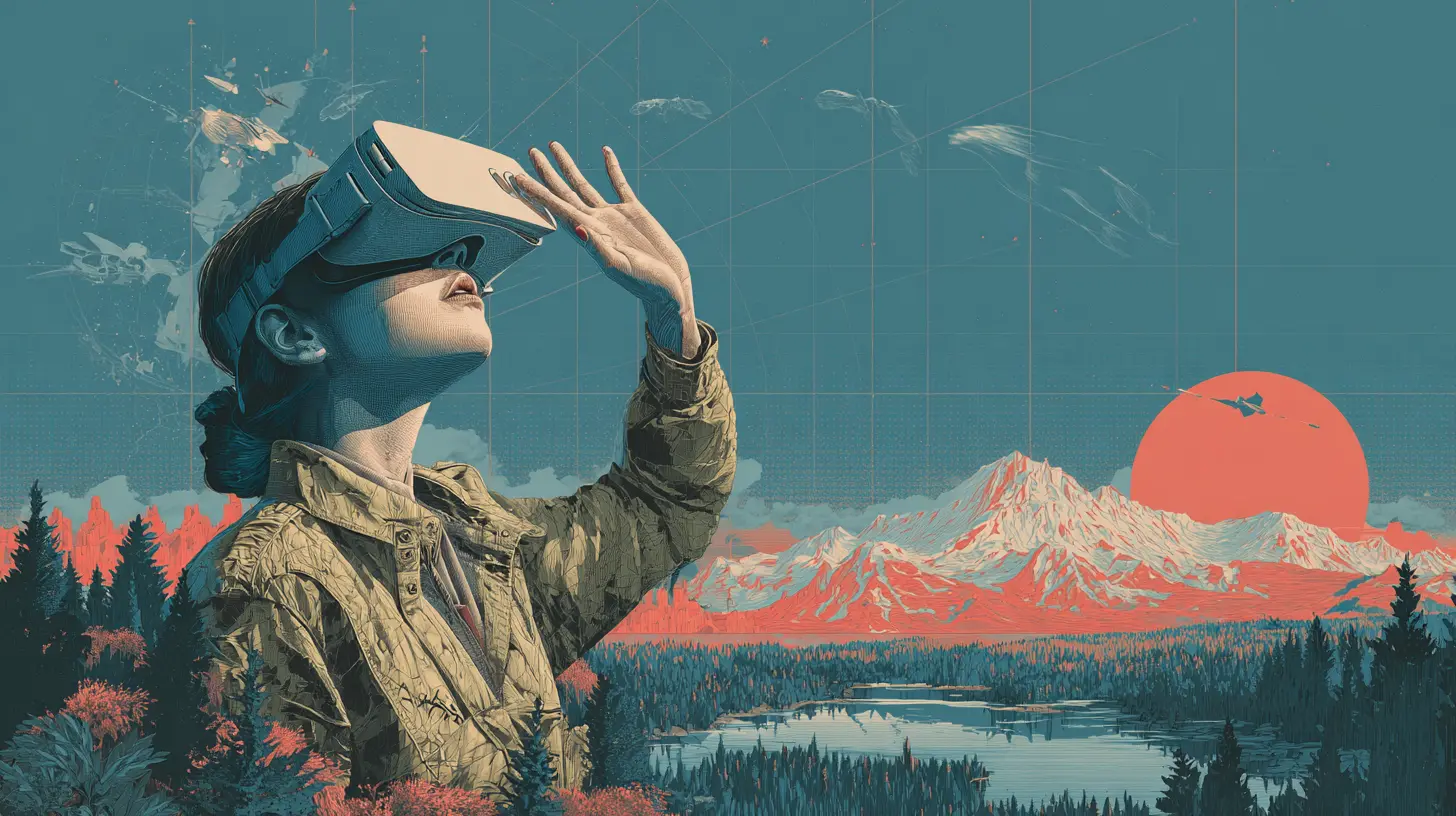
Mixed reality is not virtual reality. It is not an escape from the world. It is an overlay on the world, a layer of digital information and interactive objects that sits right on top of your physical space. That difference matters more than most people realize. It changes what you can create, who can use it, and how long they will stay engaged.
What Mixed Reality Actually Changes for Creators
Virtual reality promised total immersion but demanded total isolation. You put on a headset, and the room disappears. That is powerful for gaming or cinematic experiences, but it has a hard ceiling for everyday utility. Mixed reality removes that ceiling because it does not ask you to leave your environment. It asks you to look at your environment differently.For a creator, this shifts the fundamental question from "how do I build a world" to "how do I enhance this world." The first is a massive undertaking. The second is a targeted intervention. You are not competing with reality for attention. You are cooperating with it. That is a much easier sell for a general audience, and it is a much more practical foundation for building a sustainable creative practice.
Think about the difference between a cooking app in virtual reality and one in mixed reality. In VR, you are standing in a virtual kitchen, and the real kitchen is invisible. You cannot touch your actual stove or feel your actual knife. The experience is a simulation. In mixed reality, the app can project a step-by-step recipe card onto your actual counter, highlight the ingredients you have already measured, and place a timer right next to the pot you are stirring. You are still in your kitchen, using your tools, but the information layer makes you faster and more accurate. That is not a toy. That is a utility.
The Hardware Has Finally Crossed the Threshold
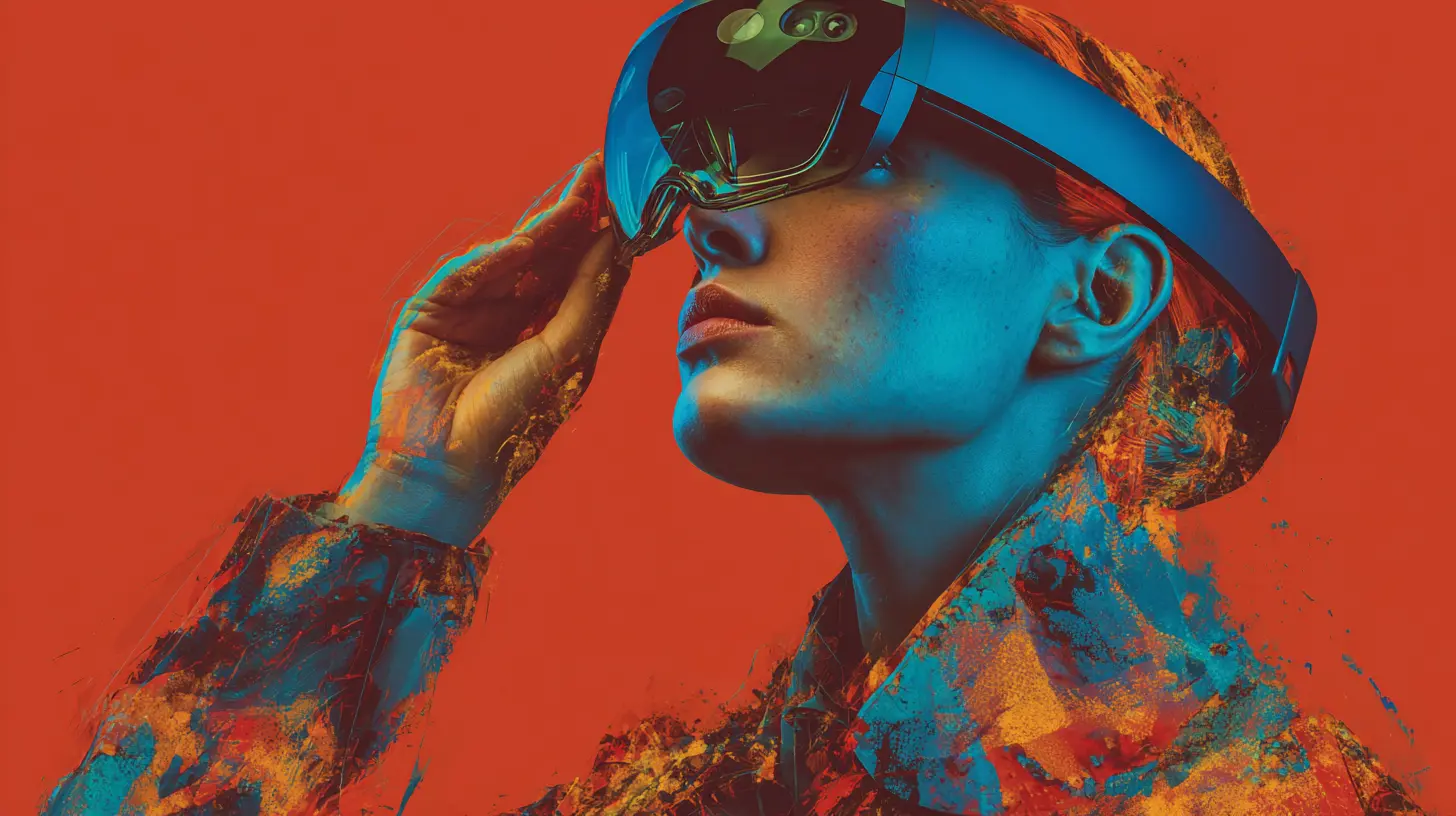
For years, mixed reality was a research project. Headsets were heavy, the field of view was narrow, and the tracking was jittery. The hardware has changed. Modern headsets use outward-facing cameras and depth sensors to map your room in real time, and they do it with enough precision that digital objects can sit on your table and stay there as you walk around them. The latency is low enough that you do not feel a disconnect between your movement and the digital response.That technical shift matters because it removes the biggest barrier to adoption: physical discomfort and cognitive dissonance. When the headset feels like a pair of ski goggles rather than a diving helmet, people are willing to wear it for longer periods. And when the digital objects behave as if they are actually in the room, your brain stops fighting the illusion and starts accepting it.
Creators should also pay attention to the price trajectory. The first generation of consumer mixed reality headsets was expensive, but prices have dropped significantly in the last few years. We are now at the point where a serious content creator can own a development unit without needing a corporate budget. That is the same pattern we saw with smartphones in the late 2000s. The tools become affordable, then the content explodes, then the platform becomes mainstream.
Why Timing Matters More Than Technology
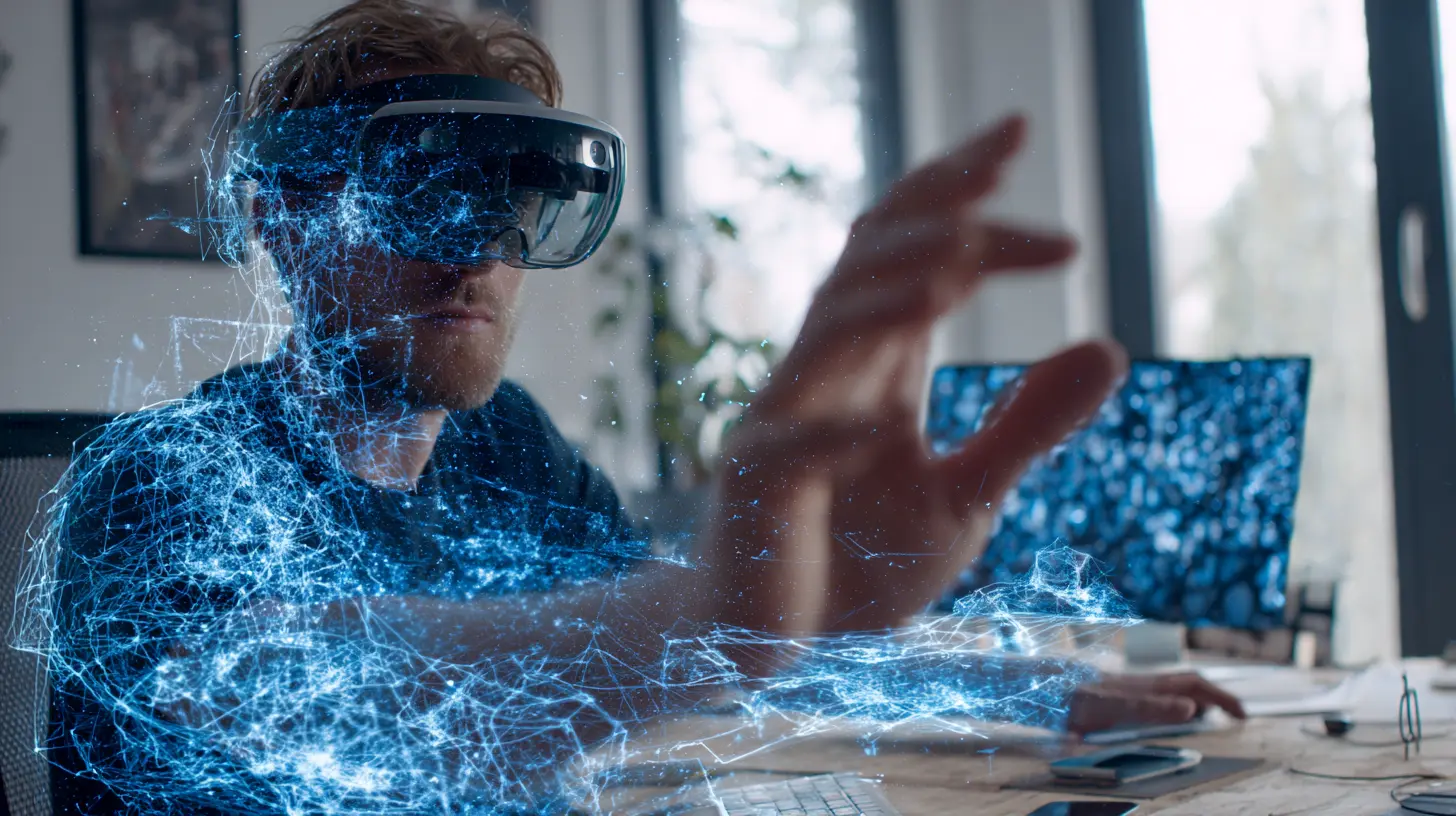
Technology adoption follows a curve, and the early part of that curve is where the biggest opportunities live. When a platform is new, there is no established playbook. There are no dominant creators, no proven formats, and no audience expectations. That is uncomfortable for people who like clear rules, but it is liberating for people who want to experiment.Consider the early days of YouTube. The first creators were not professional filmmakers. They were people who understood that the platform rewarded authenticity and frequency. They made mistakes, but they built audiences that followed them for years. The same thing happened with podcasting. The first wave of podcasters had terrible audio quality by today's standards, but they established the listening habits that made the medium viable.
Mixed reality is at that same stage. The tools are good enough to create compelling work, but the competition is thin. If you start building now, you are not competing against thousands of polished creators. You are competing against a handful of early adopters who are still figuring things out. That is a massive advantage for someone who is willing to put in the work.
The window will close. It always does. Once the platform reaches a critical mass of users, the bar for entry rises. Production values go up, the algorithms start favoring established names, and the cost of experimentation increases. If you wait until mixed reality is obviously mainstream, you will be entering a crowded market with a much higher barrier to entry.
What Creators Can Build That Actually Works
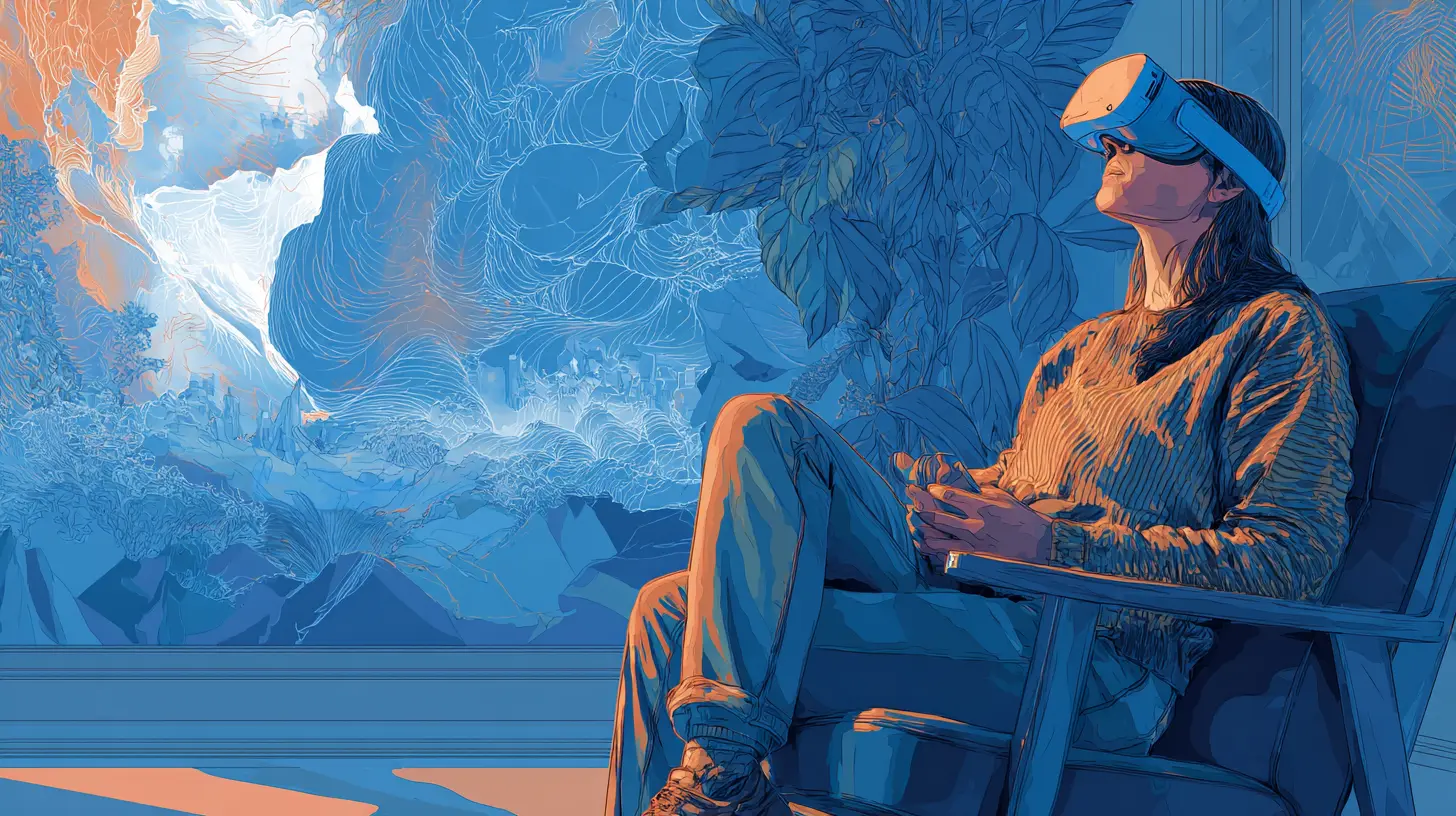
Not every type of content translates well to mixed reality. The medium has strengths and weaknesses, and understanding them is the difference between creating something that feels magical and something that feels gimmicky.Spatial Storytelling
The most obvious opportunity is spatial storytelling. Instead of telling a story on a flat screen, you can place story elements around the room. A character can walk out from behind your couch. A clue can appear on your wall. The narrative becomes something you move through rather than something you watch. This works particularly well for interactive fiction, educational content, and marketing experiences.The key is to use the space intentionally. A digital object floating in the middle of an empty room is just a hologram. A digital object that interacts with your actual furniture, your actual lighting, and your actual layout feels like a story that is happening in your world. The best spatial stories are the ones that acknowledge the physical environment rather than ignoring it.
Practical Instruction and Training
Mixed reality is a natural fit for anything that requires hands-on learning. Repair manuals, cooking tutorials, fitness coaching, and even language learning can all be enhanced by placing digital instructions directly onto the physical objects you are working with.For example, a guitar lesson app can project chord diagrams onto the neck of your actual guitar. A furniture assembly guide can place a virtual arrow on the exact screw you need to turn. A plumbing tutorial can label the pipes under your sink as you look at them. This is not just a convenience. It reduces the cognitive load of switching between a screen and a physical task, which makes the learning process faster and more intuitive.
Social Presence and Shared Spaces
One of the biggest misconceptions about mixed reality is that it is a solitary experience. In reality, the best mixed reality applications are social. Because you are still in the physical world, you can share the experience with people who are in the same room. You can point at a virtual object while talking to a friend. You can play a board game that has digital pieces on your real table. You can work on a design project together, with one person seeing the annotations and the other seeing the model.This social component is something that virtual reality has struggled with for years. In VR, social interaction requires avatars and complex networking. In mixed reality, social interaction can be as simple as two people wearing headsets in the same room, looking at the same digital overlay. That is a much lower barrier to creating meaningful shared experiences.
The Creative Workflow Is Simpler Than You Think
Many creators assume that mixed reality requires a background in 3D modeling or game development. That is no longer true. The modern toolset has matured to the point where someone with basic web development skills can create functional mixed reality experiences.The core workflow involves three steps: creating or acquiring 3D assets, placing them in a spatial scene, and writing simple interaction logic. For 3D assets, you can use existing libraries, scan real objects with a phone, or model simple shapes directly in the development environment. For the spatial scene, you use the headset's room mapping to define surfaces and boundaries. For interaction logic, you write scripts that respond to gaze, hand gestures, or voice commands.
This is not trivial, but it is far more accessible than the game development pipelines of the past. The learning curve is comparable to learning a modern web framework. If you can build a simple interactive website, you can build a simple mixed reality experience.
Common Mistakes and How to Avoid Them
The biggest mistake creators make with mixed reality is treating it like virtual reality. They build experiences that ignore the physical environment, which defeats the entire purpose of the medium. A mixed reality experience that could just as easily be a video is a wasted opportunity.The second mistake is overcomplicating the interaction model. New creators often try to give users too many controls, too many menus, and too many options. Mixed reality works best when the interaction is minimal and natural. Look at an object to select it. Reach out to grab it. Speak to command it. If you find yourself designing a complex UI with buttons and sliders, you are fighting the medium instead of working with it.
The third mistake is ignoring comfort. Mixed reality headsets are lighter than they used to be, but they are still physical devices. Long sessions cause fatigue, and poorly designed experiences can cause eye strain or motion sickness. Keep sessions short, keep the digital objects stable, and avoid forcing users to move their heads rapidly. Comfort is not a feature. It is a requirement.
Another common error is assuming that everyone has a large, empty room. Many mixed reality experiences assume a spacious environment, which alienates users who live in small apartments or shared spaces. Design for small spaces first. If your experience works in a cramped bedroom, it will work in a living room.
The Business Case for Getting In Early
From a financial perspective, there is a strong argument for being an early mover in mixed reality. The current market is small, but it is growing, and the cost of entry is low relative to the potential upside.Creators who establish a presence now can build a portfolio of work that demonstrates their capabilities. When the platform does go mainstream, they will have a head start on the competition. They will have already made the mistakes, learned the best practices, and built a relationship with the early community. That is an asset that cannot be bought later.
There is also the opportunity to shape the platform itself. Early creators often become the reference points for the medium. They define the conventions, the visual language, and the interaction patterns that later creators will follow. If you want to influence how mixed reality content is made, the time to do that is now.
The revenue models are still evolving, but that is not a reason to wait. In the early days of any platform, the monetization options are unclear. That uncertainty is exactly why there is so little competition. Once the money starts flowing, the space fills up fast.
What to Consider Before You Start
Mixed reality is not for everyone, and it is important to be honest about that. If you have no interest in 3D design, no patience for iterative testing, and no tolerance for imperfect hardware, this medium will frustrate you. The tools are better than they were, but they are not as polished as traditional content creation tools.You also need to consider the physical demands. Developing for mixed reality requires wearing a headset for extended periods. Some people find this uncomfortable, and some people experience eye strain or headaches. If you are in that group, you can still work in the medium by relying on screen-based emulation, but you will miss some of the nuance of the spatial experience.
Another consideration is the audience. The current mixed reality audience is small and technically savvy. They are early adopters who are forgiving of rough edges, but they are also demanding when it comes to innovation. They have seen a lot of gimmicks, and they respond best to experiences that feel genuinely useful or genuinely delightful.
The Long Game
The most important thing to understand about mixed reality is that it is not a passing trend. It is the natural evolution of computing. We started with text, moved to graphics, then to touch, and now we are moving to spatial interfaces. The screen is not disappearing, but it is becoming less central. The physical world is becoming the canvas.For creators, this means that the skills you develop now will remain relevant for decades. The specific tools will change, and the hardware will improve, but the fundamental principles of spatial design, environmental storytelling, and interactive presence will only become more important.
The creators who succeed in mixed reality will be the ones who treat it as a serious medium rather than a novelty. They will study how people move through space, how they interact with objects, and how they respond to digital information in a physical context. They will experiment, fail, iterate, and eventually produce work that feels effortless and inevitable.
That work is not being made yet. The field is wide open.
If you are a creator who has been waiting for the right moment to start, this is it. The hardware is good enough. The tools are accessible. The audience is small but engaged. The window is open, and it will not stay open forever.
all images in this post were generated using AI tools
Category:
Tech For CreatorsAuthor:

Adeline Taylor
Discussion
rate this article
1 comments
Elowis Hall
Great insights on mixed reality! It's exciting to see how creators can leverage this technology to enhance their work. I look forward to seeing the innovative ways it's applied in various fields.
August 12, 2026 at 4:11 AM