Which Personal Assistants Will Lead the AI Revolution by 2027?
5 September 2026
The year 2027 is not a distant sci-fi horizon. It is roughly two product cycles away for major tech companies, and about three hardware refreshes for your phone. The personal assistant landscape in 2027 will not be defined by a single winner. It will be defined by a fundamental shift in what an assistant actually is. We are moving from command-based tools to proactive, context-aware agents that manage workflows, not just answer questions. The question is not which brand will win, but which architecture and philosophy will dominate. And the answer is more complex than picking between Siri, Alexa, and Google Assistant.
The Invisible Shift: From Reactive to Proactive
The current generation of assistants is fundamentally reactive. You say "Hey Siri, set a timer," and it sets a timer. You ask Alexa for the weather, and it reads a forecast. These are useful, but they are essentially voice-controlled search engines and remote controls. They do not understand your life. They do not know that your calendar is packed, your flight is delayed, and your usual coffee order will not arrive in time because you are running late.By 2027, the leading assistants will be proactive. They will monitor your digital exhaust: your calendar, emails, messages, location, browsing history, and even your biometric data from a smartwatch. They will anticipate needs. For example, if your morning meeting is canceled, the assistant will not just tell you. It will reschedule your follow-up tasks, push back your next appointment, and order lunch for the new free hour, all without asking. This is not a fantasy. This is the logical endpoint of the integration of large language models with API access to your personal data.
The race for 2027 is not about who has the best speech recognition. It is about who can build the most trusted, secure, and reliable agentic layer over your digital life. The companies that succeed will be those that solve the "permission problem": how to act on your behalf without you having to approve every single action. This is the true battleground.
The Contenders and Their Core Philosophies
Let us examine the main players and, more importantly, the strategic bets they are making. Each has a distinct advantage and a critical weakness.Apple and the Privacy-First On-Device Agent
Apple's approach is the most philosophically distinct. They are betting that privacy is not just a feature, but the primary selling point. By 2027, I expect Siri to be fundamentally rebuilt around on-device processing, with a private cloud compute layer for complex tasks. The assistant will have access to your messages, photos, and health data, but it will process them locally or in a secure enclave that Apple cannot access.The strength here is trust. Apple users are notoriously loyal, and the integration with the hardware ecosystem is unmatched. The assistant will know you are in your car because your iPhone is connected to CarPlay. It will know you are asleep because your Apple Watch detects your heart rate and movement. This context is gold.
However, the weakness is also clear. Apple's insistence on privacy limits the assistant's ability to integrate with third-party services that do not share the same security standards. If you want the assistant to book a flight on a budget airline that has a poorly secured API, Apple will likely block it or require a cumbersome approval flow. This could make Siri feel "safe but limited" compared to more open rivals. The other issue is speed of iteration. Apple's development cycles are slower and more deliberate. They do not ship half-baked features. In a fast-moving AI race, this deliberate pace can be a fatal disadvantage. By 2027, they risk having a polished, secure assistant that is a year behind the competition in raw capability.
Google and the Contextual Data Advantage
Google has the most data. That is an understatement. They have your email, your search history, your location, your YouTube viewing habits, and your calendar. Google Assistant, or whatever it is called by then, will likely be rebranded as "Gemini Assistant" or simply "Gemini." The core advantage is contextual understanding. If you ask, "Where is my package?", the assistant does not need to ask which package. It knows you have a delivery from Amazon arriving today, a FedEx shipment from your office, and a UPS package from your sister. It can disambiguate based on your current location and recent messages.The weakness is trust and creepiness. Many users are uncomfortable with an assistant that knows this much. Google has historically struggled with the "creepy factor." The other issue is fragmentation. Google has multiple assistants: Google Assistant, Bard/Gemini, and the assistant built into Android Auto. They are not fully unified. By 2027, they must have a single, coherent agent that works across all surfaces. If they fail to do this, the experience will be disjointed.
But the biggest risk for Google is the adversarial relationship with its own business model. Google makes money from ads. A truly effective assistant will often bypass search results and go directly to the answer or action. If the assistant books a restaurant reservation directly through OpenTable, Google does not show ads. This is a fundamental conflict of interest. The question is whether Google will cannibalize its search revenue to provide a better assistant experience. I suspect they will try to have it both ways, which will result in a compromised experience.
Amazon and the Home Automation Hub
Alexa was the first mover in the smart home space, but it has stagnated. The original Alexa was skill-based, meaning developers had to build specific "skills" for specific commands. This model is too rigid for the agentic era. Amazon is now investing heavily in a new model, reportedly with a "Large Action Model" that can reason about your home and execute multi-step commands.By 2027, Alexa's strength will be in the physical world. It will be the best at managing your lights, thermostat, security cameras, and appliances. It will understand the context of a room. It will know that when you say "I am watching a movie," it needs to dim the lights, lower the blinds, set the soundbar to cinema mode, and pause the robot vacuum.
The weakness is that Amazon does not have a strong mobile operating system. Alexa is a guest on your phone, not the host. To be a true personal assistant, it needs to be with you everywhere. Amazon's hardware ecosystem is also fragmented. They have Echo speakers, Fire tablets, and a partnership with various car manufacturers. But they do not have a personal device that you carry with you at all times. This limits the assistant's ability to handle mobile-centric tasks like navigation, messaging, and payments. Alexa will likely remain the king of the living room but fail to become the king of your life.
The New Challengers: OpenAI, Anthropic, and the AI-Native Assistants
The most interesting contenders are the AI-native companies that do not have legacy assistant baggage. OpenAI has ChatGPT, which is already being used as a de facto assistant by millions. Anthropic has Claude, which is gaining a reputation for nuanced understanding and safety. These companies are not building assistants from the perspective of "how do we add voice to a search box?" They are building from the perspective of "how do we create an agent that can reason and act?"By 2027, I expect these companies to have released dedicated assistant hardware or have deep integrations with existing platforms. Their advantage is pure model capability. They are not constrained by legacy features or the need to protect an existing search business. They can build the assistant from scratch to be agentic.
The weakness is the lack of an ecosystem. They do not have your emails, your calendar, or your contacts. They will need to ask you for permissions to access these services, which adds friction. They also lack a hardware presence. Will you trust a ChatGPT assistant with your door lock? That is a big leap. These companies will need to partner with hardware makers or build their own devices to become truly ubiquitous. This is a massive capital expenditure and a logistics challenge.
The Critical Role of the "System of Record"
The most overlooked factor in this race is not the assistant itself, but the underlying data infrastructure. An assistant is only as good as the data it can access. The winner will be the company that becomes the "system of record" for your personal and professional life.Currently, that system is fragmented. Your calendar is on Google or Outlook. Your messages are on WhatsApp or iMessage. Your tasks are on Todoist or Asana. Your finances are on Mint or your bank's app. The leading assistant will need to unify this data. This is why Apple's HealthKit and Google's Health Connect are so important. They are not just fitness tracking. They are data aggregation platforms that give the assistant a complete view of your physical state.
The company that can create a unified data graph, with the user's full consent, will have an insurmountable advantage. This is why you see Apple pushing hard on the "Apple ID" as a universal identity and Google pushing on "Sign in with Google." The assistant is the front end, but the data graph is the real product.
The Technical Hurdles: Hallucination and Action Reliability
The biggest technical challenge is not language understanding. It is action reliability. If your assistant tells you the weather and is wrong, it is mildly annoying. If your assistant books a non-refundable flight for the wrong date, it is a disaster. By 2027, the leading assistants will have to achieve near-zero error rates for consequential actions.This is a fundamentally different problem from generating text. The model must not only understand the intent but also verify the outcome. It must check that the flight was booked, that the payment went through, and that the confirmation email was received. This requires a "verification loop" where the assistant interacts with the external API, checks the result, and then reports back to the user. This is difficult because external APIs are messy. They change, they break, and they have inconsistent error messages.
The companies that solve this will likely use a hybrid approach. They will use a large language model for planning and reasoning, but they will use deterministic code for the actual execution. For example, the model will decide "I need to book a flight from New York to London on June 15th," but the actual API call and error handling will be done by traditional software. This is a pragmatic approach that sacrifices some flexibility for reliability.
The User Experience Paradigm
The user interface for assistants in 2027 will not be voice-first. It will be "ambient." Voice is great for simple tasks like setting a timer, but it is terrible for complex tasks like comparing insurance policies. The leading assistants will use a multi-modal interface. They will have a persistent chat window that you can type into, a voice interface for hands-free interaction, and a proactive notification system that suggests actions.The key transition is from a "pull" model to a "push" model. Currently, you pull information from the assistant. You ask a question. In 2027, the assistant will push information to you. It will send you a notification that says, "Your flight is delayed by 2 hours. I have rebooked you on the next flight and notified your driver." This is a massive change. It requires the assistant to have a level of agency that is currently very rare.
The danger is notification fatigue. If the assistant is too aggressive, it will become a nuisance. The best assistants will learn your tolerance for interruptions. They will know that you do not want to be disturbed during deep work, but you do want to be notified immediately about changes to your child's school schedule. This is a deeply personal calibration that requires long-term learning.
Common Misconceptions About the 2027 Assistant
One major misconception is that the assistant will be a single entity. It will not. It will be a federation of specialized agents. You will have a "travel agent" agent, a "finance" agent, and a "communication" agent. They will all be coordinated by a central "conductor" agent. This is similar to how a company has departments. The conductor will route tasks to the appropriate specialist.Another misconception is that the assistant will replace human interaction. It will not. It will handle the transactional parts of communication, like scheduling and reminders, but it will not write heartfelt letters to your grandmother. The best assistants will know when to defer to a human. This is a critical design principle. An assistant that tries to fully automate your social life will be rejected.
A third misconception is that the assistant will be a single app. It will be embedded into everything. It will be in your operating system, your browser, your car, and your glasses. The concept of "opening the assistant app" will seem archaic. The assistant will simply be present when needed.
What Should You Do Now?
If you want to be prepared for 2027, you should start consolidating your digital life now. Pick one calendar provider, one email provider, and one task manager. The more fragmented your data, the less effective your future assistant will be. This is a practical step that has immediate benefits for your personal productivity, regardless of which company wins.You should also start using the current generation of AI tools heavily. The more you use them, the better you understand their limitations. You will learn where they are reliable and where they are not. This experience will help you make better decisions about which ecosystem to commit to.
Finally, do not lock yourself into a single ecosystem. The leading assistant in 2027 will likely be the one that can work across platforms. If you are all-in on Apple, you will be limited to Apple's assistant. If you are all-in on Google, you will be limited to Google's. The best strategy is to use cross-platform tools that have open APIs. This will give you the flexibility to switch assistants as the market evolves.
The Dark Horse: Open Source and Local Models
There is a possibility that the leading assistant is not owned by any company at all. The open-source community is making rapid progress on local language models. By 2027, it is plausible that a capable personal assistant can run entirely on your own hardware, using a model you download for free. This would be the ultimate privacy solution. Your data would never leave your device.The trade-off is capability. A local model will not have access to the vast cloud-based knowledge that a commercial model has. It will not know about the latest news or the best restaurant in a city you are visiting. It will be like having a brilliant personal secretary who has never left your hometown. For some tasks, this is fine. For others, it is a severe limitation.
The pragmatic approach is a hybrid. You will have a local model for sensitive tasks, like managing your health data, and a cloud model for general knowledge and complex reasoning. This is likely the architecture that security-conscious users will adopt.
The Verdict: No Single Winner, But A Dominant Philosophy
By 2027, we will not have a single dominant assistant. We will have a dominant philosophy: the proactive, agentic, multi-modal assistant. The question is which company will execute this philosophy best.My analysis suggests that Google has the greatest technical and data advantage, but they are hamstrung by their business model and trust issues. Apple has the greatest trust and hardware integration, but they are too slow and too restrictive. Amazon will win the home, but lose the pocket. The AI-native companies will have the best raw intelligence, but they will struggle to gain the necessary data access and hardware presence.
The most likely outcome is a duopoly: Google for the Android/Open Web ecosystem, and Apple for the iOS/Privacy ecosystem. The AI-native companies will either partner with one of these giants or be acquired by them. Amazon will remain a significant player in the smart home but will not be a general-purpose assistant.
The real winner, however, will be the user who understands that the assistant is a tool, not a master. The best assistant will make you more capable, not less. It will not think for you. It will handle the mundane, so you can focus on the meaningful. That is the promise of 2027, and it is one that is finally within reach.
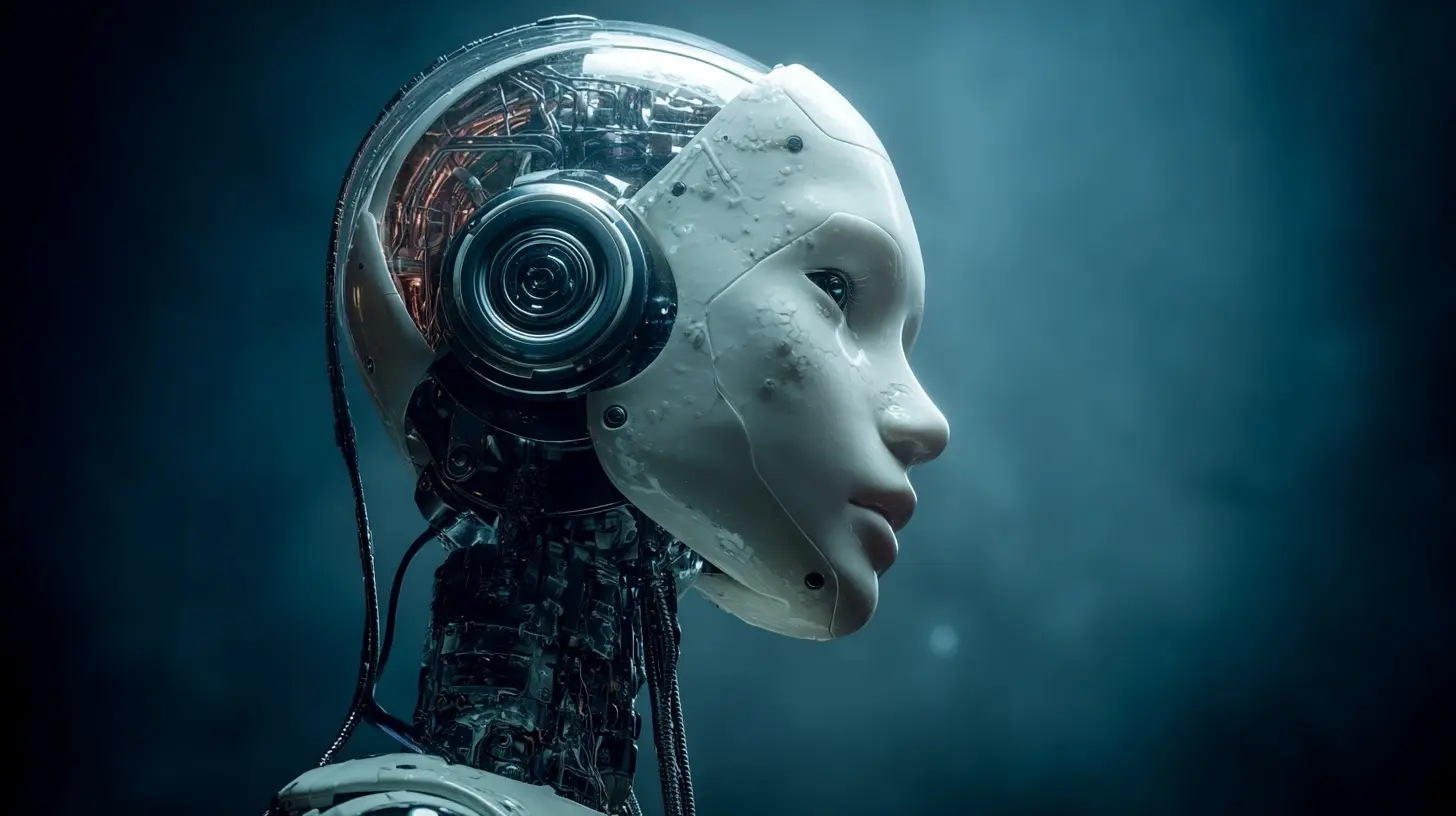
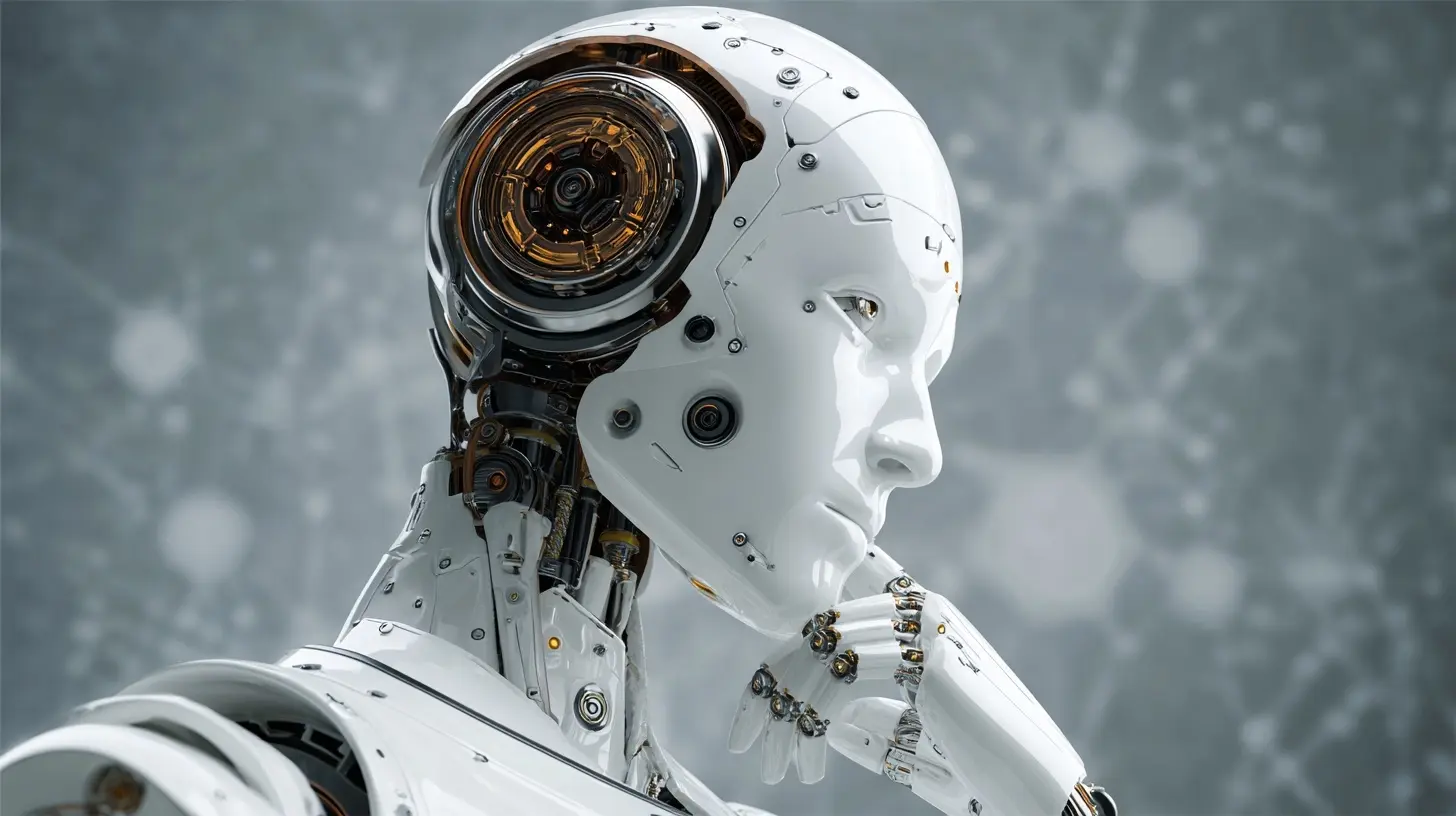
all images in this post were generated using AI tools
Category:
Technology ReviewsAuthor:

Adeline Taylor