The Ultimate Guide to Wireless Earbuds in 2027
15 October 2026
Wireless earbuds have quietly become one of the most personal pieces of technology we own. We wear them during commutes, workouts, calls, and sometimes just to mute the world for twenty minutes. By 2027, the category has matured well beyond the early days of dropped connections and tinny sound. The hardware is smaller, the software is smarter, and the price range stretches from budget-friendly to genuinely luxurious.
Yet buying a pair has not gotten simpler. If anything, the number of decisions has grown. Do you prioritize active noise cancellation or natural ambient awareness? Do you want the deepest possible bass or a neutral signature that flatters acoustic recordings? Should you stay loyal to your phone's ecosystem, or does that matter less than it used to?
This guide answers those questions. It is not a list of the best models, because those change every few months. Instead, it explains how modern earbuds actually work, what separates a great pair from a mediocre one, and how to choose based on how you live rather than on marketing claims.
Why 2027 Is a Turning Point for Earbuds
Three shifts define the current generation.First, connectivity has stabilized. Bluetooth LE Audio, the newer standard built on low-energy Bluetooth, has become common across midrange and premium earbuds. In practice, this means lower latency for video and gaming, better battery efficiency, and the ability to stream to multiple pairs of earbuds from a single source. If you have ever tried to share a movie with someone using two pairs of earbuds, you know why this matters.
Second, on-device processing has become genuinely useful. Earbuds now run small machine learning models locally, which means noise cancellation adapts to your environment in real time rather than relying on a fixed profile. Wind noise reduction during calls has improved dramatically, and voice pickup in loud places is no longer the embarrassment it once was.
Third, health sensing has arrived, but cautiously. Some earbuds now measure heart rate, body temperature trends, and even posture during exercise. The accuracy varies, and none of it replaces medical devices. Still, for casual fitness tracking, the convenience of not wearing a watch or chest strap is real.
Understanding these shifts helps you avoid paying for features you will never use and helps you recognize which ones genuinely improve daily life.
How Noise Cancellation Actually Works
Active noise cancellation, or ANC, is the feature most people ask about first. It is also the most misunderstood.The principle is straightforward. Tiny microphones on the outside of each earbud sample ambient sound. A processor generates an inverted version of that sound wave, and the earbud plays it alongside your music. The two waves meet and largely cancel each other out. This works best for steady, low-frequency noise: airplane engines, air conditioning hum, the rumble of a train.
It works poorly for sudden or high-frequency sounds. A baby crying, a dog barking, or a colleague tapping a keyboard will still get through, though often softened. No earbud on the market eliminates all sound, and any product claiming otherwise is overselling.
There is also a trade-off many buyers overlook. Stronger ANC usually means more pressure sensation in the ear, which some people find uncomfortable over long sessions. It also tends to consume more battery. If you wear earbuds for hours at a time, a moderate ANC setting with good passive isolation from well-fitted tips is often more pleasant than maximum cancellation.
Transparency Mode Is Not a Gimmick
Transparency mode, sometimes called ambient mode, does the opposite. It pipes outside sound in through the microphones so you can hear traffic, announcements, or a barista calling your name without removing the earbuds.This matters more than it sounds. In many cities, wearing earbuds that block everything while walking or cycling is genuinely dangerous. A good transparency mode makes awareness practical. The best implementations sound natural, almost as if you are not wearing anything. Weaker ones sound processed, with a slight delay or a hollow quality that makes conversation awkward.
When testing earbuds, try transparency mode in a real environment. Talk to someone. Order a coffee. If the sound feels artificial or your own voice booms in your head, that is a sign the implementation is not mature.
Sound Quality: What Actually Matters
Marketing language around audio is often vague. Terms like "studio quality" or "immersive bass" mean little without context. Here is what actually shapes how earbuds sound.Driver Design
Most earbuds use dynamic drivers, which are essentially small speakers with a moving diaphragm. Larger drivers generally move more air, which can produce deeper bass, but size alone does not determine quality. Material, tuning, and the acoustic chamber matter just as much.Some premium models use balanced armature drivers, originally developed for hearing aids. These are tiny and precise, excellent for mid and high frequencies, but they struggle with deep bass on their own. That is why many high-end earbuds combine both types: a dynamic driver for lows and a balanced armature for detail.
More drivers does not automatically mean better sound. Poorly tuned multi-driver designs can sound disjointed, with frequencies that do not blend smoothly. A single well-tuned driver often beats a crowded setup.
Tuning and Personal Preference
Sound signature is subjective. Some people love a warm, bass-forward presentation. Others prefer a neutral, analytical sound that reveals detail in acoustic recordings. Neither is wrong.What matters is matching the earbuds to your library. If you mostly listen to hip-hop, electronic, or pop, a bass-forward tuning will feel satisfying. If you listen to jazz, classical, or vocal-heavy music, a more balanced signature will serve you better.
Many modern earbuds include companion apps with equalizers. A good EQ can compensate for mild tonal preferences, but it cannot fix fundamental flaws. If the bass sounds muddy at default settings, no amount of tweaking will make it crisp.
Codecs and Connectivity
Codecs determine how audio is compressed between your phone and the earbuds. The common ones, like SBC and AAC, are fine for most listening. Higher-quality codecs such as LDAC or aptX Lossless can transmit more data, which theoretically improves fidelity.In practice, the difference is subtle, and it depends on your source material and your ears. Streaming services compress audio anyway, so the benefit of a high-end codec is limited unless you are listening to lossless files. Do not pay a premium for a codec alone. Pay for it if the rest of the package, including comfort and battery, is already strong.
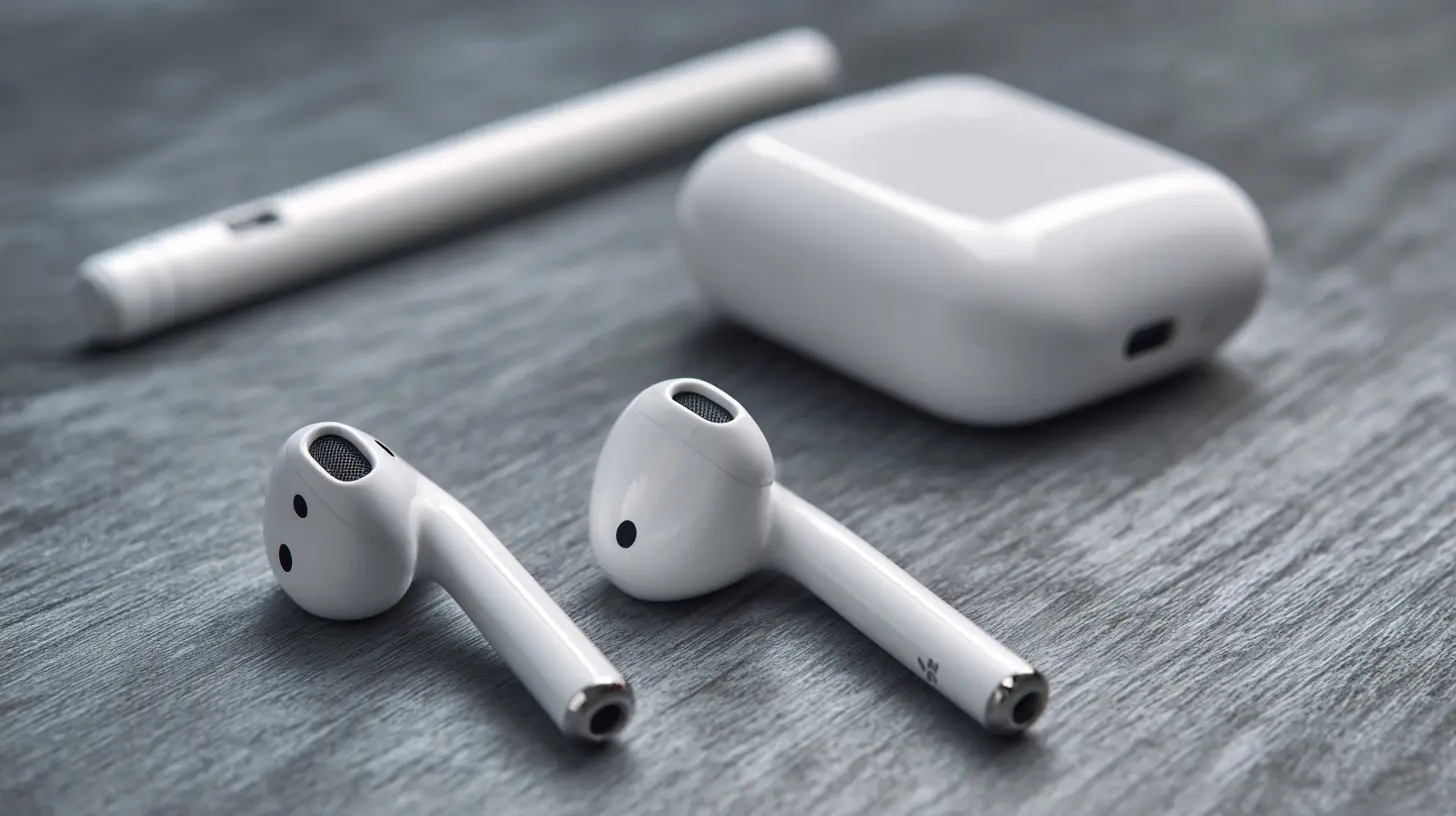
Fit, Comfort, and Why They Matter More Than Specs
You can buy the best-measured earbuds in the world and hate them within a week if they do not fit.Fit affects three things: comfort, sound, and noise isolation. A proper seal in the ear canal is what allows bass to develop and what makes passive noise blocking possible. If the seal is loose, everything suffers, including ANC performance.
Most earbuds ship with multiple sizes of silicone tips. Some include foam tips, which expand to fill the ear canal and often provide better isolation, though they wear out faster and can feel intrusive to some users. A few brands offer memory foam or hybrid designs.
The mistake many buyers make is assuming the default tips are correct. They rarely are. Spend ten minutes cycling through sizes. Try the "hum test": hum a steady note and adjust the earbud until the sound feels balanced and full. If one side sounds thinner, the seal is probably off.
For people with smaller ears, some earbuds simply will not stay in place regardless of tip size. This is not a defect. It is anatomy. If you have struggled before, look for models with a shallow insertion design or a wing that rests against the ear's outer ridge.
Battery Life: Reading the Numbers Honestly
Battery claims are usually stated as a range, like "8 hours, 32 with case." Those numbers come from controlled tests at moderate volume with ANC off. Real-world use is different.Turning on ANC can cut playback time by twenty to forty percent. Taking frequent calls drains the battery faster than music. And batteries degrade over time, so a pair rated for eight hours may deliver five or six after two years of daily use.
A practical benchmark: if you commute an hour each way and take a few calls, aim for at least six hours of real playback per charge. The case should provide at least three additional full charges. Anything less means you will be reaching for a cable more often than you would like.
Fast charging is genuinely useful. Fifteen minutes in the case for two or three hours of playback can rescue a morning when you forgot to charge overnight.
The Ecosystem Question
Apple, Samsung, Google, and others design their earbuds to work best with their own phones. Pairing is instant, settings live in the system menu, and features like spatial audio or seamless device switching work without extra apps.If you use an iPhone, AirPods will generally offer the smoothest experience. If you use a Samsung Galaxy, Galaxy Buds integrate more deeply. This is not marketing fluff. It reflects real engineering.
That said, the gap has narrowed. Most modern earbuds work fine across platforms, and the core experience, meaning sound, ANC, and calls, is largely the same. You lose some convenience features, like automatic switching between devices, but you do not lose the fundamentals.
The question to ask yourself is simple: how much do you value frictionless integration? If you switch between a phone, tablet, and laptop constantly, ecosystem matching is worth the premium. If you mostly use one device, it matters far less, and you can choose based on sound and comfort instead.
Calls and Microphones
Call quality depends on microphone arrays, beamforming, and noise reduction algorithms. Beamforming focuses the microphones on your voice and reduces sound from other directions. Noise reduction filters out steady background noise.In quiet rooms, almost any earbud handles calls well. The differences appear in noisy environments: streets, cafes, open offices, trains. This is where premium models justify their price. They isolate your voice more effectively and make you sound clearer to the person on the other end.
If calls are a major use case, read reviews that specifically test microphone performance in loud settings. General audio reviews often gloss over this, and it is one of the most common sources of disappointment.
Health and Fitness Features
Fitness-focused earbuds typically emphasize secure fit, sweat and water resistance, and sometimes built-in heart rate monitoring.Water resistance is rated with an IP number. IPX4 handles sweat and light rain. IPX7 can survive brief submersion. For most workouts, IPX4 is sufficient. If you swim, you need a specialized model, and even then, Bluetooth does not transmit well through water, so most swimming earbuds store music locally.
Heart rate monitoring in earbuds uses optical sensors that shine light through the skin. Accuracy is decent at rest but less reliable during intense movement. If precise heart rate data matters to you, a chest strap remains the gold standard. If you just want a rough sense of effort during a run, earbud sensors are adequate.
Common Mistakes Buyers Make
Buying on specs alone. A long feature list means nothing if the earbuds are uncomfortable or the app is buggy.Ignoring the return window. Fit is personal, and you cannot know how earbuds feel until you wear them for a few days. Buy from a retailer with a generous return policy.
Overpaying for ANC. If you work from home and rarely fly, you may not need top-tier cancellation. A comfortable pair with good sound and decent isolation may serve you better for less money.
Assuming newer is always better. Last year's flagship often drops in price significantly and remains excellent. The improvements year over year are usually incremental.
Neglecting the app. Many earbuds ship with firmware that improves over time. If you never open the companion app, you miss updates that fix bugs and add features.
How to Test Earbuds Before Committing
If you can try before buying, do this:1. Wear them for at least thirty minutes. Discomfort often appears after twenty.
2. Test ANC in a noisy place, ideally with low-frequency sound like traffic or a fan.
3. Make a phone call and ask the other person how you sound.
4. Try transparency mode in conversation.
5. Check the app for EQ options and firmware updates.
6. Walk briskly or jog to see if they stay in place.
These steps take an hour and will tell you more than any specification sheet.
Final Thoughts
Wireless earbuds in 2027 are remarkably capable. The floor has risen, and even budget models now offer features that were premium just a few years ago. The challenge is not finding something good. It is finding something good for you.Prioritize fit and comfort first, because nothing else matters if you dread wearing them. Then decide how much you value noise cancellation, call quality, and ecosystem integration. Sound quality is important, but it is also personal, and a well-fitted midrange pair will often outperform a poorly fitted flagship.
Buy from a seller with a fair return policy. Give yourself a week to live with your choice. And resist the urge to chase specs you will never use. The best earbuds are the ones you forget you are wearing.
all images in this post were generated using AI tools
Category:
Wireless EarbudsAuthor:

Adeline Taylor