The Rise of Multi-Use Devices and What It Means for 2026 Tech
26 September 2026
For most of computing history, the dominant design principle was specialization. A phone made calls. A camera took photos. A music player played music. A scanner scanned documents. A GPS unit handled navigation. Each device did one thing well, and the market rewarded companies that could build the best version of a single function.
That era is over, and it has been over for a while. What matters now is that the consequences of its end are finally reaching maturity. By 2026, the multi-use device will no longer be an interesting trend to observe. It will be the default assumption behind product design, software architecture, business strategy, and even how people organize their daily lives. Understanding why this happened, where the limits are, and what it means for anyone building or buying technology is no longer optional.
This article examines the rise of multi-use devices with a focus on what actually changes in 2026, where the model breaks down, and how to make sound decisions in a landscape where one piece of hardware is expected to replace several.
What a Multi-Use Device Actually Is
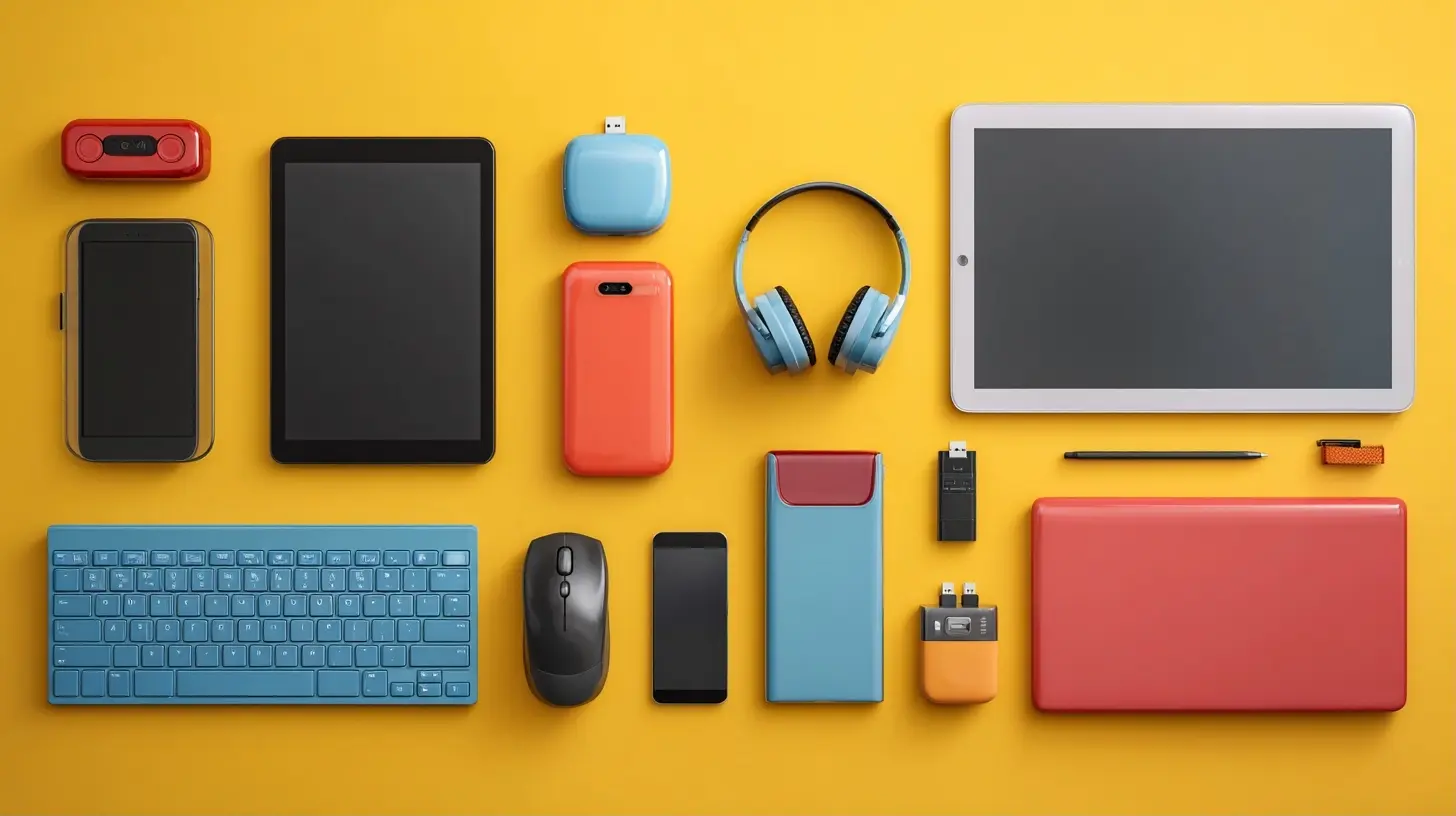
The term gets used loosely, so it helps to define it precisely. A multi-use device is a single piece of hardware that performs functions that were previously handled by two or more dedicated products, and does so at a level of competence that makes the dedicated alternatives unnecessary for most users.That last clause matters. Plenty of devices technically do many things badly. A cheap smartwatch with a mediocre camera and a weak speaker is not a multi-use device in any meaningful sense. It is a single-use device with extra features bolted on. The distinction is not about feature count. It is about whether the secondary functions are good enough that a reasonable person stops buying the separate product.
The smartphone is the canonical example. It absorbed the point-and-shoot camera, the portable music player, the GPS unit, the voice recorder, the calculator, and the handheld gaming console. Each of those categories either collapsed or retreated to a professional niche. The smartphone did not win because it did everything perfectly. It won because it did everything well enough, and it was always in your pocket.
That combination of adequate capability and constant availability is the real engine behind multi-use adoption. Convenience beats specialization whenever the performance gap is small enough that most people stop noticing it.
The Forces That Made Convergence Inevitable
Several independent trends converged to make multi-use devices the center of gravity for consumer and enterprise hardware.Miniaturization and Thermal Efficiency
The single biggest enabler is the steady improvement in chip fabrication. Processors that once required a desktop chassis and active cooling now fit into a device the size of a credit card. This is not just about raw speed. It is about performance per watt. When a device can deliver meaningful compute without draining a battery in two hours or overheating in your hand, it becomes practical to consolidate functions that previously demanded separate power budgets.Sensor Fusion
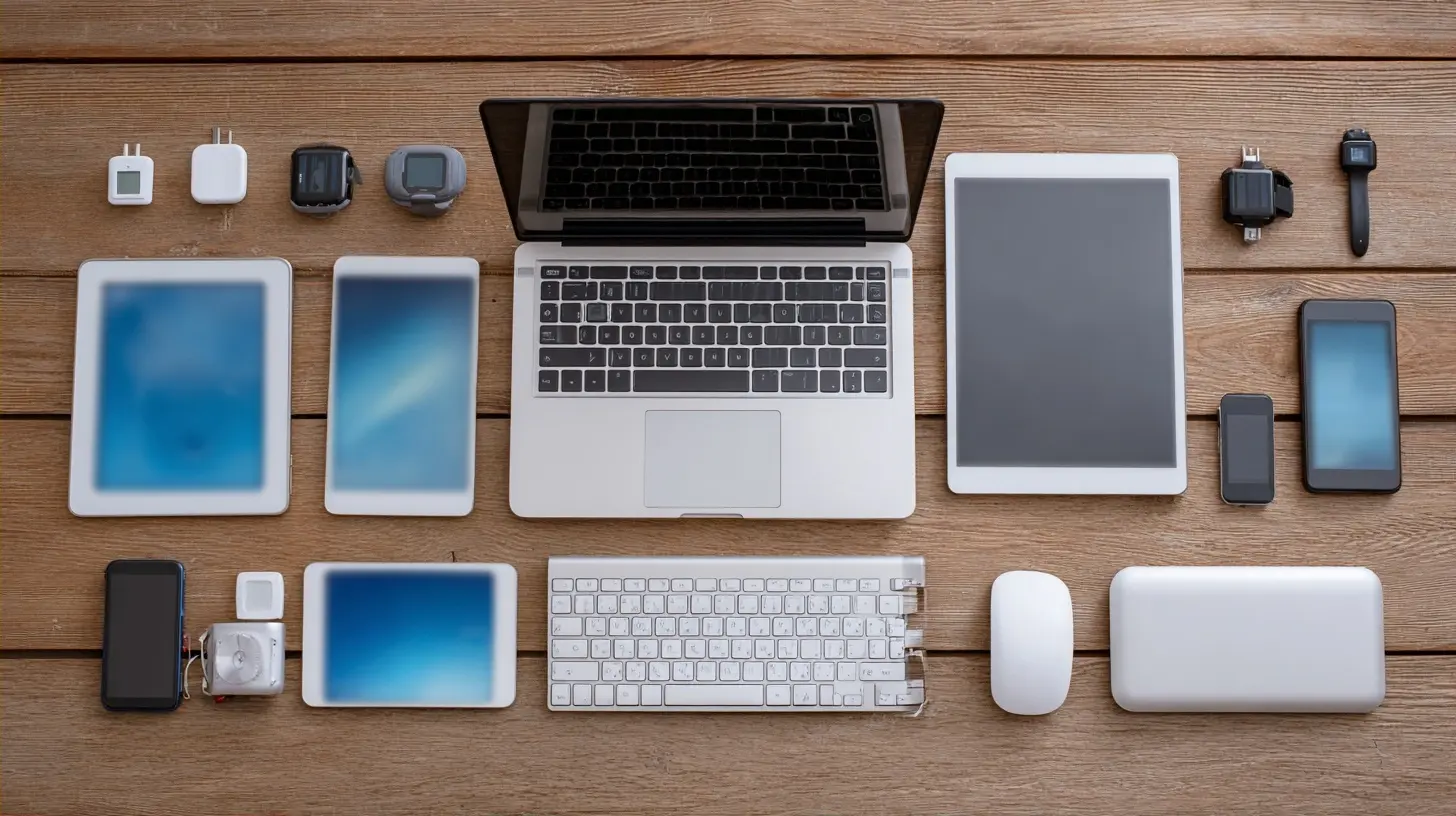
Modern devices carry accelerometers, gyroscopes, magnetometers, barometers, ambient light sensors, microphones, and multiple cameras. Individually, each is cheap and limited. Combined through software, they produce capabilities that no single sensor could deliver. This is why a phone can track steps, measure orientation, detect gestures, and stabilize video without dedicated hardware for each task. Sensor fusion turns a pile of components into a coherent instrument.Software Abstraction
The other enabler is software. When functions are implemented in software rather than dedicated silicon, they become cheaper to add, easier to update, and capable of improving after purchase. A device that shipped with one capability can gain several more through firmware and app updates. This changes the economics of hardware. You no longer sell a fixed set of features. You sell a platform that can grow.Connectivity as a Baseline
Constant connectivity means a multi-use device can offload work it cannot do locally. Heavy computation moves to the cloud. Storage lives remotely. Updates arrive automatically. The device becomes a thin, capable client rather than a self-contained machine, which lowers the hardware bar for adding new functions.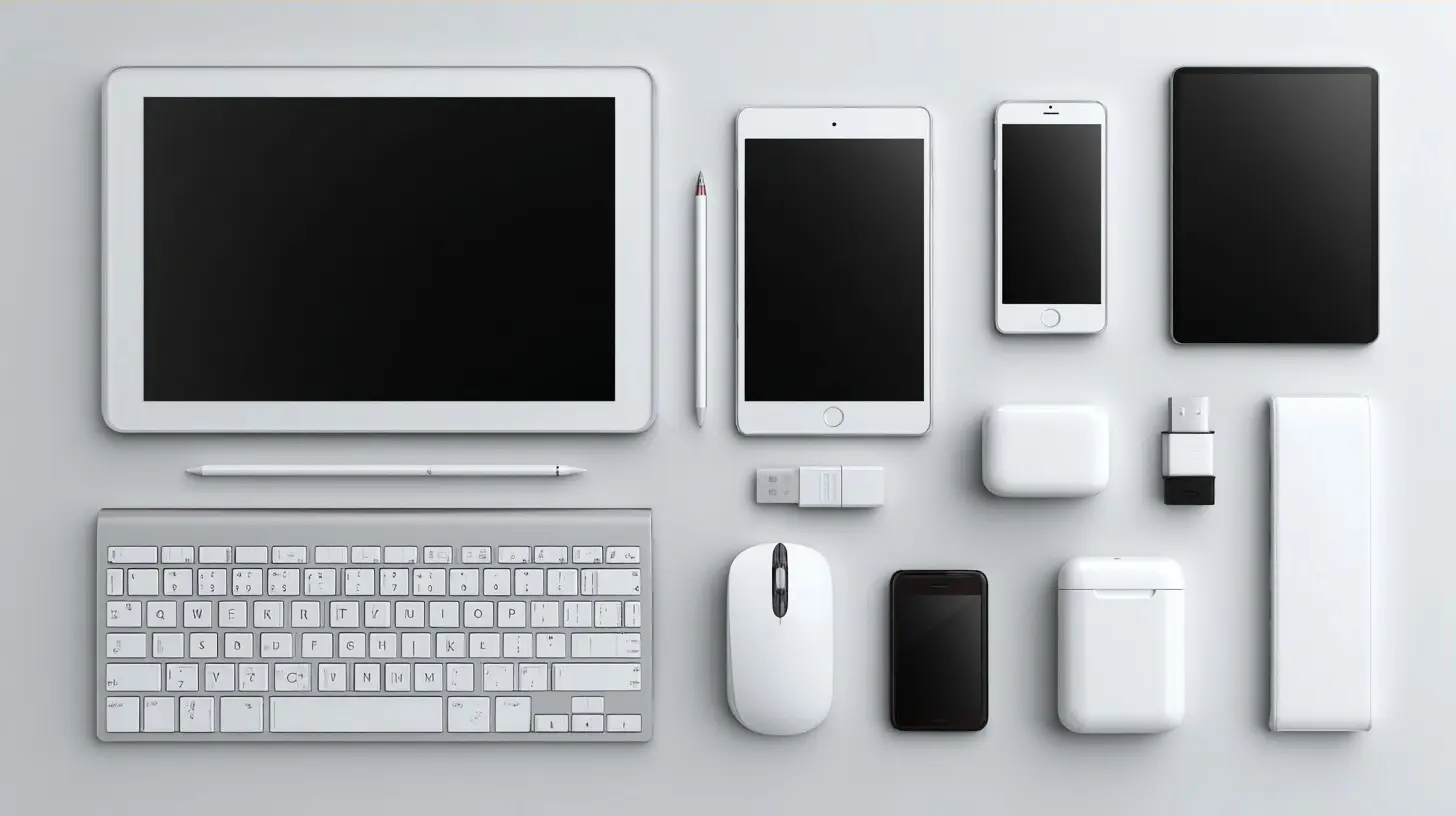
Where Multi-Use Devices Win
The advantages are real, and they explain why the model keeps spreading.Lower total cost of ownership. One device that costs 800 dollars replaces three that cost 400 each. The math is not always that clean, but for most households and small businesses, consolidation reduces upfront spending, insurance, charging infrastructure, and support overhead.
Fewer things to carry and maintain. Every additional device adds weight, cables, chargers, accounts, and update cycles. Multi-use devices reduce that administrative burden. This is not a minor convenience. It is a significant reduction in cognitive load.
Better integration. When functions live on the same device, they share data more easily. A camera can feed directly into a document scanner, which feeds into a cloud service, which feeds into a shared workspace. No syncing, no format conversion, no friction.
Faster iteration. Software-defined functions improve on the vendor's schedule, not the buyer's. A device you bought two years ago can gain capabilities you did not pay for.
Where Multi-Use Devices Fail
The failures are just as instructive, and ignoring them leads to bad decisions.The jack-of-all-trades ceiling. A device that does everything adequately rarely does anything exceptionally. Professional photographers still buy dedicated cameras because sensor size, lens quality, and ergonomics matter at that level. Audio engineers still use dedicated interfaces. The gap narrows over time, but it does not close for every use case.
Compromise by design. Every function added to a device competes for space, power, and thermal headroom. A larger camera bump makes the device harder to hold. A bigger battery makes it heavier. A brighter screen drains more power. These are not bugs. They are the physics of consolidation.
Single point of failure. When one device handles communication, navigation, payment, photography, and work, losing it is disruptive in a way that losing a single-purpose device is not. This is why serious users often carry a backup, which partially defeats the purpose.
Repairability and lifespan. Multi-use devices are harder to repair and often have shorter useful lives than the dedicated products they replace. A standalone camera can last a decade. A phone with a camera inside it is often obsolete in four years.
Security surface area. More functions mean more attack surface. A device that handles payments, identity, work email, and personal photos is a much more attractive target than a music player. This is a real trade-off, not a hypothetical one.
The 2026 Landscape: What Changes
By 2026, several shifts will have moved from emerging to established.The Laptop as the New Hub
The laptop has been absorbing functions for years, but the pace is accelerating. With cellular connectivity built in, it no longer needs a phone for internet access. With improved cameras and microphones, it handles meetings without peripherals. With local AI acceleration, it performs tasks that once required cloud services. The laptop is becoming the primary work device for a large share of knowledge workers, with the phone serving as a satellite rather than a peer.The Phone as the Universal Remote for Physical Life
Phones are increasingly the interface for cars, homes, payments, transit, identity, and health monitoring. This is not just about apps. It is about the phone becoming the credential and the controller for the physical world. By 2026, leaving your phone at home will be more disruptive than leaving your wallet, because the phone has effectively replaced the wallet.Wearables as Satellites, Not Replacements
Smartwatches and earbuds are not replacing phones. They are extending them. The watch handles notifications, health tracking, and payments. The earbuds handle audio, translation, and voice input. Together they reduce how often you need to pull out the phone. This is a different model from full consolidation. It is distributed multi-use, where several devices share the load.The Return of the Dedicated Device in Specific Niches
Counterintuitively, the rise of multi-use devices is creating renewed demand for dedicated devices in specific contexts. E-readers with e-ink screens persist because reading on a phone is unpleasant for long sessions. Dedicated audio players are returning among people who want to disconnect. This is not a contradiction. It is a correction. When the general-purpose device handles 90 percent of tasks, the remaining 10 percent becomes a premium niche worth serving.
Practical Advice for Buyers
If you are deciding what to buy in 2026, the question is not whether multi-use devices are good. It is whether they are good for your specific situation.Start with your actual usage, not your aspirational usage. Most people overestimate how much they need professional-grade tools. If you take photos for social media and family albums, a phone is enough. If you sell prints, it is not.
Calculate total cost, not sticker price. Add accessories, subscriptions, insurance, and replacement cycles. A cheaper multi-use device that lasts three years can cost more than a more expensive one that lasts six.
Consider failure modes. What happens if your primary device breaks, is lost, or is stolen? If the answer is "I am completely stuck," you need a contingency, whether that is a backup device, cloud access from another machine, or a physical fallback like a card.
Resist the upgrade treadmill. Multi-use devices improve through software, but vendors push hardware upgrades aggressively. Ask whether the new model solves a problem you actually have.
Check the repairability. Battery replacement, screen repair, and part availability matter more on a device you depend on for everything.
Practical Advice for Builders
If you design, build, or sell technology, the implications are different.Design for the primary use case first. A device that tries to be equally good at everything ends up mediocre at all of it. Pick the function that matters most and optimize for it. Let secondary functions be competent, not excellent.
Treat software as the growth path. The hardware you ship is a snapshot. The software is the trajectory. Plan for capabilities that arrive after launch.
Do not ignore the failure case. Users will lose, break, and replace your device. Make recovery easy. Make data portable. Make the transition to a replacement painless.
Watch the security model. Every added function is a new attack surface. Invest in isolation, encryption, and clear permission boundaries. A multi-use device that leaks data is worse than three single-use devices that do not.
Be honest about trade-offs. Users are not fooled by marketing that claims no compromises. They notice the weight, the battery life, and the camera bump. Acknowledging the trade-off builds more trust than pretending it does not exist.
Common Mistakes and Misconceptions
"Multi-use devices are always cheaper." Sometimes. But consolidation often means paying for capabilities you do not need, and the replacement cycle can be shorter than for dedicated devices."Dedicated devices are obsolete." They are not. They are niche. Niche is not the same as dead. The market for dedicated tools is smaller but often more profitable and more loyal.
"More features means more value." Only if the features work well and you actually use them. Feature count is a marketing metric, not a user metric.
"One device is more secure because there is less to manage." Fewer devices can mean fewer attack vectors, but a consolidated device concentrates risk. The security question depends on implementation, not on device count.
"This is just a temporary trend." Convergence has been underway for two decades and has not reversed. The specific form will change. The direction will not.
What to Watch Through 2026
A few developments will shape how this plays out.Local AI acceleration. As on-device models improve, multi-use devices will handle tasks that currently require cloud services. This reduces latency, improves privacy, and makes devices more capable without new hardware.
Battery and thermal breakthroughs. Solid-state batteries and improved cooling would remove some of the hardest constraints on consolidation. If they arrive, the pace of convergence accelerates.
Regulation and repairability laws. Right-to-repair rules in several regions are pushing manufacturers toward more modular designs. This could extend the useful life of multi-use devices and change the economics of replacement.
The identity layer. As phones become the primary credential for payments, transit, and access, the consequences of losing one grow. Expect more investment in backup identity mechanisms.
A Balanced Conclusion
The rise of multi-use devices is not a story of one technology defeating another. It is a story of economics, convenience, and software capability aligning to make consolidation the rational choice for most people most of the time. That does not make dedicated devices irrelevant. It makes them specialized, which is a different and often more sustainable position.For buyers, the practical takeaway is to match the device to the actual job, not to the marketing. For builders, the takeaway is to design for the primary function, plan for software growth, and be honest about the compromises. For everyone, the takeaway is that the question is no longer whether multi-use devices will dominate. It is how to use them well, and when to reach for something else.
The devices themselves will keep changing. The principles for choosing them will not.
all images in this post were generated using AI tools
Category:
Technology ReviewsAuthor:

Adeline Taylor