The Future of Portable Gaming: What Tech Will Look Like in 2027
25 April 2026
Let’s cut the crap: portable gaming in 2027 won’t be your dad’s Game Boy or even your current Nintendo Switch. We’re talking about a seismic shift—a collision of raw hardware power, AI-driven ecosystems, and displays that make today’s OLEDs look like Fisher-Price toys. If you think the Steam Deck is the peak, you’re in for a rude awakening. The next three years will turn handhelds into pocket-sized supercomputers that blur the line between console, PC, and cloud. Ready to strap in? Let’s tear into the future.
The Death of the "Hybrid" Lie
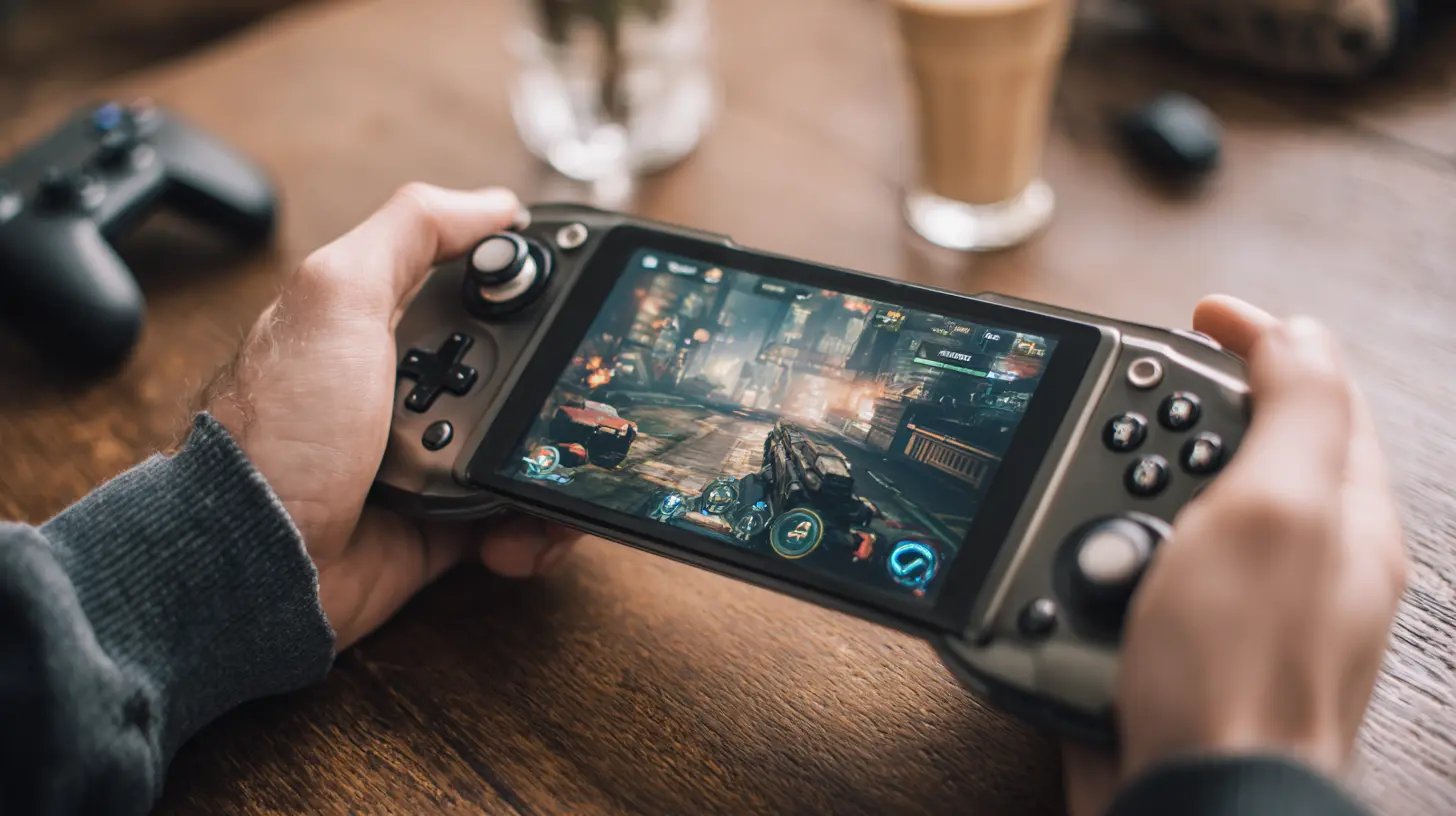
Remember when Nintendo called the Switch a "hybrid"? It was a marketing gimmick—a tablet duct-taped to a controller that throttled down to potato-mode when undocked. By 2027, that compromise is dead. The new generation of portable gaming devices will run full-fat AAA titles at native resolution, no cloud streaming required. How? Through architectural leaps that make current chips look like abacuses.The silicon revolution is real. AMD’s next-gen APUs (think Ryzen Z2 Extreme or whatever they call the beast) will pack RDNA 4 graphics with dedicated AI cores. We’re talking ray tracing in a handheld without turning it into a space heater. Nvidia isn’t sitting still either—their T239 chip (rumored for the Switch 2) will use DLSS 4.0 to upscale 720p to 4K with zero latency. The result? Games like Cyberpunk 2077 at 60fps in your hands. No joke.
But here’s the kicker: battery life won’t suck. By 2027, solid-state batteries (think graphene or lithium-sulfur) will double energy density. Imagine playing Elden Ring on a plane for six hours without plugging in. That’s not a dream—it’s engineering hitting escape velocity.
Displays That Hurt Your Eyes (In a Good Way)
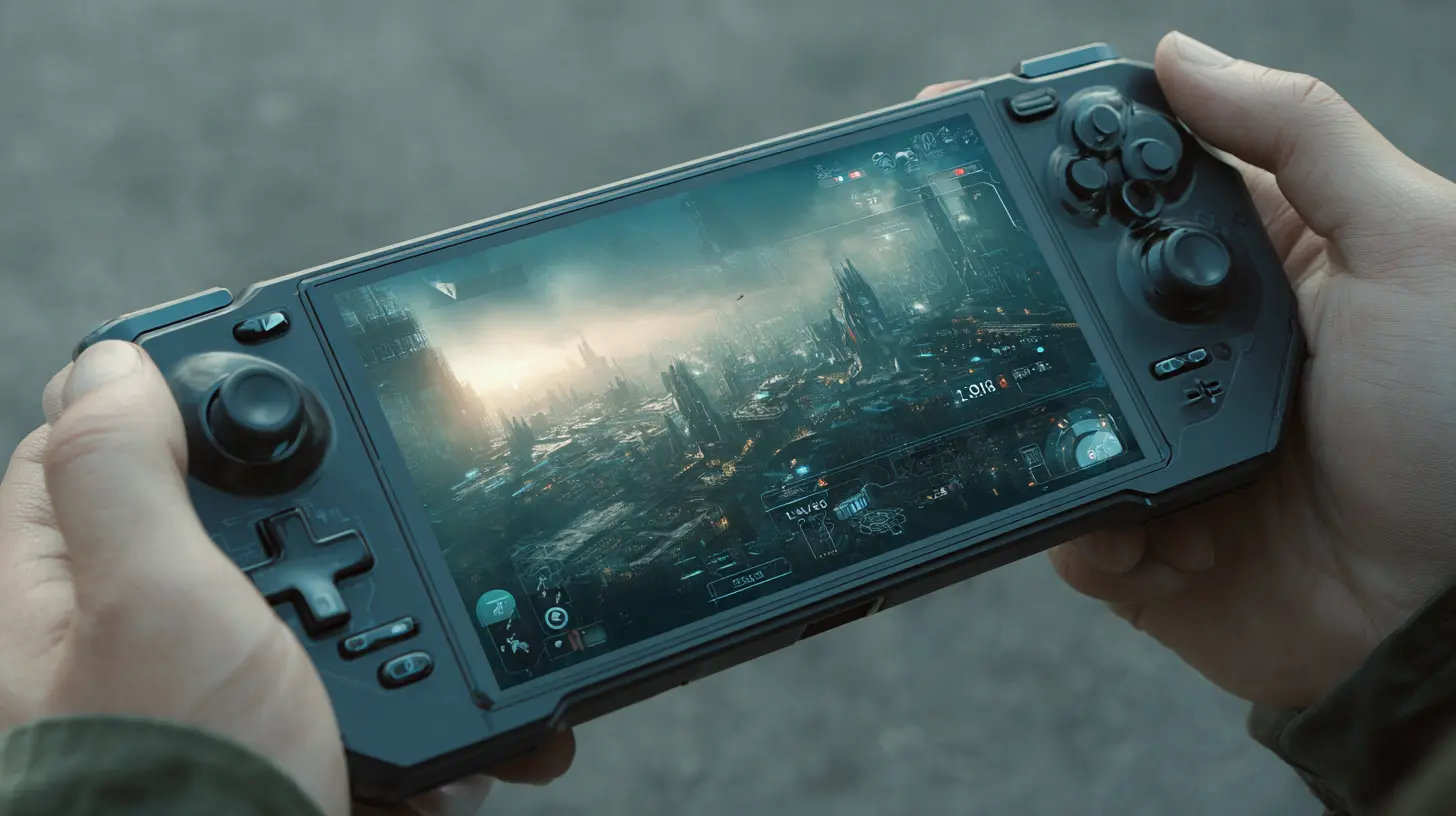
The screen is your window to the game world, and 2027 is ripping the curtains off. We’re leaving LCD and even OLED behind for microLED and quantum dot panels. These aren’t just brighter—they’re smarter. Imagine a 7-inch display with 2000 nits peak brightness, 10-bit color depth, and a 240Hz refresh rate. That’s not a monitor; that’s a portable HDR masterpiece.But wait—there’s more. Variable refresh rate (VRR) will be baked into the panel itself, not just the GPU. This means no screen tearing, no stutter, even when the frame rate dips. And for the love of god, we’re finally getting true HDR in handhelds. No more washed-out blacks or crushed shadows. You’ll see every detail in a dark dungeon, even in direct sunlight.
Oh, and resolution? 1440p native is the new baseline. 4K is for external monitors. The pixel density on these 6-8 inch screens will be so high you’d need a microscope to see individual dots. It’s like holding a 65-inch OLED in your palms—without the neck pain.
Haptics That Make You Feel the Rain
Forget rumble motors that sound like a dying blender. By 2027, haptic feedback will be indistinguishable from real touch. Sony’s DualSense already showed us the path, but portable devices will take it further. Think localized haptics—each trigger, each analog stick, each shoulder button will have its own actuator. You’ll feel the texture of gravel under a car tire or the subtle heartbeat of a character through the grips.This isn’t just about immersion; it’s about accessibility. Imagine a game where you can feel the direction of an incoming attack through the left side of the device. Or a racing sim where the triggers vibrate with engine RPM. Developers will treat haptics as a core gameplay mechanic, not a gimmick. And yes, third-party accessories will try to copy it—but the built-in systems will be so good you won’t need them.
The Cloud Isn’t the Enemy—It’s the Backup
Let’s address the elephant in the room: cloud gaming. It’s been hyped to death, but in 2027, it finally makes sense—not as a replacement, but as a safety net. Your handheld will have a local SSD (2TB minimum, PCIe 5.0 speeds) for your library, but when you’re out of storage or want to play a game you don’t own, the cloud kicks in seamlessly.Here’s the trick: edge computing. Instead of streaming from a server in another country, your device will connect to local nodes—think 5G towers with mini data centers. Latency drops to under 5ms. You’ll play Call of Duty on a subway with zero lag. And if the connection drops? The device intelligently caches the next 30 seconds of gameplay. No buffering, no stuttering.
But the real game-changer is AI-driven cloud offloading. Your handheld’s local chip will handle physics and input, while the cloud renders the graphics. It’s like having a gaming PC in your backpack that’s actually a server farm. This hybrid approach means you can play Starfield at max settings on a device that weighs less than a can of soda.
Controllers That Shape-Shift
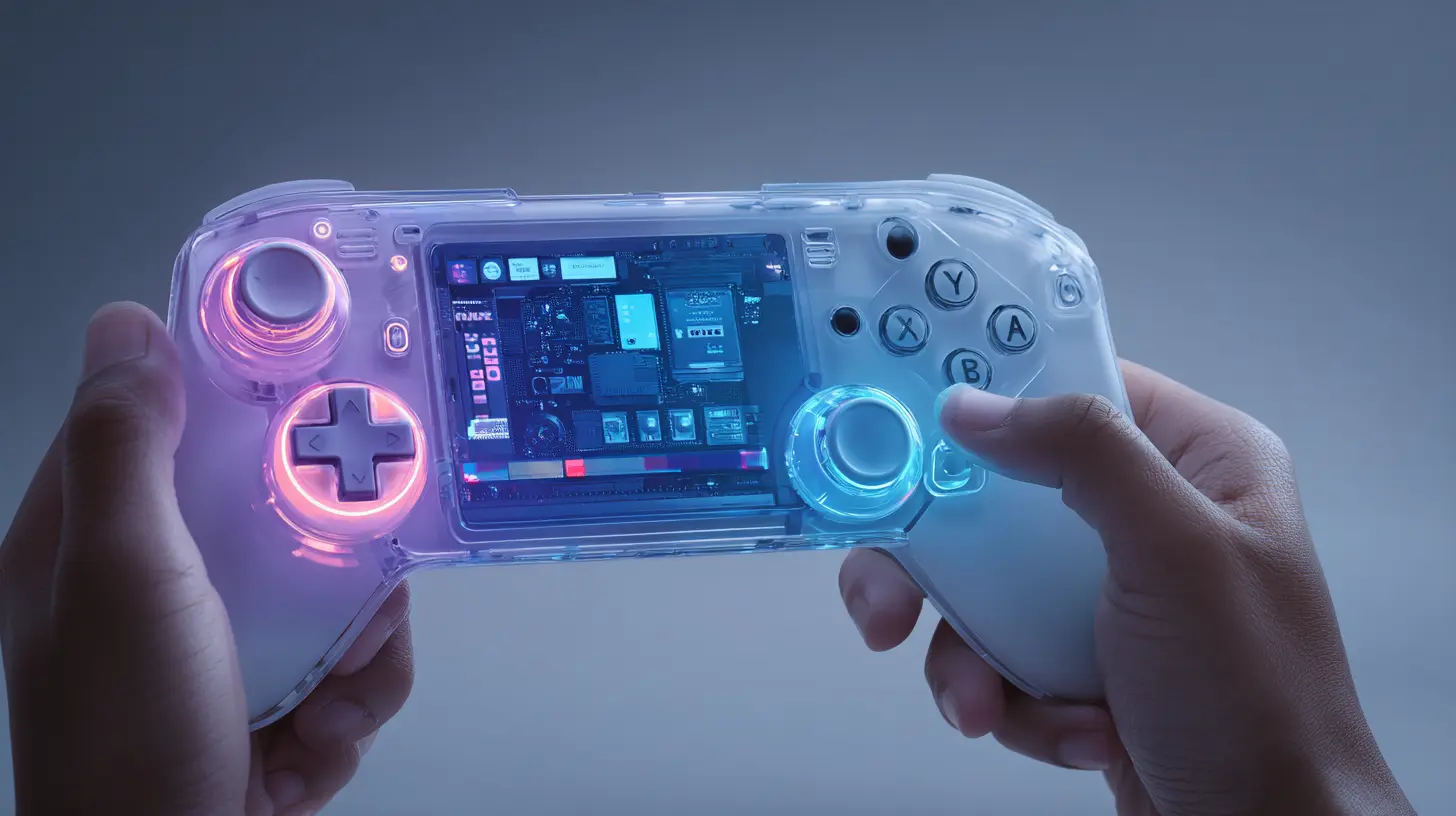
The era of fixed button layouts is over. By 2027, modular controllers will be standard. Imagine a handheld where the grips slide off, the D-pad swaps with an analog stick, and the triggers adjust resistance based on the game. This isn’t science fiction—it’s already happening in prototypes.But here’s the wild part: shape-memory materials. The controller’s shell will physically morph to fit your hands. Play a fighting game? The buttons rise and become clicky. A racing sim? The triggers extend and add haptic detents. An RPG? The face buttons smooth out for quick menu navigation. It’s like having a Swiss Army knife for your thumbs.
And for the love of ergonomics, weight distribution will finally be addressed. No more hand cramps after 20 minutes. The battery will be housed in the back, the motherboard in the center, and the screen in the front—all balanced to perfection. You’ll forget you’re holding a gaming device; it’ll feel like an extension of your nervous system.
AI That Plays Better Than You (And Helps You Improve)
This is where it gets spicy. AI co-pilots will be built into the operating system, not just games. Imagine this: you’re stuck on a boss fight. Instead of watching a YouTube guide, you tap a button, and the AI analyzes your gameplay in real-time. It suggests a different weapon, points out attack patterns you missed, or even takes over for a few seconds to show you the correct dodge timing.But it goes deeper. Procedural AI will generate custom challenges based on your skill level. If you’re breezing through a game, the AI ramps up enemy aggression. If you’re struggling, it subtly adjusts loot drops or enemy health. This isn’t cheating—it’s adaptive difficulty done right. And it’s all running locally, no internet required.
Oh, and voice commands? They’ll be so accurate you can whisper “save state” and the device obeys. No more fumbling for menus mid-combat. The AI will even predict what you want to do next—like automatically switching to a healing item when your health drops below 20%. It’s creepy, but damn if it isn’t useful.
The Library Problem: Backward Compatibility or Bust
Here’s the harsh truth: no one wants to rebuy their games. By 2027, every major portable will support backward compatibility through emulation or native ports. But the real genius is universal save syncing. You’ll start Zelda on your handheld, continue on your TV, and finish on your phone—all without thinking about it.But what about older games? Forget about them being locked to ancient hardware. AI-driven upscaling will make Super Mario 64 look like a modern indie title. Texture packs, shader mods, and even full remasters will be applied automatically by the device. It’s like having a time machine for your library.
And for the love of god, no more proprietary storage. By 2027, all handhelds will use standard M.2 2230 SSDs or even microSD Express cards. You’ll buy a 4TB drive from Amazon, pop it in, and have your entire Steam library ready to go. The era of paying $100 for a 128GB memory card is over.
The Social Side: Streaming Without the Setup
Let’s be real: nobody wants to set up OBS on a handheld. By 2027, hardware-accelerated streaming will be as simple as pressing a button. The device will encode your gameplay in AV1 at 4K/60fps, mix in your mic audio, and push it to Twitch or YouTube—all while you play at max settings. No performance hit. No extra software.But here’s the kicker: social features baked into the OS. You’ll be able to join a friend’s game instantly, share a clip with a tap, or even watch a streamer’s gameplay inside your device’s overlay. It’s like Discord, Twitch, and Steam had a baby, and that baby is your handheld.
And for the competitive crowd? Built-in anti-cheat at the hardware level. No more aimbots or wallhacks. The device’s security chip will verify game integrity, and any tampering will brick the unit. It’s draconian, but it’s the only way to keep multiplayer fair.
The Price: You’ll Pay for Quality (But It’s Worth It)
Let’s not sugarcoat it: a 2027 portable gaming device won’t be cheap. Expect to drop $700-$1,200 for a flagship model. But here’s the thing—you’re not just buying a console. You’re buying a productivity device, a media player, and a gaming rig all in one. With modular upgrades (swappable SSDs, battery packs, even cooling fans), it’ll last you five years or more.Compare that to buying a Nintendo Switch, a PlayStation 5, and a gaming laptop. The portable wins on value and portability. And with subscription services like Xbox Game Pass, PlayStation Plus, and Steam Deck’s library, you’ll never run out of things to play.
The Elephant in the Room: Nintendo’s Next Move
I can’t talk about portable gaming without mentioning the 800-pound gorilla. Nintendo’s next console (let’s call it the Switch 2, though it might be named something else) will likely launch in 2025-2026. By 2027, it’ll have matured—and it won’t be a joke.Rumors point to a device with a custom Nvidia chip, DLSS 4.0, 12GB of RAM, and a 7-inch 120Hz OLED. But here’s the twist: Nintendo will focus on gameplay innovation, not raw power. Expect motion controls that are actually good, haptics that simulate weight, and a new gimmick (maybe a detachable second screen?) that makes you wonder why no one thought of it before.
But the real question is: will Nintendo finally support third-party AAA games natively? If they do, the Switch 2 could dominate. If not, it’ll be a niche device for Mario and Zelda fans. My bet? They’ll compromise—a hybrid that runs Nintendo exclusives at 4K and third-party games at 1080p.
The Verdict: We’re Living in the Golden Age
Let’s zoom out. Portable gaming in 2027 isn’t just about better specs—it’s about freedom. Freedom to play anywhere, anytime, with anyone. Freedom from compromises like low graphics or short battery life. Freedom to own your library, mod your games, and stream your sessions without hassle.The tech will be expensive, complex, and sometimes intimidating. But it’ll also be magical. Imagine holding a device that can run The Witcher 4 at max settings, stream your gameplay to a friend across the world, and last an entire cross-country flight. That’s not a fantasy—it’s a roadmap.
So, are you ready? Because the future isn’t coming. It’s already being assembled in labs, tested in prototypes, and whispered about in developer forums. By 2027, you’ll look back at today’s handhelds and laugh. And then you’ll pick up your new device, load up your favorite game, and realize that the future of portable gaming is finally, gloriously, here.
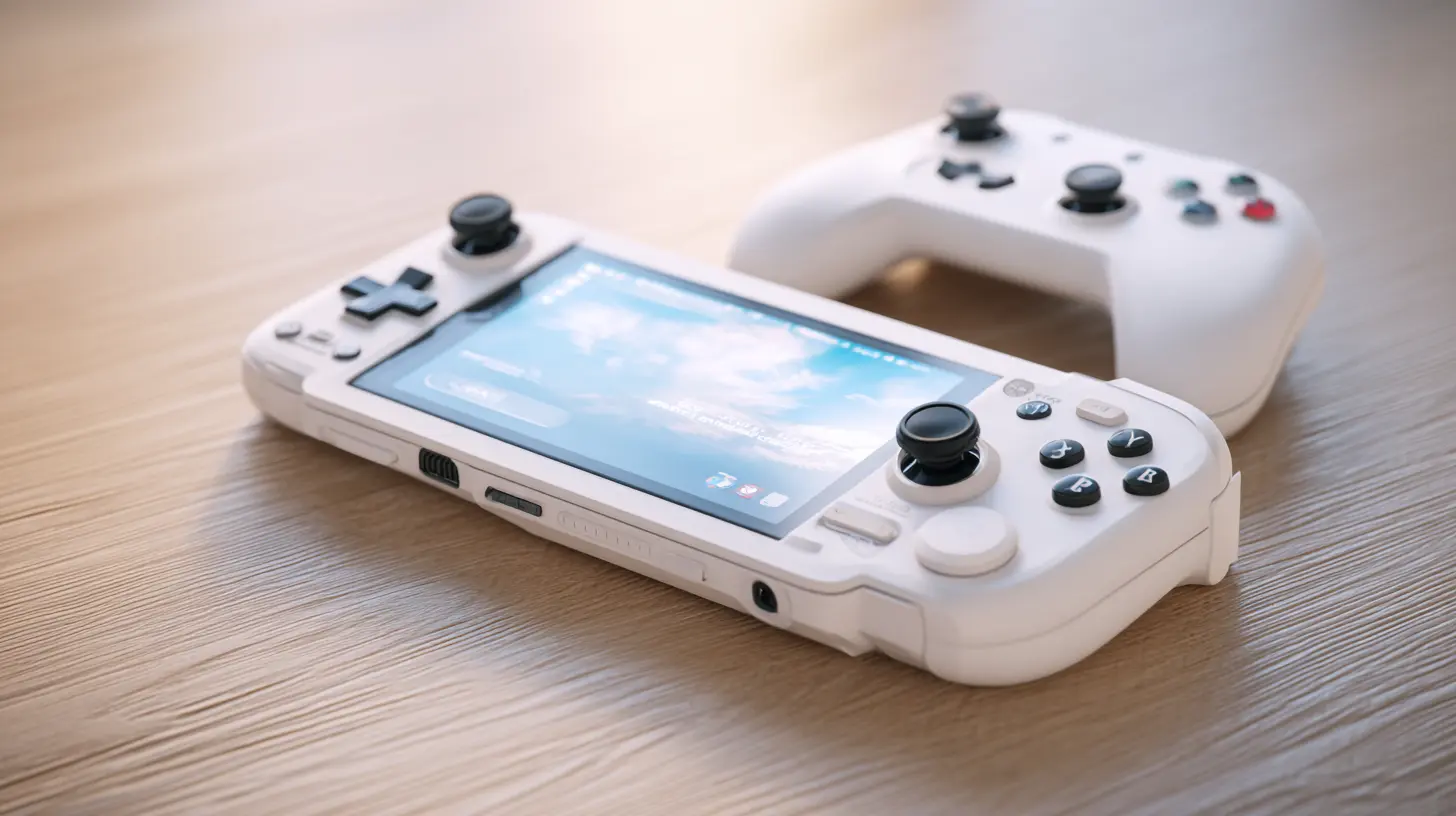
all images in this post were generated using AI tools
Category:
Technology ReviewsAuthor:

Adeline Taylor
Discussion
rate this article
2 comments
Elsinore Rhodes
Exciting times ahead for gamers!
May 6, 2026 at 10:24 AM
Adeline Taylor
Absolutely! The advancements in portable gaming tech are sure to bring amazing experiences. Exciting times indeed!
Kristen McTigue
Great insights on the future of portable gaming! Excited to see how technology evolves by 2027. With innovations on the horizon, gaming experiences will surely become even more immersive and accessible!
April 26, 2026 at 2:49 AM
Adeline Taylor
Thank you! I’m excited too—there’s so much potential for innovation in portable gaming by 2027!