The Future of Foldable Phones: What’s Next?
27 May 2026
Foldable phones—remember when they were just a sci-fi fantasy? Fast forward a few years, and here we are, living in a world where foldable smartphones aren’t just concepts—they're real, they’re shiny, and they’re slowly inching towards being mainstream. But what does the future look like for this exciting (and ever-evolving) technology? Are foldable phones just a passing fad, or are they the true future of mobile devices?
In this article, we’ll dive into the current state of foldable phones, what advancements we can expect in the near future, and whether foldables will continue to change the way we interact with technology. Buckle up, because the future of foldable phones is looking wild!
The Rise of Foldable Phones: A Quick Recap
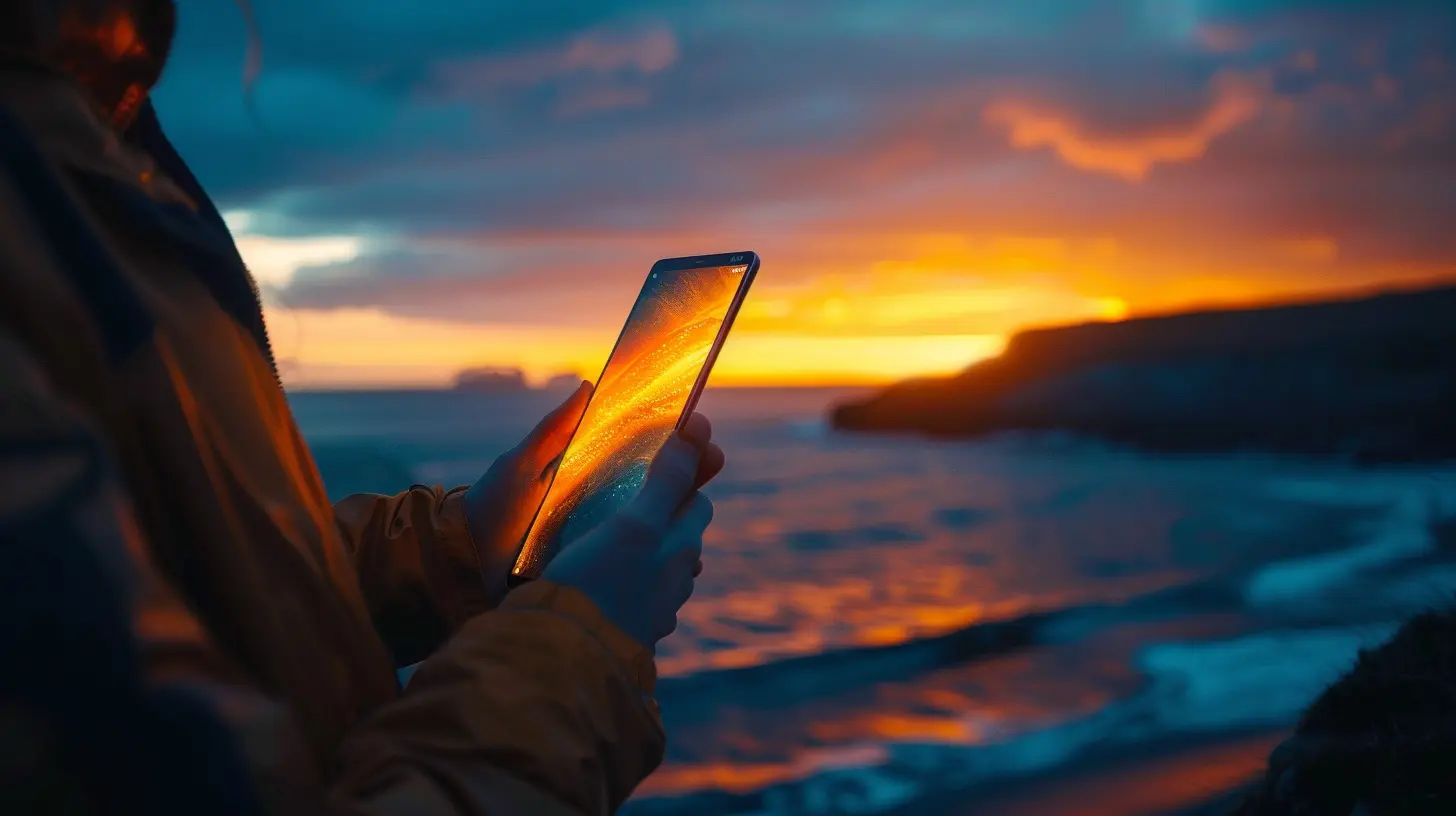
Before we start daydreaming about the future, let’s quickly revisit how foldable phones even became a thing. The foldable phone revolution began just a few short years ago, with the first notable devices like the Samsung Galaxy Fold, Huawei Mate X, and Motorola Razr hitting the shelves. These phones promised to merge the portability of a smartphone with the spaciousness of a tablet, all while offering an eye-catching, futuristic design.At first, foldable phones seemed like they were straight out of a sci-fi movie. But as with any new tech, the initial releases were met with a mix of awe and skepticism. Early models had their fair share of issues—fragile screens, hinge problems, and eye-watering price tags. Yet, despite these challenges, foldable phones have steadily improved and are becoming more refined with each new iteration.
Current Trends in Foldable Technology
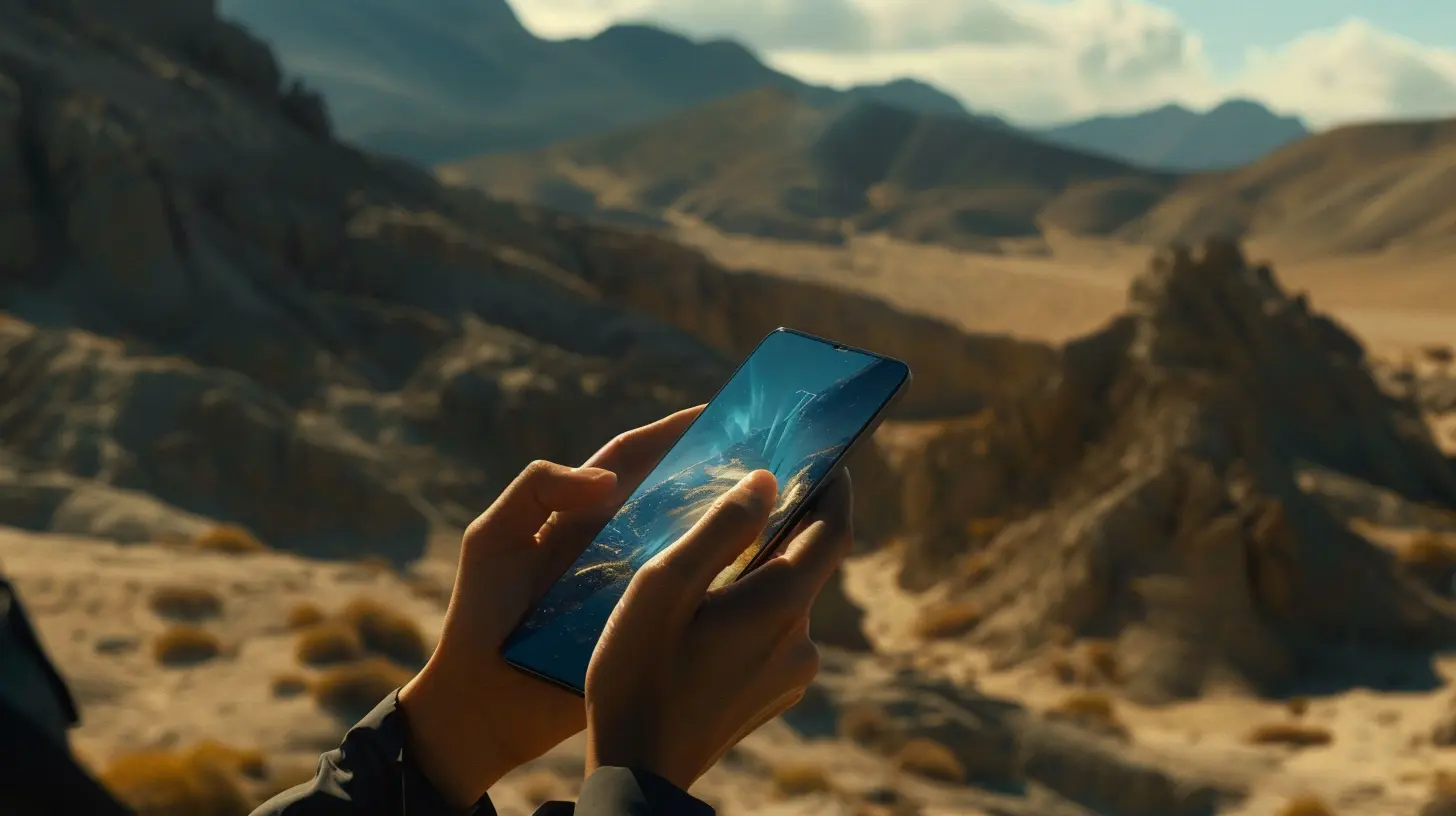
While foldable phones are still a niche market, they’re growing in popularity. Companies like Samsung, Huawei, and Motorola have invested heavily in foldable technology, introducing new models that are sleeker, more durable, and packed with features.Here are some key trends we’re seeing in the foldable phone space today:
1. Durability Improvements
One of the biggest criticisms of early foldables was their fragility. Foldable displays were prone to scratches, and the hinge mechanisms were often weak points. But fast-forward to recent models like the Samsung Galaxy Z Fold 4 or Huawei Mate X2, and we’re starting to see significant improvements. Manufacturers are incorporating ultra-thin glass and more robust hinge systems that can withstand repeated folding.2. Better Multitasking Features
One of the main advantages of foldable phones is the ability to multitask. Who wouldn’t want to run multiple apps side by side on a screen the size of a mini-tablet? Foldables like Samsung’s Z Fold series have focused heavily on enhancing multitasking capabilities, allowing users to drag and drop between apps, run up to three apps simultaneously, and even resize windows on the fly.3. More Affordable Options
While foldable phones are still expensive, we’re starting to see more budget-friendly options hit the market. Devices like the Samsung Galaxy Z Flip 3 brought foldable tech to a slightly more affordable price point, making it accessible to a broader audience. As the technology matures, we can expect prices to drop further, making foldables a realistic option for more people.4. Innovation in Design
Foldable phones are pushing the boundaries of smartphone design. From clamshell designs like the Motorola Razr to dual-screen devices like the Microsoft Surface Duo, the form factors are as varied as they are creative. This experimentation is giving consumers more choices, and it’s exciting to think about how these designs might evolve in the future.So, what’s next for foldable phones? Let’s break down some of the predictions and possibilities for the future of this rapidly growing sector.
What’s Next for Foldable Phones?
1. Rollable and Stretchable Displays
While foldable screens are cool, what if your phone could roll out like a scroll or stretch like a rubber band? That’s not as far-fetched as it sounds. Companies like LG and TCL have already showcased concepts for rollable and stretchable displays. Imagine a phone that looks like a normal smartphone, but when you need more screen real estate, it unrolls into a larger device. Pretty neat, right?These new display technologies could solve some of the issues that foldables face, such as the visible crease you get with a folding device. Rollable displays, for example, would eliminate the need for a hinge entirely, making for a smoother, more seamless screen experience.
2. Improved Battery Life
If there’s one thing we can all agree on, it’s that our phones never seem to have enough battery life. Foldable phones, with their larger displays, tend to drain battery even faster. However, as battery technology improves, we can expect future foldables to have significantly better battery life.We’re already seeing advancements in solid-state batteries, which promise to offer more power in a smaller form factor. Combined with more efficient software, future foldable phones could easily last all day—maybe even longer—on a single charge.
3. 5G and Beyond
5G is already here, and it’s making mobile devices faster and more connected than ever. But in the future, we’ll likely see foldable phones that fully take advantage of not just 5G, but possibly 6G or even 7G networks. These networks will offer ultra-low latency and blazing-fast speeds, making foldable phones even more capable for tasks like cloud gaming, streaming 4K/8K video, and augmented reality (AR) applications.4. Augmented Reality and Virtual Reality Integration
Speaking of AR, foldable phones could play a huge role in the future of augmented reality and virtual reality. Imagine unfolding your phone and being able to project a 3D AR image right in front of you. Or using your foldable device as a controller for a fully immersive VR experience.Future foldable phones could serve as the perfect bridge between today’s smartphone technology and the AR/VR devices of tomorrow. With companies like Apple reportedly working on AR glasses, foldable phones could be the missing link between the two worlds.
5. Eco-Friendly Materials
Sustainability is becoming a significant focus in the tech world, and foldable phones are no exception. Future models could be made from more eco-friendly materials, such as recycled metals or biodegradable plastics. Additionally, manufacturers are working on ways to make foldable devices easier to repair and recycle, which would help reduce the environmental impact of these high-tech gadgets.6. More Versatile Form Factors
While we’ve seen the clamshell and book-style foldables, the future could bring even more versatility to device form factors. We could see devices that fold in multiple directions or even have detachable components that can be reconfigured based on the user’s needs. Imagine a phone that can fold into a tablet, a laptop, or even a smartwatch, depending on how you fold or snap it together. The possibilities are virtually endless!
Challenges Ahead for Foldable Phones
While the future of foldable phones looks promising, it’s important to note that there are still some challenges to overcome.1. Durability
Despite significant improvements, durability remains a concern for foldable phones. The foldable displays are still more fragile than traditional screens, and the hinge mechanisms are potential weak points. Manufacturers will need to continue working on ways to make foldable devices more rugged and resistant to everyday wear and tear.2. Price
Foldable phones are expensive, and while prices are coming down, they’re still out of reach for many consumers. Until the technology becomes more cost-effective to produce, foldable devices will likely remain a luxury item.3. App Optimization
Not all apps are optimized for foldable screens. While some developers have embraced the new form factors, others have been slower to adapt. For foldable phones to truly take off, we’ll need to see more widespread app support and optimization for these unique devices.Will Foldable Phones Become Mainstream?
This is the million-dollar question. Will foldable phones become mainstream, or are they destined to be a niche product?It’s hard to say for sure, but all signs point to foldable phones becoming a more significant part of the mobile landscape in the coming years. As the technology continues to improve, prices drop, and more consumers experience the benefits of foldable devices, it’s likely that we’ll see foldables become a standard option alongside traditional smartphones.
That being said, foldable phones may never replace traditional smartphones entirely. Instead, they could coexist as a premium option for users who want more versatility and screen real estate in their devices.
Conclusion
The future of foldable phones is exciting, to say the least. From rollable displays to AR integration and eco-friendly materials, the possibilities are endless. While challenges like durability and price still need to be addressed, there’s no denying that foldable phones are here to stay—and they’re only going to get better.Whether you’re already a foldable phone enthusiast or you’re still on the fence, one thing is clear: the next few years are going to bring some incredible innovations to the world of mobile technology. So, keep an eye out—because the future of foldable phones is just around the corner!
all images in this post were generated using AI tools
Category:
Tech InnovationsAuthor:

Adeline Taylor
Discussion
rate this article
2 comments
Beau McClendon
Exciting innovations ahead for foldable phones!
July 10, 2026 at 4:48 AM
Adeline Taylor
Absolutely! The possibilities are endless, and I can't wait to see how they evolve.
Xavier Coleman
Oh great, another article on foldable phones. Because what we really need is a gadget that can't decide if it wants to be a phone or a tablet. I can hardly wait for the next generation of pocket-sized origami. What a time to be alive... or not!
May 31, 2026 at 3:02 AM
Adeline Taylor
I get your point. Foldable phones are definitely a mixed bag, but they could change how we use devices. Innovation can be hit or miss, but I'm curious to see where it goes.