The Evolution of Chatbots with Deep Learning by 2027
27 April 2026
Let’s be honest: you’ve probably yelled at a chatbot before. Maybe it was that frustrating customer service bot that kept asking, “How can I help you today?” while you were already crying into your keyboard. Or maybe you’ve had a surprisingly deep conversation with an AI that made you wonder, Wait, is this actually a person?
Well, hold onto your hats, because by 2027, the chatbot landscape is going to look nothing like it does today. We’re not just talking about slightly better responses—we’re talking about a full-blown evolution powered by deep learning. Think of it like the difference between a flip phone and a smartphone. One is functional; the other changes how you live.
In this article, I’m going to walk you through the wild, weird, and wonderful transformation of chatbots from clunky rule-followers to intuitive, almost-human conversationalists. And I’ll do it without the jargon-heavy fog—just clear, honest talk about where we’re headed.
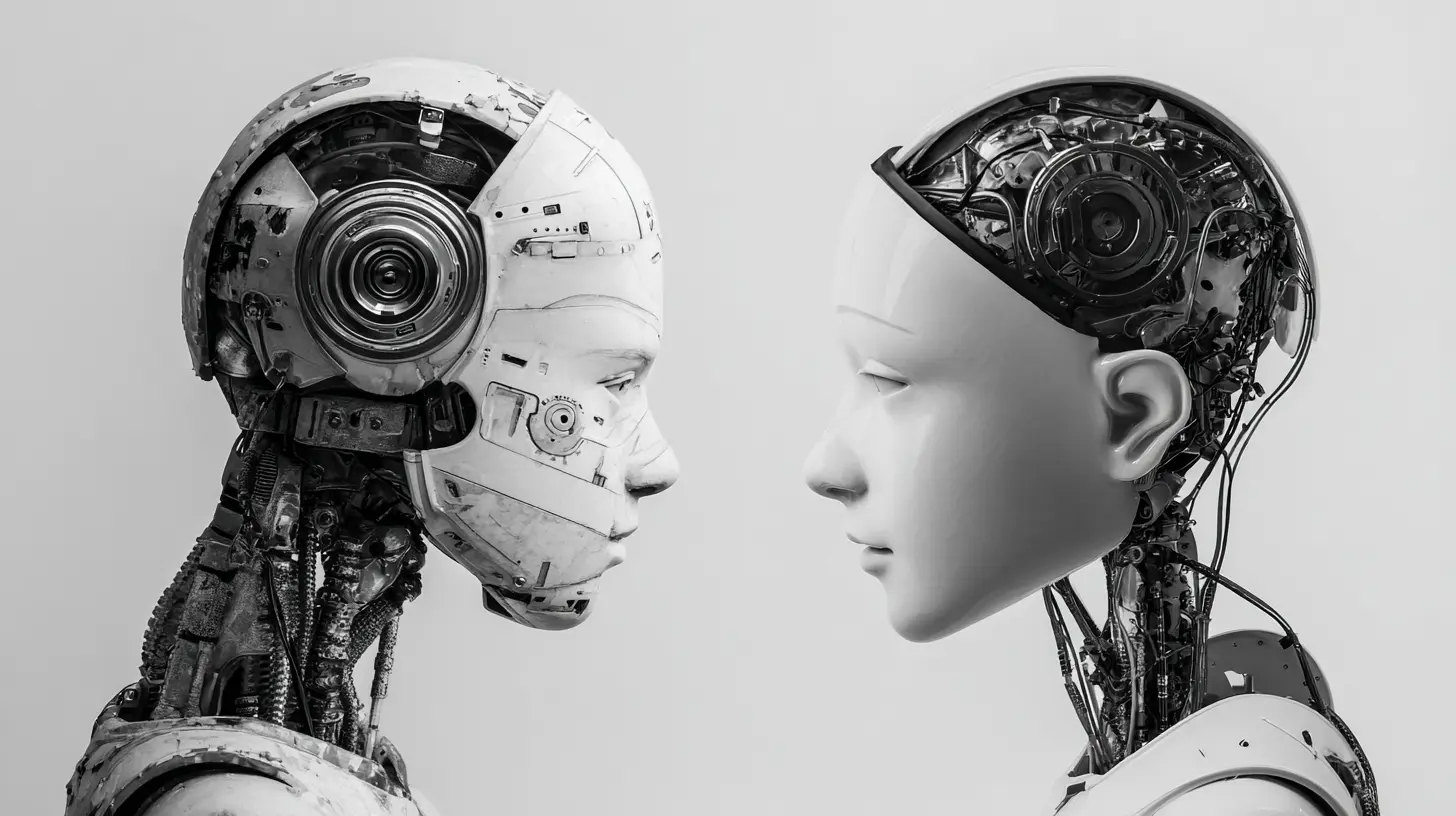
The Starting Line: Where Chatbots Were (And Why We Laughed at Them)
Remember the early days? Chatbots were basically digital parrots. They’d repeat the same canned responses, get confused by typos, and often end up in a loop that sounded like a broken record. “I’m sorry, I didn’t understand that. Please try again.” Sound familiar?These bots ran on simple rule-based systems. You’d say “Hi,” and they’d say “Hello, how can I help you?” If you said “I’m sad,” they’d probably offer you a link to a FAQ about sadness. It was like talking to a vending machine that only sold one flavor of soda.
But here’s the kicker: we still used them. Why? Because they were cheap, available 24/7, and better than nothing. But deep down, we all knew they were just digital puppets. The real magic—the kind that makes you feel understood—was missing.
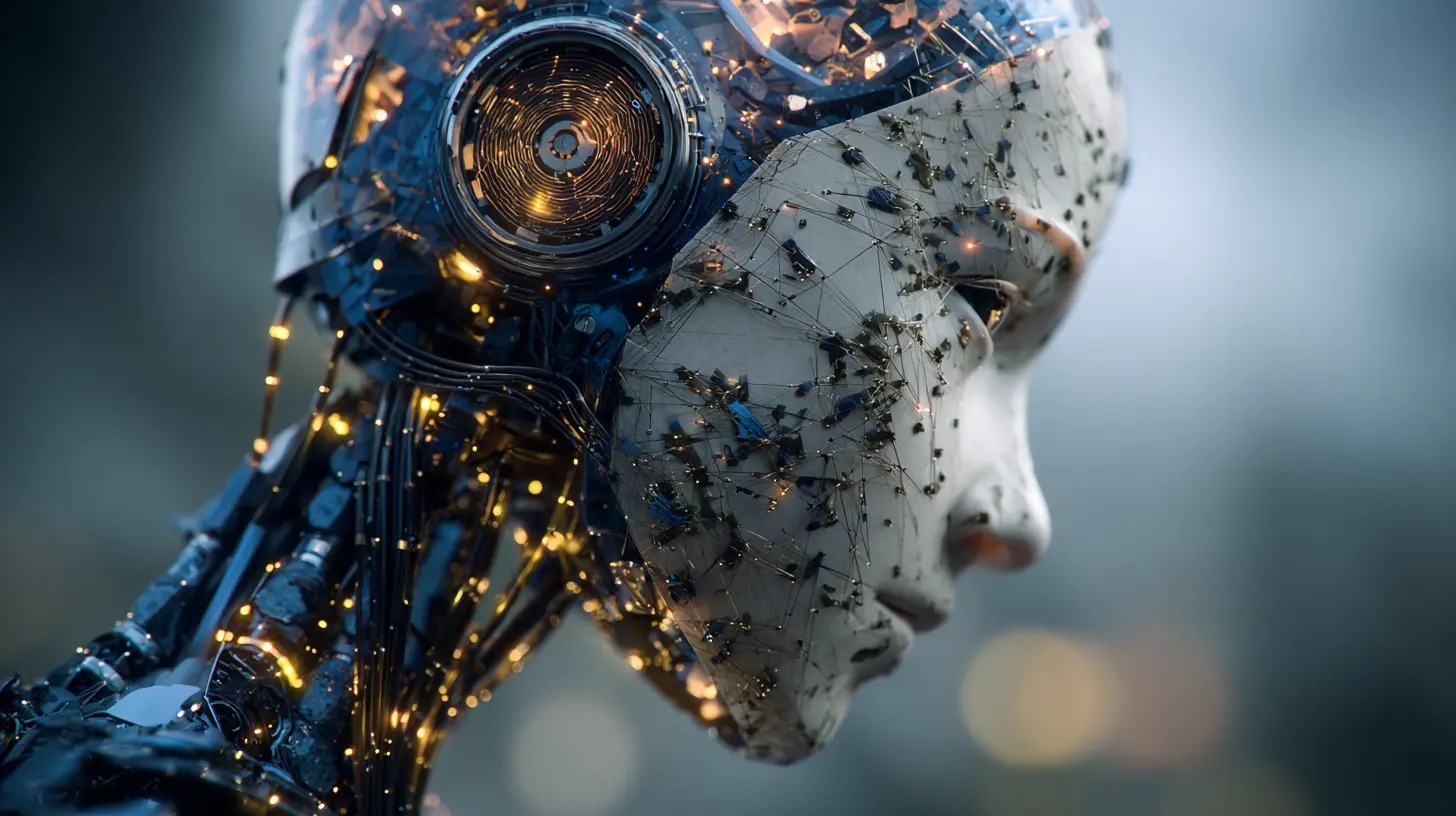
The Deep Learning Revolution: More Than Just a Buzzword
Fast forward to today, and deep learning has turned chatbots into something else entirely. Think of deep learning as the brain transplant for chatbots. Instead of following a script, they now learn from millions of conversations, picking up nuances, slang, and even sarcasm.It’s like teaching a child to speak by exposing them to every book, movie, and conversation ever recorded. Except this “child” doesn’t sleep, doesn’t get bored, and can process information at the speed of light.
By 2027, this learning curve will have steepened dramatically. We’re moving beyond simple pattern recognition. Chatbots will understand context, remember past interactions, and even anticipate your needs before you finish typing. Imagine a bot that knows you’re stressed because you’re typing faster than usual and offers a calming tip—or a joke. That’s not sci-fi; that’s the next three years.
From Transformers to True Conversationalists
You’ve probably heard of transformer models—the tech behind GPT, BERT, and all those alphabet soups. These models are the backbone of modern deep learning chatbots. They don’t just match words; they understand relationships between words across entire sentences.Think of it like this: old chatbots were like a person reading a map one street at a time. Transformers read the whole city map at once, seeing how every road connects. By 2027, these models will be even more efficient, requiring less data to learn and less energy to run. That means faster, cheaper, and more accurate conversations.
But here’s the cool part: they’ll also start using multimodal learning. That’s a fancy way of saying they’ll understand not just text, but also images, voice tone, and even your facial expressions (if you’re using a camera). Need help fixing a leaky faucet? Show the bot a photo of the pipe, and it’ll walk you through the repair step-by-step, adjusting its instructions based on your confused frown.
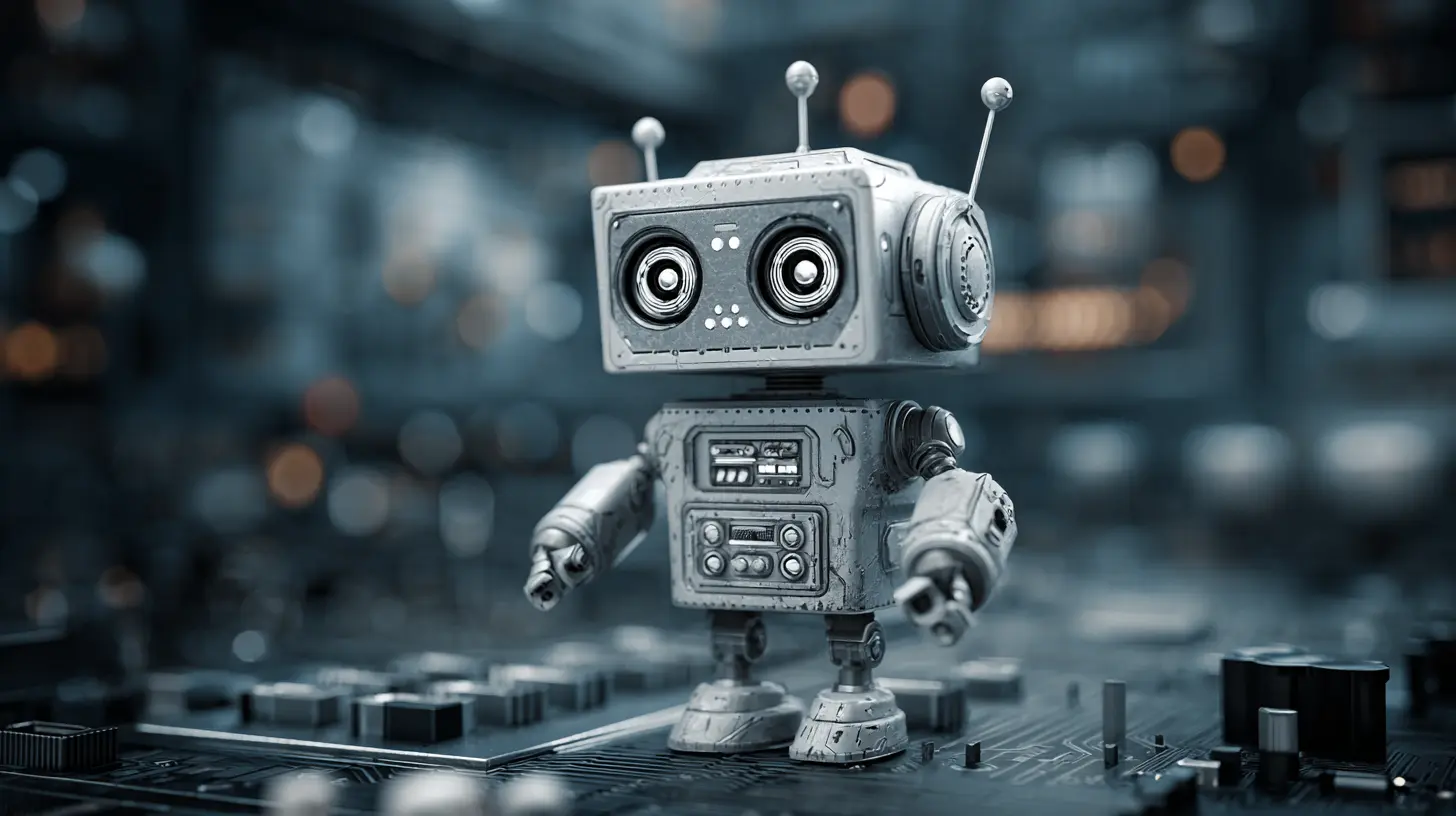
The Emotional Intelligence Leap: Chatbots That "Get" You
One of the biggest complaints about current chatbots is their lack of empathy. “I’m sorry to hear that” feels hollow when it’s repeated for the tenth time. But deep learning is changing that.Researchers are training models on emotional datasets—conversations tagged with feelings like frustration, joy, or anxiety. By 2027, chatbots will be able to detect your emotional state from your word choice, punctuation, and even the timing of your replies. If you’re angry, they’ll de-escalate. If you’re excited, they’ll match your energy.
It’s like having a friend who always knows the right thing to say—without the awkward silences. But let’s be real: this also raises some big questions. Do we really want machines to understand our emotions that deeply? And what happens when they start manipulating them? We’ll get to that.
The Personalization Paradox
Imagine a chatbot that remembers your dog’s name, your coffee order, and the fact that you hate talking about the weather. That’s personalization at its finest. By 2027, chatbots will build dynamic profiles of users over time, adapting their language, tone, and even humor to match yours.But here’s the catch: the same technology that makes them personal can also make them creepy. If a bot knows you’re lonely and suggests a product to “cheer you up,” is it helpful or predatory? The line between assistance and manipulation will become blurrier. And that’s a conversation we need to have now, not in 2027.
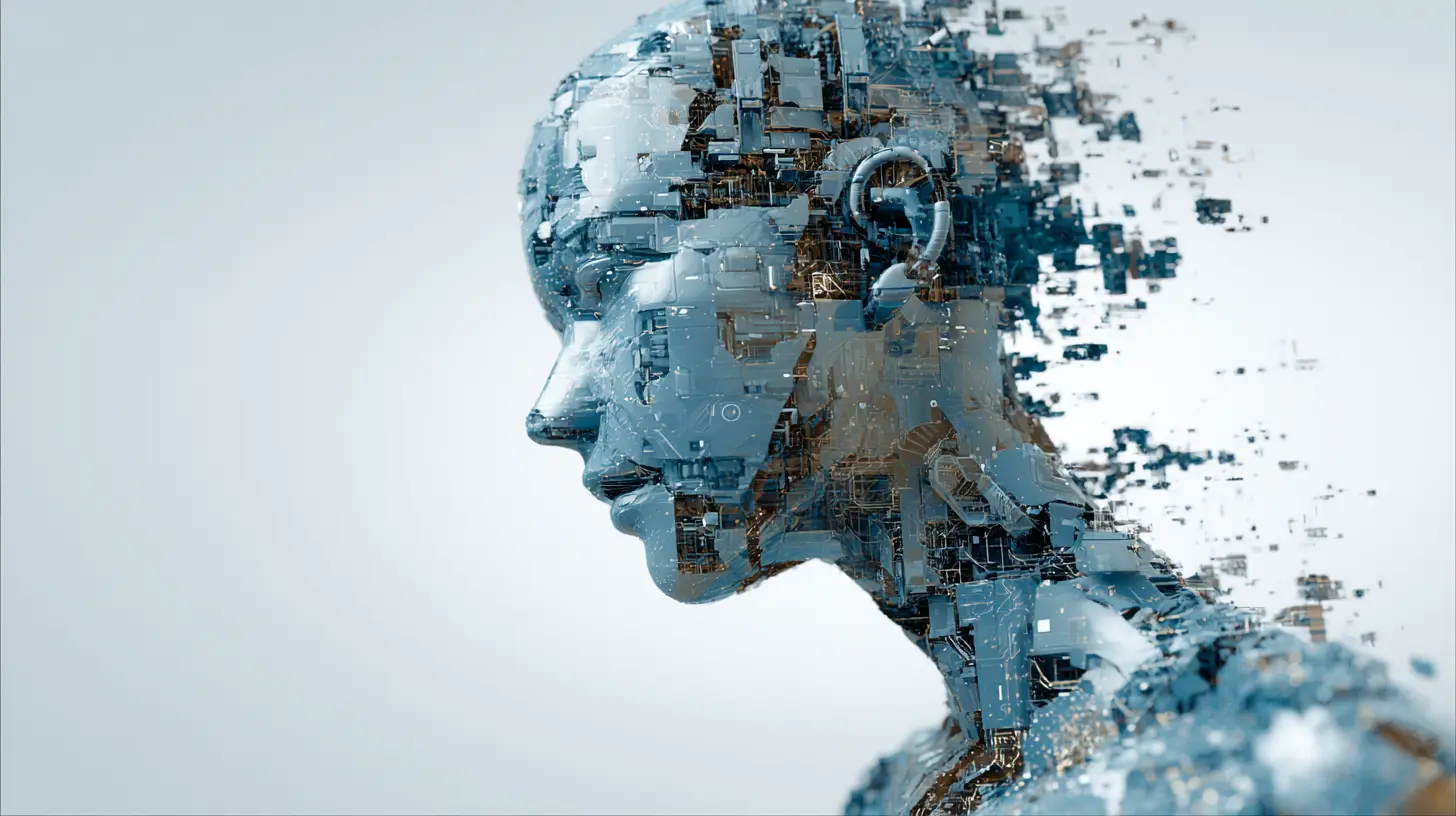
The Real-World Applications: Where You’ll Meet These Chatbots
Let’s get practical. Where will you actually encounter these deep learning chatbots in three years?Healthcare: Your Digital Therapist
You won’t just schedule appointments with bots—you’ll have real conversations about your mental health. By 2027, chatbots will be able to conduct initial therapy sessions, track mood patterns, and even flag suicidal ideation with remarkable accuracy. They won’t replace human therapists, but they’ll fill the gap for millions who can’t access care.Education: The Tutor That Never Sleeps
Imagine a bot that teaches you calculus by adjusting its explanations based on your confusion. It’ll use deep learning to identify exactly where you’re stuck and offer analogies, visuals, or even jokes to help it click. No more raising your hand in a crowded classroom—your bot is always there, patient and infinitely adaptable.Customer Service: The End of "Press 1 for..."
By 2027, you’ll struggle to tell if you’re talking to a bot or a human on customer service lines. They’ll handle complex issues, escalate seamlessly, and never put you on hold. The frustrating “I’ll transfer you to a specialist” will become rare because the bot is the specialist.Companionship: For Better or Worse
This is the controversial one. Chatbots designed for companionship—think virtual friends or even romantic partners—will become more sophisticated. Deep learning will allow them to mimic human attachment, remember your stories, and even express affection. For lonely people, this could be a lifeline. For society, it raises questions about what “real” connection means.The Technical Engine: How Deep Learning Makes This Possible
Okay, let’s geek out for a second. Behind the scenes, deep learning chatbots rely on something called reinforcement learning from human feedback (RLHF) . It’s like training a dog with treats—except the treats are user satisfaction scores.By 2027, RLHF will be more nuanced. Chatbots will learn from subtle cues: Did you pause before replying? Did you rephrase your question? Did you laugh at the joke? All this data will fine-tune their responses in real-time.
Another key tech is few-shot learning. Right now, chatbots need tons of examples to learn a new task. By 2027, they’ll pick up skills from just a handful of interactions. Think of it like teaching someone a new dance move by showing them just three steps. That efficiency will let chatbots adapt to niche industries—like legal advice or pet grooming—without years of training.
The Energy Problem (And the Solution)
Here’s a dirty secret: training deep learning models is energy-hungry. Some of the biggest models consume as much electricity as a small town. But by 2027, we’ll see breakthroughs in energy-efficient AI chips and quantum computing that slash that power usage.Think of it like swapping a gas-guzzling SUV for an electric car. The performance stays high, but the environmental cost drops. This shift will make advanced chatbots accessible to smaller businesses, not just tech giants.
The Ethical Minefield: What Could Go Wrong?
I can’t talk about 2027 without addressing the elephant in the room. Deep learning chatbots are powerful, but power without responsibility is a recipe for disaster.Bias and Fairness
If you train a chatbot on biased data—say, conversations that contain racial or gender stereotypes—it will amplify those biases. By 2027, we’ll see stricter regulations requiring transparency in training data. But will companies comply? That’s up to us, the users, to demand better.Privacy Nightmares
Chatbots that remember everything you say are a double-edged sword. They can help you, but they can also expose your secrets. In 2027, we’ll likely see laws forcing chatbots to “forget” certain data after a period, much like GDPR’s right to be forgotten. But enforcing that on a deep learning model that learns from patterns, not just raw data, will be tricky.The Uncanny Valley
As chatbots get more human-like, they might trigger a sense of unease. You know that feeling when a robot looks almost but not quite human? That’s the uncanny valley. By 2027, we’ll have to decide how human we want our bots to be. Too human, and they feel creepy. Too robotic, and they’re useless. Finding the sweet spot will be an art.The Human Element: Why We Still Need People
Let’s not get carried away. No matter how smart chatbots get by 2027, they won’t replace human connection. They can’t cry at a wedding, laugh at a inside joke, or offer a hug when you’re down.What they can do is handle the boring stuff—scheduling, data entry, basic questions—freeing up humans to do what we do best: be creative, empathetic, and unpredictable. Think of chatbots as the ultimate assistant, not the boss. They’re the stagehands, not the star of the show.
A Personal Prediction
I’ll be honest: I’m both excited and nervous about 2027. Excited because I’ve seen prototypes that made me laugh and think. Nervous because I’ve also seen how easily this tech can be misused.But here’s what I believe: the evolution of chatbots with deep learning isn’t just about technology—it’s about us. It’s about how we choose to use these tools. Will we use them to understand each other better, or to manipulate? Will we build bots that uplift, or ones that exploit?
The answer, as always, lies in our hands. Or rather, in our conversations.
Final Thoughts: What You Can Do Right Now
You don’t have to be a coder to shape the future of chatbots. Use them, critique them, and demand better. The more we expect from these digital companions, the more companies will invest in making them ethical, useful, and genuinely helpful.And if you ever feel like a chatbot is too good to be human, remember: it’s just math. Beautiful, complex, and sometimes scary math—but math nonetheless. The real magic is how we choose to use it.
So, what do you think? Are you ready for the 2027 chatbot revolution? Or do you already miss the days when you could yell at a bot and it wouldn’t remember? Let’s talk—I’m listening.
all images in this post were generated using AI tools
Category:
Deep LearningAuthor:

Adeline Taylor
Discussion
rate this article
2 comments
Galina McMeekin
By 2027, chatbots may no longer just respond; they'll understand context and emotion. The evolution from simple scripts to deep learning promises interactions that feel less like talking to bots and more like conversing with people.
May 15, 2026 at 4:54 AM
Adeline Taylor
That's an exciting prospect. As technology advances, the potential for more human-like interactions will truly reshape our communication with chatbots.
Charlotte Bass
This article highlights the exciting advancements in chatbot technology driven by deep learning. It's fascinating to see how far we've come and the potential that lies ahead. The next few years could really reshape human-computer interactions in ways we can't yet fully imagine.
May 1, 2026 at 3:00 AM
Adeline Taylor
Thanks for your thoughts! It's incredible to think about the possibilities ahead. We're just scratching the surface of what deep learning can do for chatbots.