Navigating Social Media Privacy in 2027
18 April 2026
Remember when social media privacy was about remembering to set your birthday to "visible to friends only"? It feels like a quaint, almost naive concern from a bygone digital era. Fast forward to 2027, and the landscape has transformed into something far more complex, integrated, and, frankly, high-stakes. Privacy is no longer a simple toggle switch in a settings menu; it's a continuous, dynamic negotiation between your digital self, powerful platform algorithms, and an ecosystem of connected technologies. Navigating it requires a new mindset and a new set of tools. Let's pull back the curtain on what social media privacy truly means today and how you can steer your digital ship through these often murky waters.
The New Privacy Paradigm: From Walls to Currents
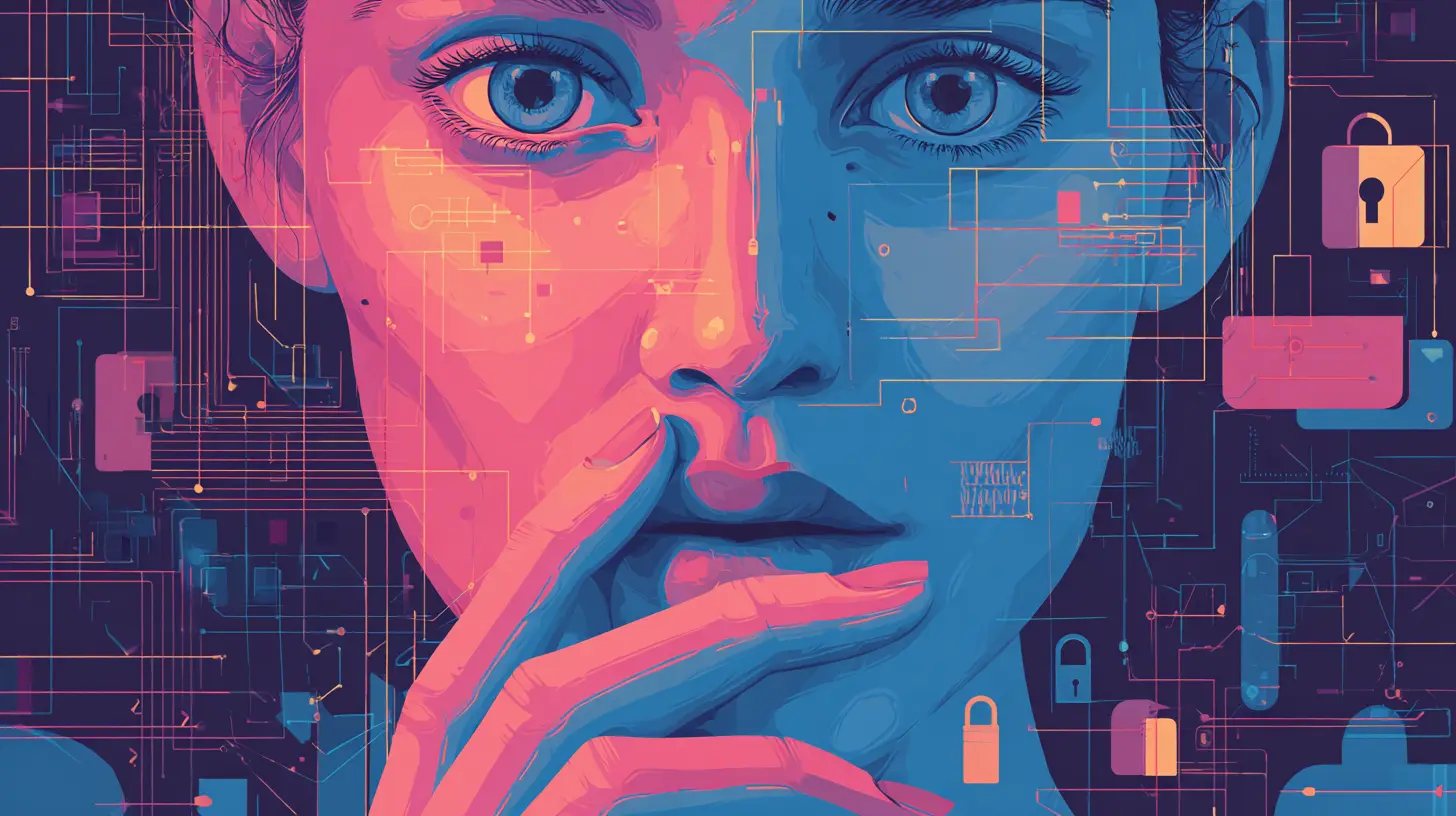
Think of the old model of online privacy as building walls around your personal information. You'd construct a profile, decide who could see inside the courtyard, and that was that. In 2027, that model is utterly obsolete. Why? Because your social presence isn't a static fortress anymore; it's a flowing, living current of data.This current is fed by more than just your posts and likes. It's a confluence of streams from your wearable health monitor syncing a "mood score" to your profile, your smart home devices inferring your routines, your augmented reality (AR) glasses logging what you look at in the physical world, and even your financial transactions (via integrated social-commerce platforms). Privacy now is about managing the flow, direction, and mixing of these data currents. The walls have been replaced by complex plumbing, and you need to know which valves to turn.
The Triad of Modern Privacy Threats
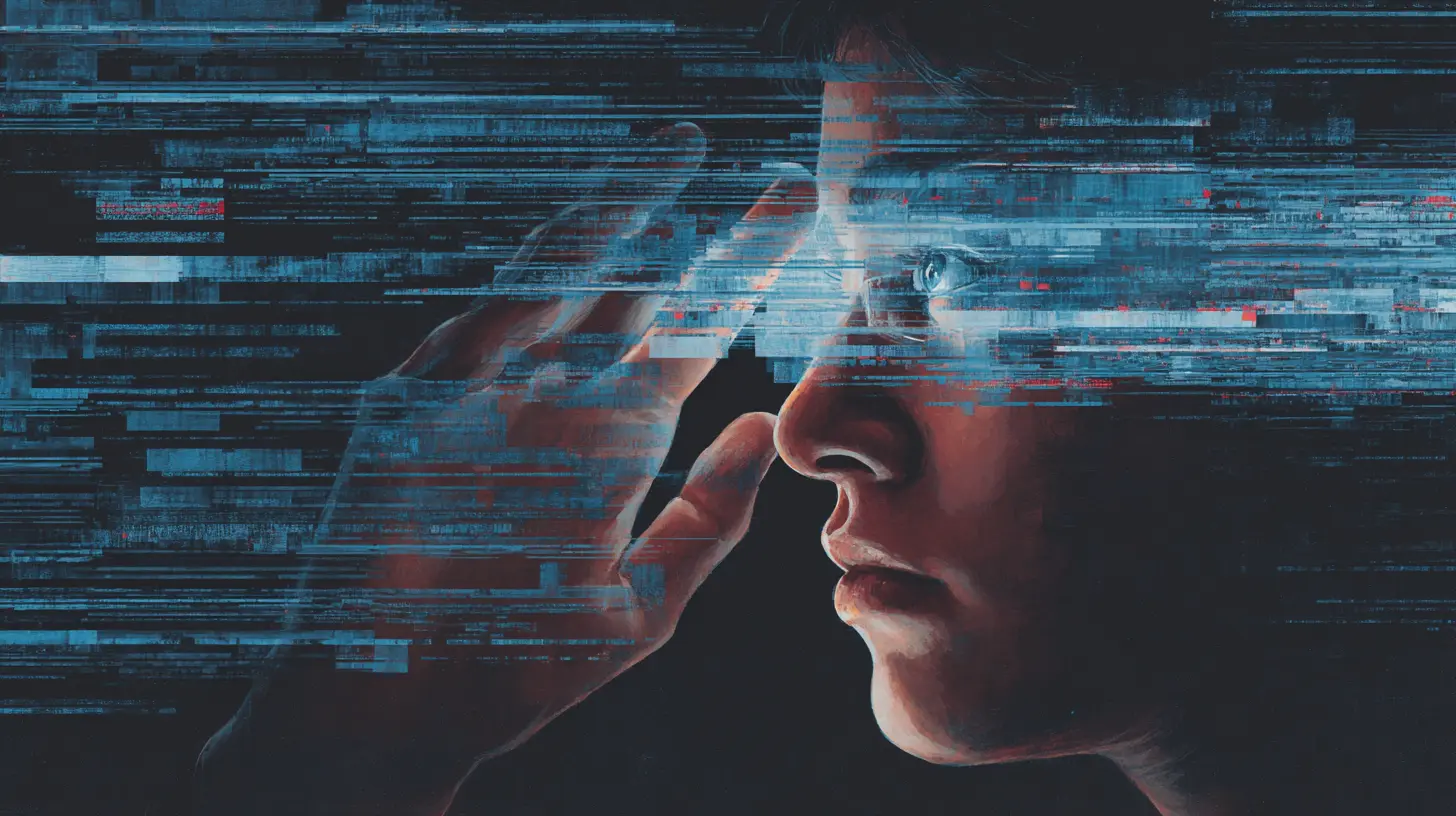
To navigate effectively, you must understand the three primary forces shaping your privacy reality:1. Ambient Data Collection: This is the silent, ever-present layer. It's not about what you post, but what you do. The biometric data from your device's sensors, the ambient audio snippets your smartwatch processes for voice commands, the location pings from your connected car—all this "exhaust data" is increasingly leveraged to build a shockingly intimate model of you. In 2027, a platform might know you're stressed before you do, based on your heart rate variability and typing speed, and serve you ads for meditation apps or comfort food. The privacy challenge here is visibility; much of this collection happens in the background, buried in terms of service you functionally cannot avoid.
2. AI Synthesis & Inference: This is where it gets truly sophisticated. Advanced AI doesn't just collect data; it synthesizes it to infer things you've never shared. By 2027, algorithms can cross-reference your micro-expressions in video calls (analyzed via your device's camera), your music streaming patterns, and your purchase history to infer your political leanings, mental health state, or career dissatisfaction with unnerving accuracy. Your privacy can be breached without you ever typing a sensitive word. It's like a detective piecing together your life story from the dust particles on your shoes—a form of digital forensics performed in real-time.
3. The Metaverse & Immersive Leakage: The integration of social media with persistent virtual worlds (the metaverse) and AR creates new vectors for data leakage. Your avatar's movements, how long you gaze at a virtual object, your physiological responses to immersive experiences, and your spatial voice conversations in a digital plaza are all rich data mines. Privacy in a 3D social space isn't just about your profile picture; it's about your body language, your attention, and your virtual proximity to others. A data broker in 2027 might be less interested in your listed hobbies and more interested in the subconscious hesitations your avatar displays when navigating certain virtual environments.

Practical Strategies for the 2027 User
Feeling overwhelmed? That's a normal reaction. But paralysis isn't an option. The goal isn't to disappear—an almost impossible feat—but to practice intentional and empowered data hygiene. Here’s your action plan.1. Audit Your Data Tributaries
You can't manage what you don't measure. Start by conducting a "data tributary audit." Don't just look at your Facebook or Tiktok-equivalent settings. Go deeper.* Review Connected Ecosystems: Check which other services—your health app, your smart TV platform, your fitness tracker, your news aggregator—are permitted to share data with your social profiles. In 2027, these connections are the primary data feeders. Sever the ones that aren't essential.
* Use Platform Privacy Dashboards: Major platforms now offer (often due to regulation) advanced dashboards that visualize the data they've inferred about you: "predicted interests," "inferred demographics," "behavioral clusters." Scrutinize these monthly. You have the right to contest and correct these inferences. Think of it as correcting your credit report, but for your digital identity.
2. Embrace Ephemeral & Context-Limited Sharing
The culture of sharing is shifting. The "permanent record" mindset is giving way to more nuanced modes.* Use Disappearing Contexts: Favor sharing tools that are both ephemeral (disappear after a time) and context-limited (only function within a specific app or environment without creating a permanent, cross-platform link). A story about your vacation might live for 24 hours in a visual format that can't be easily downloaded or reshared to a data broker's cloud.
* Compartmentalize Your Personas: Consider maintaining distinct profiles or even accounts for different facets of your life: one for close friends and family, one for professional networking, one for interest-based communities. In 2027, tools exist to help you manage these personas without needing three separate phones. This limits the AI's ability to build a single, monolithic model of your entire self.
3. Leverage Privacy-Enhancing Technologies (PETs)
This is your tech arsenal. Relying on platform-provided settings alone is like bringing a spoon to a cybersecurity fight.* Advanced Ad & Tracker Blockers: Move beyond basic ad blockers. Use network-level tracker blockers that function on your router or via a trusted DNS service, killing data collection before it reaches any of your devices.
* Local AI Assistants: Instead of using cloud-based, data-hungry assistants integrated with social platforms, opt for local AI assistants that process your requests on your device. Your voice queries for "good pizza places" stay with you and don't become a data point tying your location to your food preferences on a social graph.
* Data Poisoning Tools (The Ethical Kind): A controversial but emerging tactic. Some tools allow you to inject low-level noise into your ambient data streams—slight, random variations in your telemetry that don't affect your user experience but make the inferred models about you less accurate. It's like leaving many different scent trails instead of one clear one.
4. Cultivate Digital Literacy & Skepticism
The most powerful tool is between your ears.Question the "Why": Before using any new social feature—especially immersive or biometric ones—ask why* the platform is offering it. Is a "mood-based music sharing" feature genuinely for connection, or is it a pristine pipeline for emotional response data? Be cynical. It's warranted.
Understand the Business Model: Remind yourself constantly: If you are not paying for the product, you are* the product, and your refined data is the inventory. In 2027, with data synthesis being so valuable, this axiom is truer than ever.
The Road Ahead: Regulation, Ethics, and You
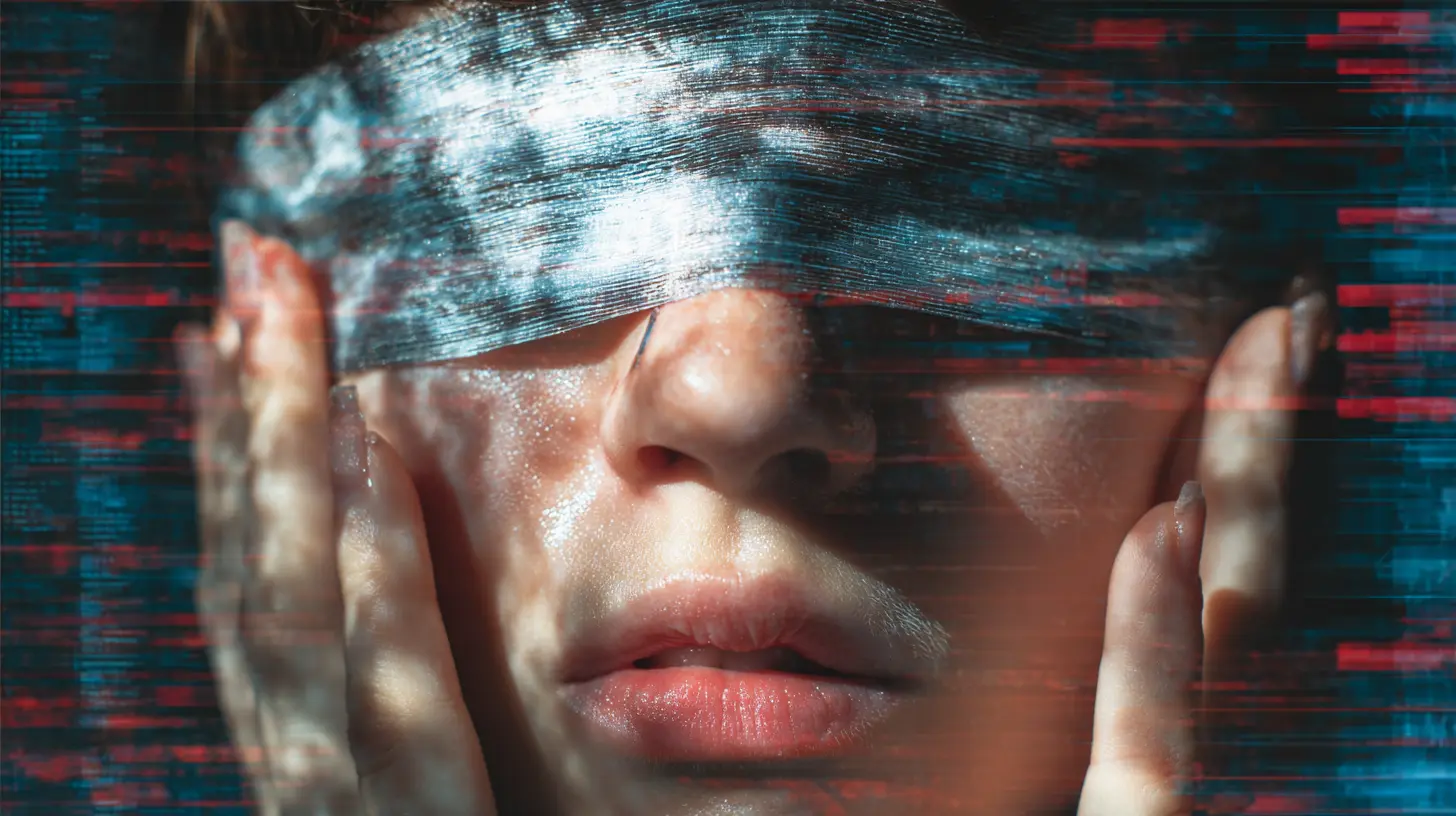
The landscape isn't solely dictated by tech giants. Governments are playing catch-up with regulations like the evolved Global Data Protection Regulation (GDPR 2.0) and The Algorithmic Accountability Act, which may mandate explainability for AI inferences. These are necessary guardrails, but they are not silver bullets.Ultimately, navigating social media privacy in 2027 is an exercise in personal agency. It's about moving from a passive "user" to an active "citizen" of the digital world. You will make trade-offs between convenience and privacy daily. The aim is to make those trades consciously, with your eyes wide open to the downstream consequences.
The conversation has shifted from "how to hide" to "how to shape." Your data current will flow. Your job is to be its mindful pilot, directing it as best you can, aware of the undercurrents, and prepared for the occasional storm. The privacy of 2027 isn't about achieving perfect secrecy; it's about striving for authentic control in an inherently public age. Start adjusting your sails now.
all images in this post were generated using AI tools
Category:
Digital PrivacyAuthor:

Adeline Taylor
Discussion
rate this article
2 comments
Jasmine Robinson
Amidst evolving algorithms and hidden data traps, are we truly protecting our privacy, or merely navigating a digital mirage?
April 24, 2026 at 12:59 PM
Adeline Taylor
It's a valid concern. As we adapt to new technologies, we must stay vigilant about our privacy and understand that true protection requires continuous effort and awareness.
Cassandra Robinson
Thank you for this insightful article on social media privacy. As we navigate the complexities of digital interactions, it's crucial to stay informed about evolving privacy measures. Your analysis provides valuable guidance for users aiming to protect their personal information in an increasingly connected world. Looking forward to more discussions on this topic!
April 22, 2026 at 3:35 AM
Adeline Taylor
Thank you for your kind words! I'm glad you found the article helpful. I'm excited to continue exploring this important topic together.