How Self-Healing Materials Are Changing Consumer Electronics
4 June 2026
Ever dropped your phone and prayed it didn't crack? Yeah, we’ve all been there. But what if your phone could, well… heal itself? Like some sort of sci-fi superhero? That’s not fantasy anymore — self-healing materials are stepping into the spotlight, and they’re totally shaking up the world of consumer electronics.
From phones to wearables and even flexible tech, self-healing materials are creating smarter, longer-lasting devices. They’re not just band-aids, they’re more like Wolverine-level tech regenerators. So, let’s dive into how self-healing materials are changing consumer electronics and what that means for us gadget lovers.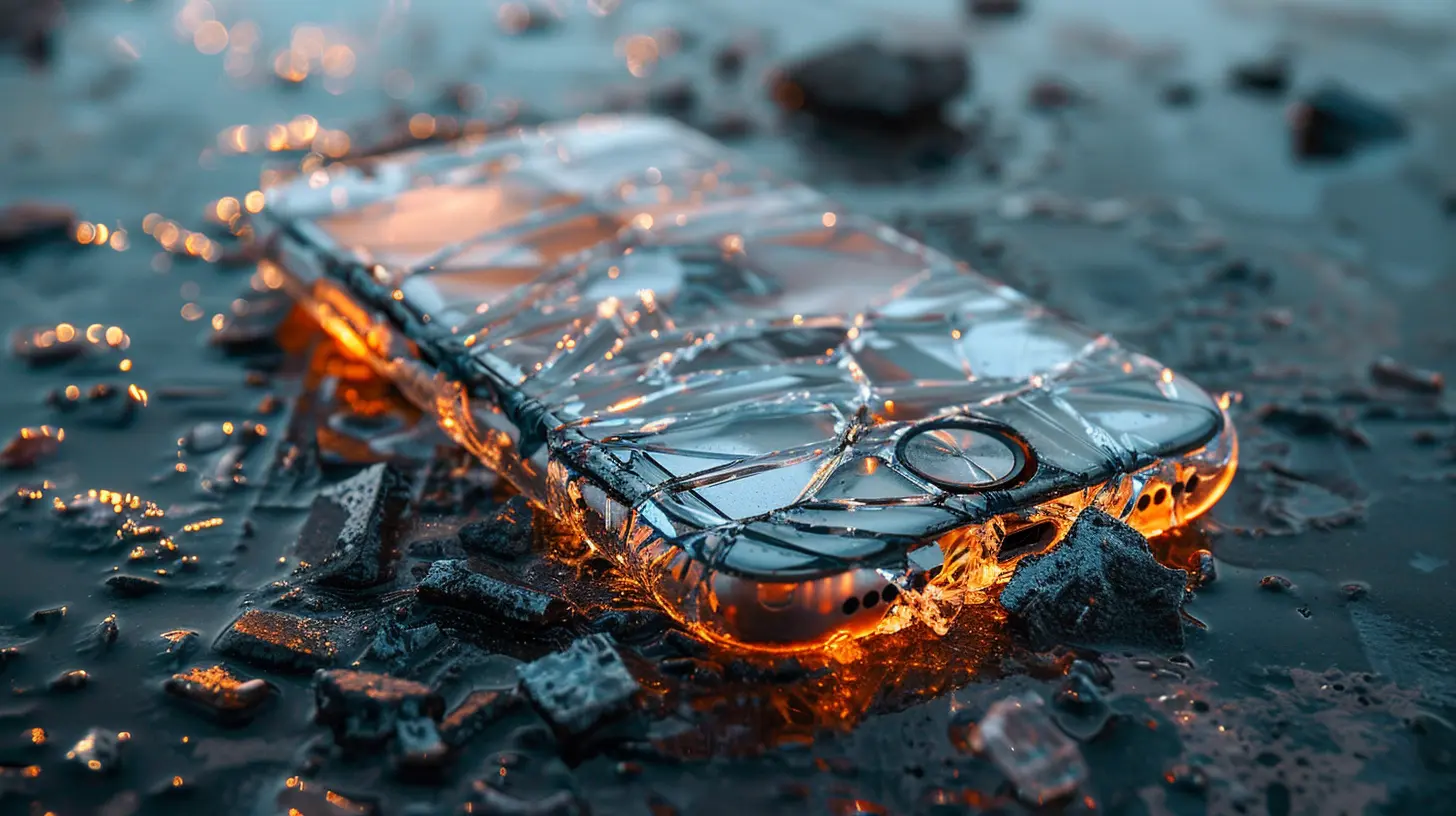
What Are Self-Healing Materials, Anyway?
First things first — what exactly are we talking about when we say "self-healing materials"?Imagine a material that can fix itself when scratched, cracked, or even torn. Like a screen that erases its own scratches, or a battery that seals up after damage. Pretty cool, right?
These materials can restore their original properties after being damaged — just like our skin forms a scab and heals. There are several types of self-healing tech, including:
- Polymer-based materials that rebind when exposed to heat or light.
- Microcapsule or vascular systems that release healing agents on damage.
- Shape-memory alloys and hydrogels that “remember” their original shape.
Some even work at room temperature, which makes them perfect for day-to-day devices.
Why Consumer Electronics Need Self-Healing Superpowers
Electronics take a beating, let’s be honest. We drop them, sit on them, spill coffee on them. No matter how careful we try to be, stuff happens.Here’s where self-healing materials shine:
- Durability: Devices last much longer when they can fix themselves.
- Sustainability: Less electronic waste = a happier planet.
- Cost-saving: Fewer repairs and replacements mean more money in your pocket.
- User experience: Less downtime and frustration.
Overall, these materials are paving the way for smarter, more resilient technology. And let's face it — nobody likes a cracked screen.
Real-Life Use Cases in Consumer Electronics
So, what’s being cooked up in the tech labs? Let’s look at how brands and researchers are already using self-healing magic in actual gadgets.1. Self-Healing Smartphone Screens
Oh yes — the Holy Grail of mobile tech. LG was one of the early players, introducing a "self-healing" back cover on the G Flex. While that was just the beginning, researchers are now working on screens that can repair scratches and even cracks.One promising material? Self-healing polymers infused with dynamic bonds. These bonds reconnect after being broken — like reconnecting Lego pieces after they've snapped apart.
Imagine going to bed with a scratched phone and waking up to a smooth surface. Dreamy, right?
2. Smartwatches And Wearables
Wearables are all about mobility and flexibility — but they also face more wear and tear. Sweat, bumps, and environmental exposure can degrade them quickly.Enter stretchable self-healing materials. Engineers are developing electronic skins and flexible circuits that recover from damage on their own. This tech could lead to wearables that not just last longer, but also become more comfortable and adaptable.
Now your fitness tracker can survive your clumsiest gym sessions.
3. Batteries That Heal Themselves
Let’s talk about the heart of every electronic device — the battery. When batteries get damaged, they lose capacity (or worse, become dangerous).New research is working on batteries made with self-healing electrodes. These materials can reconnect broken parts, restoring performance and reducing the risk of failure.
Soon, your phone battery might just take care of itself — finally, no more panicking over battery life!
4. Flexible Displays & Foldables
Foldable devices are the next big thing, and they demand materials that can bend without breaking. But with this flexibility comes risk — tiny cracks can easily develop over time.Self-healing polymers help by automatically sealing micro-cracks that form in folding regions. Samsung and Motorola are already exploring this for their foldable phones.
So the next-gen foldables could go the distance — minus the creases.
The Science Behind the Magic
Now, let’s geek out a bit. (Don’t worry, we’ll keep it simple.)There are a few different self-healing mechanisms at play:
? Reversible Chemical Bonds
Some materials are designed with dynamic covalent or hydrogen bonds — these can break and reform, allowing the material to "heal" under certain conditions, like heat or pressure.Think of it like magnets that pull themselves back together.
? Microcapsule Healing
This method embeds tiny capsules filled with healing agents inside the material. When a crack forms, it breaks the capsule, and the healing agent spills out to seal it.Kind of like popping a pimple… but way more helpful.
? Light or Heat Activation
Some self-healing materials need a trigger — like UV light or a blast of heat. Apply the stimulus, and the molecules get busy reconnecting the damaged parts.Imagine giving your phone some sunbathing time and watching it heal itself — no spa appointment needed.
Benefits Beyond Just Fixing Stuff
Sure, self-healing is great at fixing damage, but it brings along some unexpected perks too.✔️ Better Performance Over Time
Devices don't just heal — they also maintain their performance longer. That means smoother touchscreens, stable batteries, and secure casing.? Eco-Friendly Tech
Longer-lasting products = less electronic waste in landfills. This shift toward sustainability is not just a trend, it's a necessity. And self-healing tech is stepping up.? Lower Maintenance Costs
For manufacturers, using these materials reduces warranty claims and repair expenses. For users, fewer trips to the repair shop (and no duct tape patch jobs) mean more peace of mind.Challenges Holding It Back (For Now)
As cool as it sounds, self-healing tech isn’t magically perfect — yet.⚙️ Manufacturing Complexity
Integrating self-healing materials into current production lines is easier said than done. There’s still a learning curve for mass adoption.? Balancing Cost vs. Benefit
Some self-healing materials are expensive. Companies have to balance that with the actual benefits to the user.⏳ Healing Time
Not all self-healing processes are instant. Some take minutes, hours, or need specific conditions (like heat). That’s okay for now, but not ideal for impatient users (ahem, all of us).The Future of Self-Healing Tech in Consumer Electronics
Alright, so what’s next?We're still in the early stages, but things are moving fast. Researchers are dialing in on materials that can heal faster, more naturally, and even respond to multiple damage types.
Here’s what might be around the corner:
- Fully self-healing smartphones: Screens, backs, batteries — all recovering on their own.
- Wearables that adapt: Skin-like electronics that mold and repair themselves against your body.
- Next-gen laptops and tablets: Devices that shrug off cracks and spills like nothing happened.
As AI, nanotechnology, and materials science intersect, the possibilities are wild. Think about devices that not just repair but evolve — healing, adapting, and optimizing themselves over time.
Kinda like tech Darwinism.
Final Thoughts — Is This the Future We’ve Been Waiting For?
Self-healing materials might feel like something out of Tony Stark’s lab, but they’re real — and they’re making their way into your pocket, your wrist, and your home.Sure, we’re not 100% there yet. But we’re close. And that future where your gadgets fix themselves while you sleep? It’s not far off.
So next time your phone slips from your hand and you hear that terrifying "crack"… imagine a world where it just shrugs it off, heals by morning, and keeps going.
Sounds like a future worth waiting for, right?
all images in this post were generated using AI tools
Category:
Tech InnovationsAuthor:

Adeline Taylor
Discussion
rate this article
2 comments
Sierra Dillon
Self-healing materials are game changers in consumer electronics. They promise longer-lasting devices and reduced waste, making our gadgets not just smarter, but also more sustainable for the future.
August 9, 2026 at 2:36 AM
Adeline Taylor
I completely agree. Self-healing materials indeed represent a significant leap towards sustainability in consumer electronics, enhancing longevity and minimizing environmental impact. Exciting times ahead!
Bridget Reyes
Innovative solutions for durability in electronics.
June 4, 2026 at 2:57 AM
Adeline Taylor
Thanks for your comment! Self-healing materials are indeed a game changer, enhancing the longevity of electronics while reducing waste. Exciting times ahead!