How IoT is Changing the Face of Fitness Tech
29 March 2026
Technology has always played a huge role in shaping the way we stay fit. From the early days of pedometers to modern-day smartwatches, fitness tech has come a long way. But now, with the Internet of Things (IoT) stepping into the game, things are evolving faster than ever.
Imagine waking up in the morning, and before you even get out of bed, your smartwatch has already analyzed your sleep, suggested a workout schedule based on your recovery, and even synced with your smart gym to adjust the resistance on your weights. Sounds futuristic? Well, it’s already happening!
Let's dive deep into how IoT is changing the face of fitness tech and making workouts smarter, more efficient, and highly personalized. 
What is IoT in Fitness?
IoT, or the Internet of Things, refers to a network of connected devices that collect and share data in real-time. In fitness, IoT enables smart gadgets—like wearables, gym equipment, and even clothing—to track health metrics and optimize workouts.These connected devices don’t just count steps or calories burned; they go far beyond that. They monitor heart rate, analyze posture, track hydration levels, and even provide real-time feedback to improve performance. 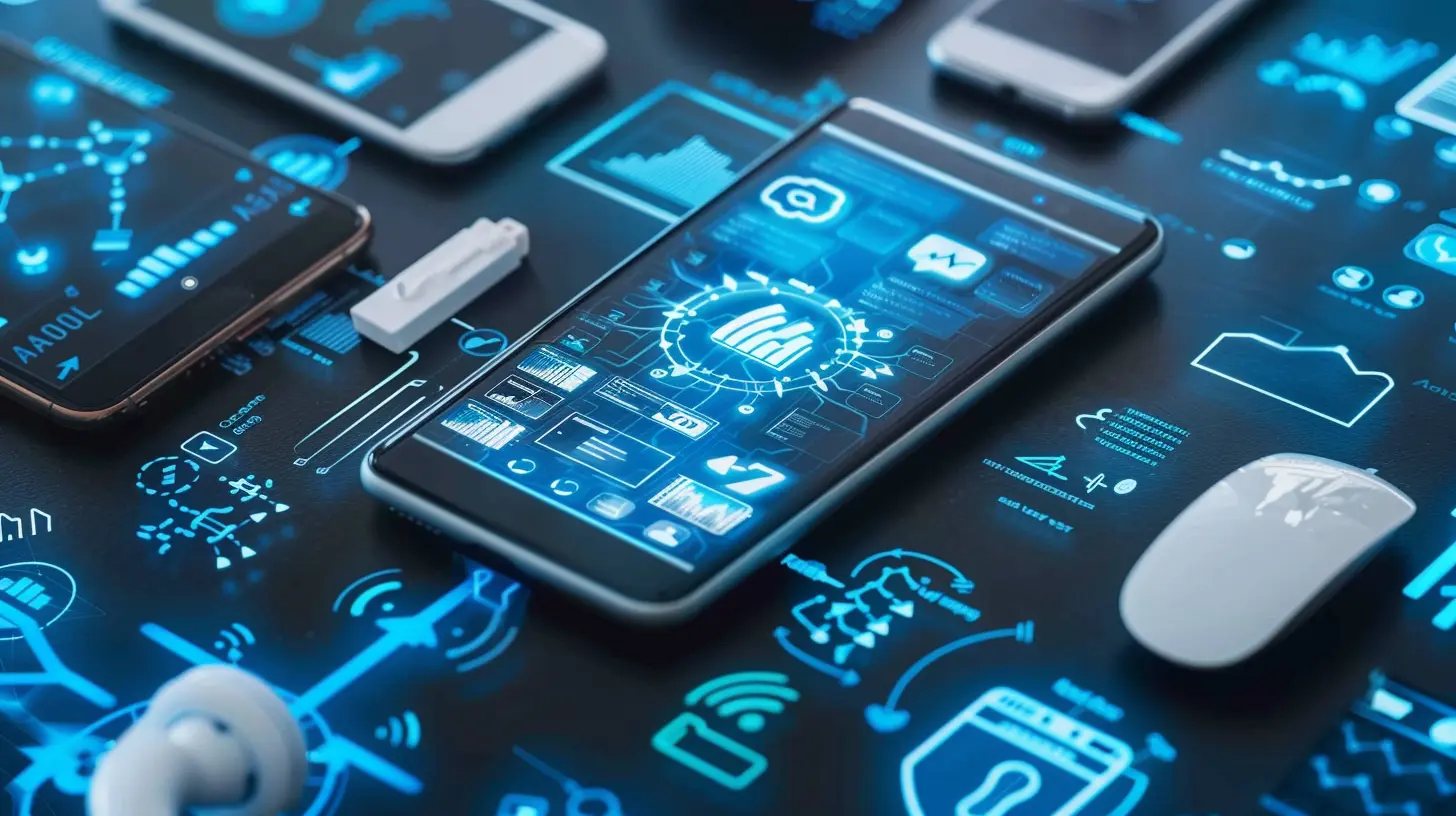
The Role of IoT in Fitness Tech
IoT is revolutionizing the fitness world in multiple ways, making workouts smarter and more data-driven. Here’s how:1. Smart Wearables: More Than Just Step Counters
Gone are the days when fitness bands were just glorified pedometers. Today, IoT-powered wearables like smartwatches and fitness trackers do much more:- Measure heart rate variability (HRV)
- Track oxygen levels (SpO2)
- Analyze sleep patterns
- Detect stress levels
- Monitor hydration and body temperature
Brands like Fitbit, Apple, and Garmin are integrating AI-driven insights into their wearables, guiding users on when to train, when to rest, and how to optimize performance.
2. Smarter Home Gyms and Connected Fitness Equipment
Remember when home workouts meant following a pre-recorded DVD? We’ve come a long way. IoT is now powering home gym equipment that adapts to your abilities in real-time.Smart fitness systems like Peloton, Tonal, and Mirror provide interactive training that adjusts resistance, corrects posture, and gives live feedback—almost like having a personal trainer at home.
Plus, these connected devices sync with wearables to ensure your workouts match your fitness levels, preventing injuries and maximizing results.
3. AI-Powered Personal Training and Virtual Coaching
Why hire a personal trainer when IoT-driven AI coaching can provide real-time guidance?Apps like Freeletics, Nike Training Club, and Zwift use IoT sensors and machine learning to create personalized workout plans based on your fitness level and progress. These platforms analyze your performance, suggest improvements, and even simulate real-world running or cycling routes for a more immersive workout experience.
4. Real-Time Health Monitoring & Preventive Care
Fitness isn't just about looking good—it’s about staying healthy. IoT devices are helping people monitor their health metrics 24/7, alerting them to potential health risks.For example, smartwatches can detect irregular heart rhythms and warn users about possible atrial fibrillation (AFib). Some devices even track blood glucose levels, helping diabetic patients manage their conditions effortlessly.
This kind of real-time health data empowers individuals to take preventive action, reducing the risk of serious medical conditions.
5. Smart Clothing: The Future of Wearable Tech
Smartwatches are great, but what if your gym clothes could track your performance too? That’s exactly what smart clothing does!Brands like Athos and Hexoskin are developing IoT-enabled apparel that monitors muscle activity, posture, and exertion levels.
With embedded sensors woven into fabric, these clothes provide real-time feedback, helping athletes perfect their form and avoid injuries.
6. Gamification and Social Connectivity
Let’s be honest—working out can sometimes feel like a chore. IoT is making fitness fun by gamifying workouts and adding social interaction.- Apps like Strava and MyFitnessPal allow users to compete with friends, earn rewards, and set milestones.
- Wearables track progress and provide leaderboards to keep motivation levels high.
- Augmented reality (AR) fitness games like Zombies, Run! make running more exciting by turning it into a survival challenge.
By adding a social and competitive element, IoT is making fitness more engaging and sustainable. 
The Benefits of IoT in Fitness Tech
IoT isn’t just about cool gadgets—it’s transforming how people stay fit. Here are some key benefits:✅ Personalized Workouts – IoT devices track your fitness level and customize routines accordingly.
✅ Real-Time Feedback – Smart sensors correct form, adjust resistance, and provide recommendations instantly.
✅ Improved Recovery & Injury Prevention – By analyzing movement and health metrics, users can avoid overtraining and injuries.
✅ Remote Fitness Training – Virtual trainers and AI-driven workouts bring expert guidance to your home.
✅ Health Monitoring & Early Detection – IoT helps catch health issues before they become serious. 
Challenges and Concerns with IoT in Fitness
While IoT is making fitness smarter, it’s not without challenges.1. Privacy & Data Security
Fitness devices collect a LOT of personal data—health stats, workout habits, even biometric info. The risk of data breaches and privacy violations is real.2. Cost & Accessibility
High-quality IoT fitness gear isn’t cheap. Not everyone can afford a $400 smartwatch or a $2,000 smart gym setup.3. Reliance on Technology
With AI-driven workouts, some people may become overly dependent on technology rather than learning to listen to their own bodies.To tackle these challenges, companies must improve security, create affordable solutions, and ensure users don’t lose touch with basic fitness principles.
What’s Next? The Future of IoT in Fitness
IoT in fitness is still evolving, and the future looks even more exciting. Here’s what’s on the horizon:➡ AI-Powered Nutrition Plans – Smart devices will suggest meal plans based on activity levels and body composition.
➡ Advanced Biometric Monitoring – More sophisticated sensors will provide deeper insights into metabolism and muscle recovery.
➡ Smart Gym Integrations – Public gyms will use IoT to sync user profiles, auto-adjust machines, and provide personalized workout recommendations.
➡ Augmented Reality (AR) Fitness – Imagine working out in a virtual world, with AI trainers guiding you in real time.
Final Thoughts
The fusion of IoT and fitness tech is changing the game, making workouts more personalized, interactive, and data-driven. Whether you're a beginner trying to stay active or a pro athlete optimizing performance, IoT-powered devices can help you reach your fitness goals like never before.But at the end of the day, no amount of smart tech can replace determination and consistency. So, while IoT can be an excellent fitness companion, the real progress comes from you putting in the effort. So lace up your shoes, strap on that smartwatch, and get moving!
all images in this post were generated using AI tools
Category:
Tech InnovationsAuthor:

Adeline Taylor
Discussion
rate this article
2 comments
Sloane Kirkland
IoT transforms fitness by personalizing experiences, yet raises questions about privacy and data ownership for users.
April 1, 2026 at 4:08 AM
Adeline Taylor
Absolutely! While IoT enhances personalized fitness experiences, it's crucial to address privacy and data ownership to ensure users feel secure and empowered in their health journeys.
Stephen Rogers
IoT is revolutionizing fitness tech—no more guesswork. It’s time to embrace data-driven workouts and elevate your fitness game without excuses!
March 29, 2026 at 12:16 PM
Adeline Taylor
Absolutely! IoT is truly transforming fitness by providing personalized insights that help maximize results and eliminate guesswork. Embracing this technology can lead to more effective and efficient workouts.