How Augmented Reality Will Transform Digital Art by 2027
28 April 2026
Picture this: You’re standing in your living room, coffee in hand, and suddenly a glowing, three-dimensional dragon made of pure light coils around your sofa, its scales shimmering with data streams. You didn’t just imagine it—you downloaded it from an artist’s website. By 2027, this won’t be a scene from a sci-fi movie; it’ll be your Tuesday afternoon. Augmented reality (AR) isn’t just another tech buzzword—it’s the brush that will paint the next era of digital art. And trust me, the canvas is about to get a whole lot bigger than your phone screen.
We’ve already seen AR pop up in filters on Instagram or the occasional Pokémon hunt. But by 2027, the shift will be seismic. Digital art will break free from the flat prison of monitors and step into your physical world, morphing your bedroom into a gallery, your park into a sculpture garden, and your very skin into a living canvas. Let’s dive into how this transformation will happen, why it matters, and what it means for artists and viewers alike.
The Death of the Frame: Art Without Boundaries
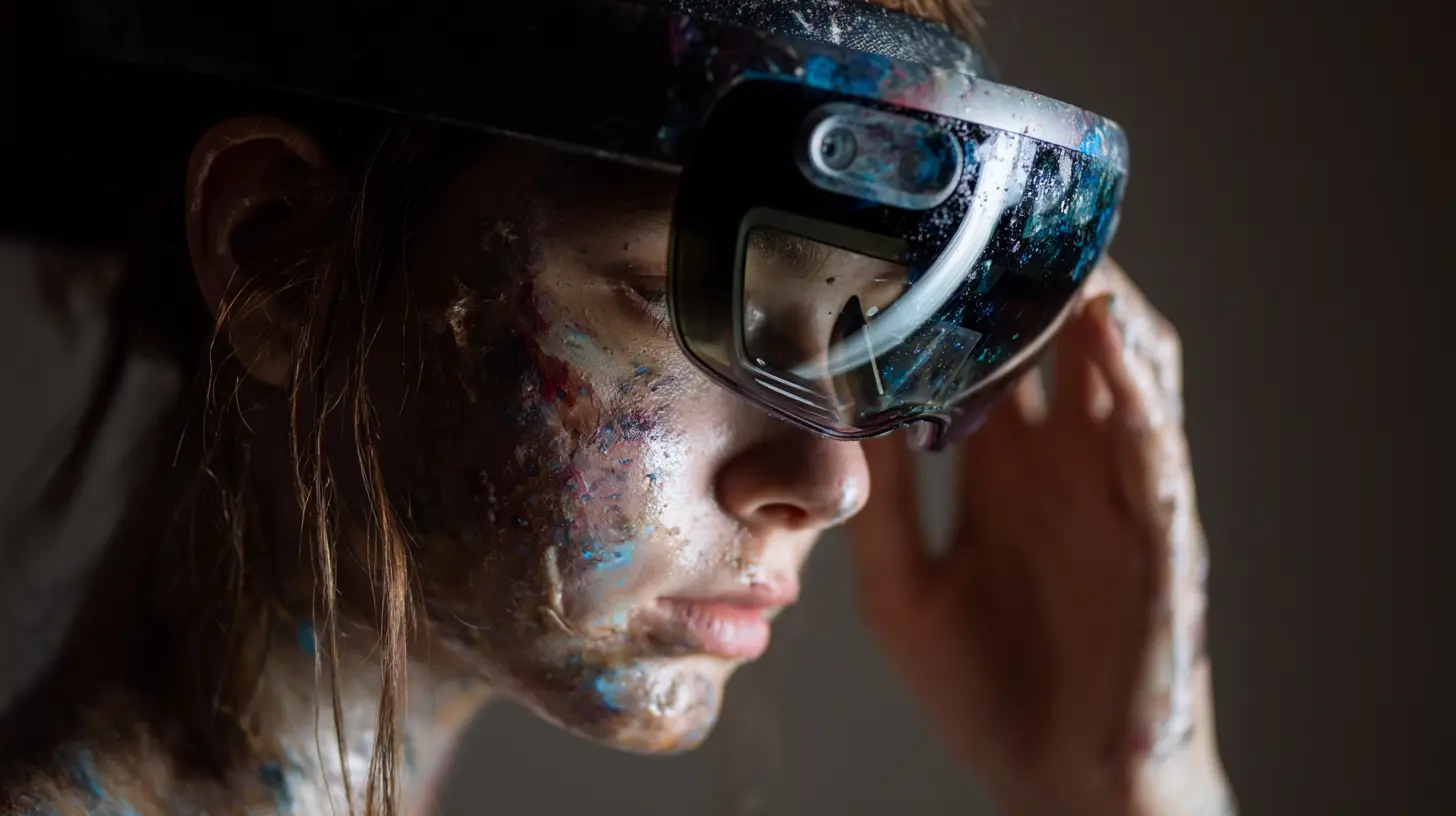
For centuries, art has been framed—literally. Paintings, photographs, even digital screens have edges. They scream, “Look here, but don’t look over there.” Augmented reality kills the frame. By 2027, AR art will be unbounded, floating in the air around you like a holographic ghost. Imagine a digital sculpture that wraps around your coffee table, or a painting that stretches from your floor to your ceiling, shifting colors as you move. That’s not a gimmick; it’s a fundamental redefinition of how we experience art.Why does this matter? Because your brain processes spatial art differently. When a digital object occupies real space, you don’t just see it—you feel it. You walk around it, peer under it, maybe even reach out and watch your fingers pass through it. This isn’t passive consumption; it’s active exploration. By 2027, AR headsets like Apple’s Vision Pro or Meta’s next-gen glasses will be as common as smartphones, making this immersion accessible to millions. Artists will no longer ask, “How does this look on a screen?” They’ll ask, “How does this feel in your room?”
From Gallery Walls to Your Walls: The Democratization of Art
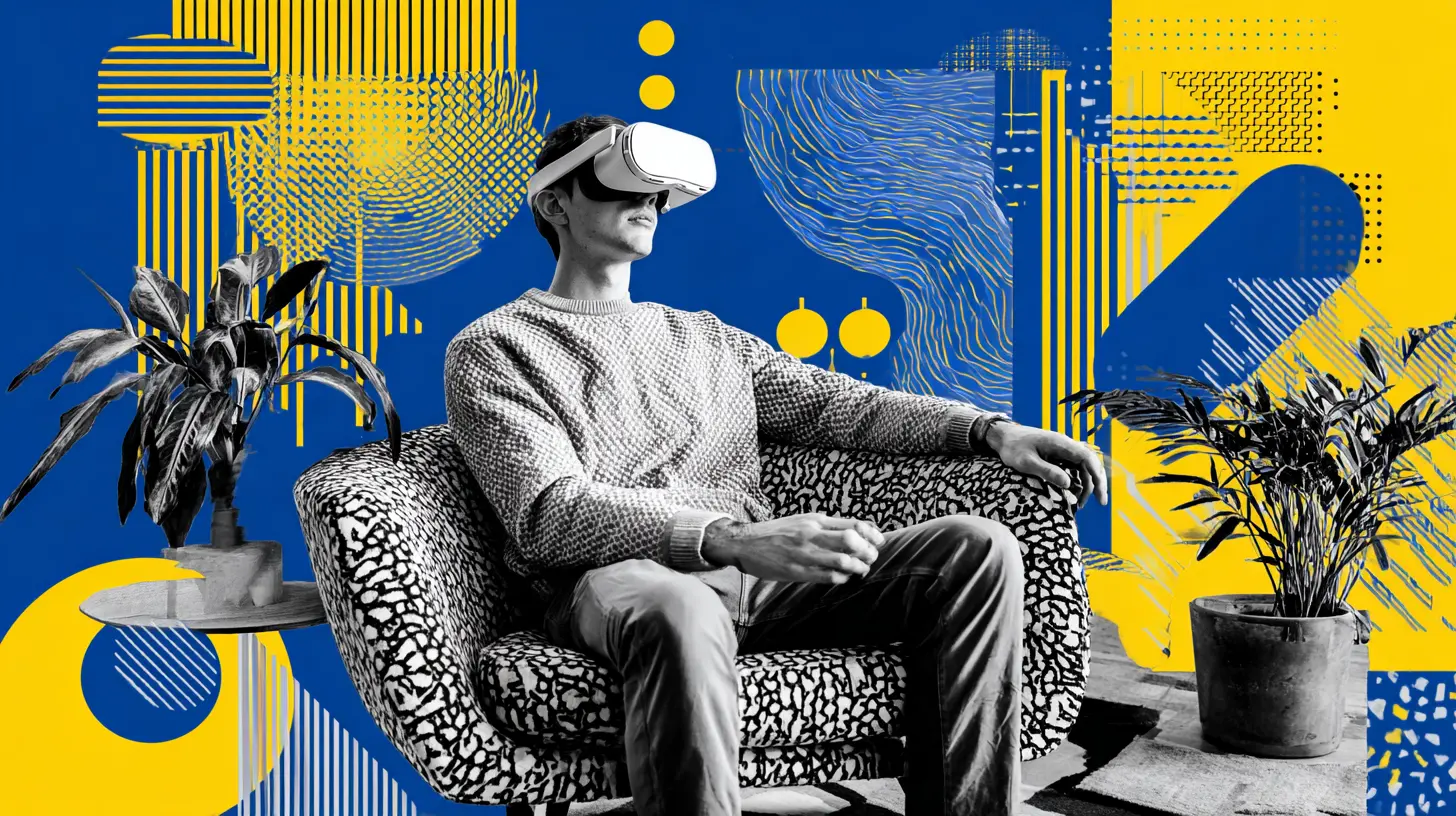
Here’s a hard truth: traditional galleries are gatekeepers. They decide what’s “good,” what’s priced, and who gets to see it. AR flips that script. By 2027, any artist with a 3D scanner and a bit of coding knowledge can place their work in your home—literally. You won’t need a curator’s approval or a million-dollar budget; you’ll just need a QR code or a link. This is the ultimate democratization.Think about it. A street artist in São Paulo can create a mural that only exists in the AR layer of your bedroom wall. A digital painter in Tokyo can host a gallery opening in your backyard. The barriers of geography, cost, and physical space dissolve. For the first time in history, art becomes a universal right, not a luxury. And because AR art is non-rivalrous (you can’t steal a digital sculpture by looking at it), artists can sell unlimited “editions” without worrying about scarcity. It’s like Spotify for visual art, but way more immersive.
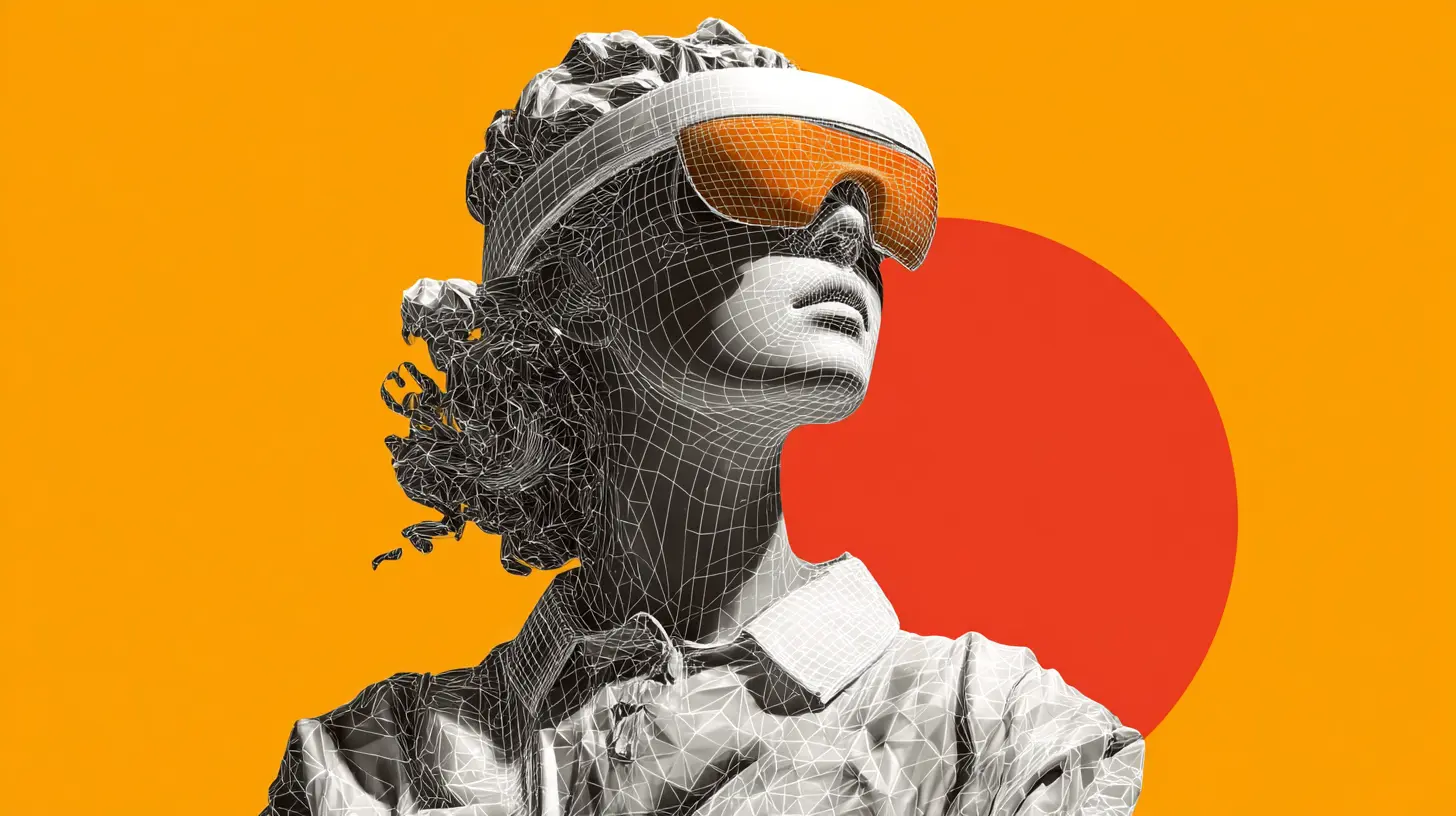
The Canvas Becomes Alive: Interactive and Generative AR Art
Static art is beautiful, but by 2027, it’ll feel almost… boring. Augmented reality introduces a new dimension: time. AR art can move, react, and even learn from you. Imagine a digital painting that changes its mood based on your heartbeat, or a virtual tree that grows leaves as you speak. This is where generative AI meets AR, and the result is art that’s never the same twice.Let me give you a concrete example. Say an artist creates an AR flower that blooms only when you smile. You download it, place it on your desk, and every time you laugh, the petals unfurl. That’s not just art; it’s a relationship. By 2027, we’ll see entire ecosystems of AR creatures that react to your movement, your voice, even your emotional state. Artists will become less like painters and more like game designers, crafting experiences rather than objects. The line between creator and audience will blur, and you’ll become a co-author of the artwork every time you interact with it.
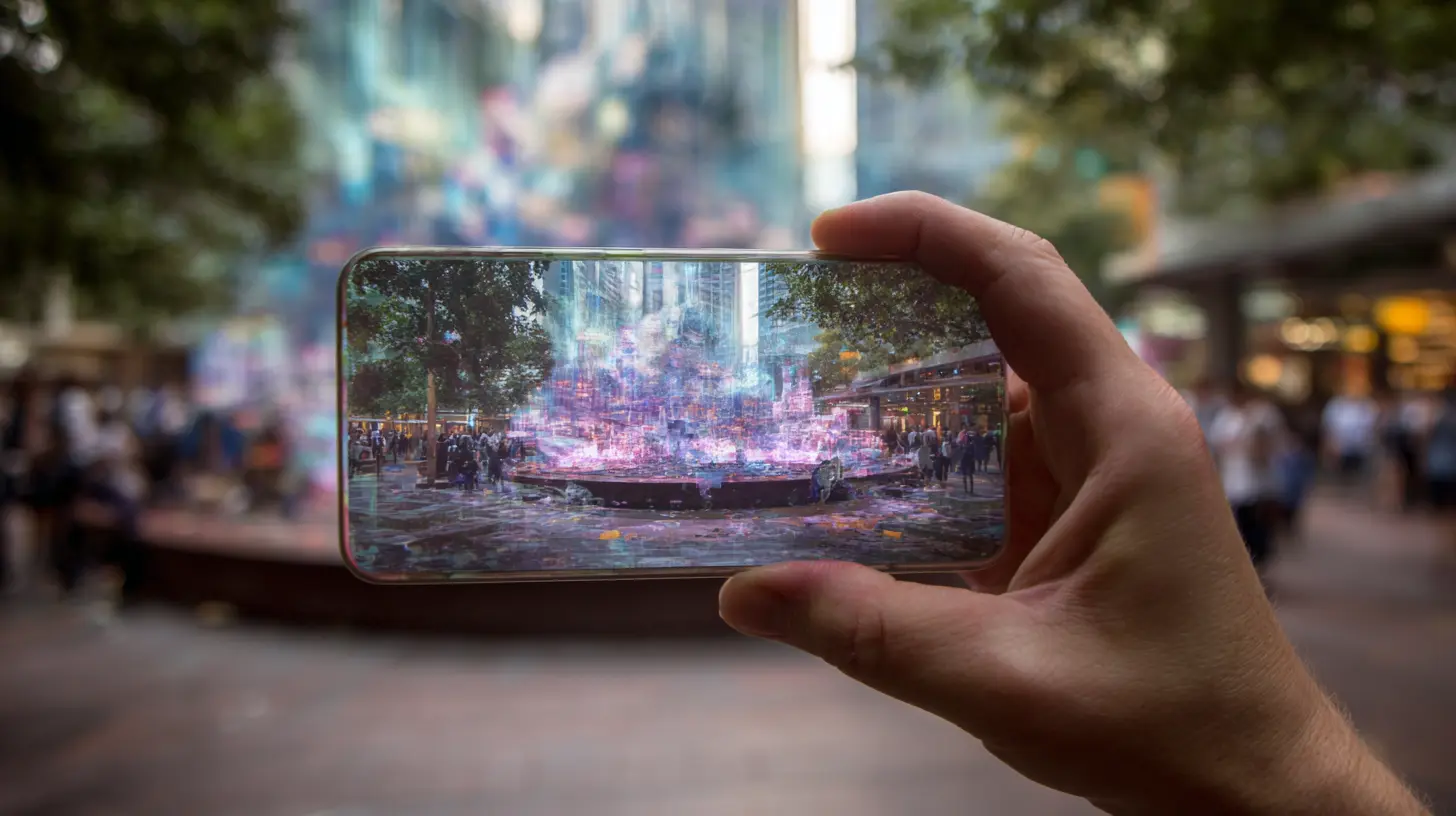
The Rise of the Digital Art Marketplace: NFTs 2.0
Remember the NFT craze of 2021? It was clunky, tied to JPEGs that you could right-click and save. By 2027, NFTs will evolve into something far more practical: ownership of AR art that lives in your space. Instead of buying a digital image of a monkey, you’ll buy a license to display a 3D holographic sculpture in your living room. And here’s the kicker: that sculpture can be verified as unique on the blockchain, but it can also be “placed” in AR only by you.This creates a new economy. Artists can sell “site-specific” AR art—a piece that only appears in a particular location, like the Eiffel Tower or your grandmother’s porch. Collectors can trade these digital assets like trading cards, but with the added thrill of seeing them come to life. And because AR headsets will track your gaze and interaction, artists can even earn royalties every time someone views their work. It’s a pay-per-view model for art, and it’s going to be huge.
Collaboration Across Realities: Artists and Engineers Unite
Creating AR art isn’t just about having a good eye; it’s about understanding spatial computing, 3D modeling, and even code. By 2027, we’ll see a new breed of artist: the “AR native.” These creators will blend traditional skills (painting, sculpture) with technical prowess (Unity, Blender, ARKit). But here’s the beautiful part—they won’t have to do it alone.Collaboration will explode. A painter can sketch a concept on paper, hand it to a 3D modeler, who then passes it to a programmer to add interactivity. The result is a hybrid masterpiece that no single person could have made. We’ll see artist collectives form around AR, much like Renaissance workshops but with laptops instead of brushes. And because AR art can be shared instantly, these collaborations can span continents. A sculptor in Nairobi and a coder in Oslo can build something together without ever shaking hands.
The Psychological Shift: How We’ll See Art Differently
Here’s a question: when art is floating in your space, is it still “art” or is it just a digital decoration? By 2027, our brains will adapt. We’ll develop a new visual language for AR. You’ll learn to “read” a room differently—scanning for hidden art layers, looking for subtle glows or shadows that indicate a digital object. This isn’t just a tech change; it’s a cognitive one.Think of it like learning a new instrument. At first, it’s awkward. You don’t know where to look. But after a while, your perception expands. You’ll start to see the world as a layered cake of physical and digital. Artists will exploit this, playing with your expectations. A digital puddle that looks real until you step in it. A virtual window that opens to a beach you can almost smell. This blending will create a new kind of wonder—the feeling that reality itself is mutable, playful, alive.
Challenges on the Horizon: The Dark Side of AR Art
Let’s not sugarcoat it—this transformation won’t be all rainbows and holograms. By 2027, we’ll face some real headaches. First, there’s the issue of digital pollution. Imagine a city where every surface is covered in AR ads and art, competing for your attention. It could become visual noise, a cacophony of glowing distractions. Artists will need to fight for “space” just like billboards do today.Then there’s privacy. AR headsets need cameras to map your environment. Who owns that data? What happens when an artist’s AR piece tracks your eye movements and sells that info? We’ll need new laws, new ethics, and new norms. And let’s not forget the digital divide. If AR art requires expensive glasses, it risks becoming a rich kid’s playground. By 2027, we’ll have to ask: is this a tool for inclusion or another walled garden?
The Tools of Tomorrow: What Artists Will Use
By 2027, the tools for creating AR art will be as intuitive as Photoshop is today. We’re already seeing glimpses—apps like Reality Composer and Spark AR let you drag and drop 3D objects. But the next wave will be mind-blowing. Imagine sculpting with your hands in mid-air using haptic gloves, or using AI to generate a thousand variations of a design in seconds. The barrier to entry will drop so low that a teenager with a tablet could become a world-renowned AR artist.Software will become social too. Platforms like “AR Canvas” will allow multiple users to build a single piece in real-time, like a Google Doc for 3D art. And because AR is spatial, you’ll be able to walk inside your creation as you build it. It’s like being a god in your own tiny universe—and by 2027, everyone will get a taste of that power.
The Role of AI: Your Art Assistant
Artificial intelligence won’t just help you generate images; it will become your co-creator. By 2027, AI can analyze your style, suggest improvements, and even animate your static drawings. Imagine sketching a dragon on paper, snapping a photo, and watching AI turn it into a fully textured 3D model that breathes fire in AR. That’s not sci-fi; that’s the trajectory we’re on.But here’s the twist—AI might also become the artist. We’ll see AR art created entirely by algorithms, learning from millions of human works to produce something new. The question of authorship will get messy. Is the AI the artist, or the person who prompted it? By 2027, we’ll have to grapple with that, and it will change how we value art. It might even make “human-made” AR art more precious, like handmade furniture in a world of IKEA.
Education and Accessibility: Learning Through AR Art
Art isn’t just for looking at—it’s for learning. By 2027, AR will turn museums into interactive classrooms. Point your headset at a painting, and a digital overlay explains the brushstrokes. Walk into a historical scene, and AR characters tell you stories. This is the ultimate mashup of education and art.But it goes deeper. AR art can teach empathy. Imagine experiencing a refugee’s journey through a digital simulation that places you in their shoes. Or walking through a virtual forest that shows you the effects of climate change in real-time. Artists will become storytellers who use AR as their medium, and their audience will feel, not just see, the message. That’s a superpower, and by 2027, we’ll start using it.
The Economic Ripple: New Jobs, New Industries
Here’s a fun prediction: by 2027, “AR art curator” will be a real job. So will “spatial sound designer,” “virtual set decorator,” and “digital preservationist.” Galleries will hire specialists to install AR pieces, just like they hire electricians for lighting. Real estate agents will use AR art to stage empty houses. Event planners will commission AR installations for weddings and concerts.The economy around digital art will explode. We’re talking millions of dollars in new revenue, from hardware sales to software subscriptions to artist commissions. And because AR art can be updated remotely, it’s a subscription model waiting to happen. Imagine paying $5 a month for a rotating gallery of AR masterpieces in your home. That’s cheaper than a Netflix subscription, and way more inspiring.
Conclusion: The Frame Is Gone, What’s Left Is You
By 2027, augmented reality won’t just transform digital art—it will transform how you see the world. The frame is gone. The canvas is infinite. And the artist is everyone. You’ll walk through cities layered with digital history, your home will be a living gallery, and your own body might become a canvas for art that moves with you. It’s a little scary, a little thrilling, and completely inevitable.So, are you ready to step into the painting? Because by 2027, the painting is going to step into you. The only question left is: what will you create?
all images in this post were generated using AI tools
Category:
Tech For CreatorsAuthor:
Adeline Taylor
Discussion
rate this article
2 comments
Jinx McMillen
This article makes a compelling case for the transformative power of augmented reality in digital art. The potential to blend the physical and digital worlds opens up exciting possibilities for artists and audiences alike. I'm curious to see how this evolution will influence creativity and accessibility in the coming years.
May 13, 2026 at 12:45 PM
Adeline Taylor
Thanks for your thoughts! I'm excited to see how augmented reality will reshape creativity and make art more accessible. The future looks promising.
Marlowe McMaster
This article presents fascinating insights on the intersection of augmented reality and digital art. I’m excited to see how these developments will shape artistic expression and engagement in the coming years!
April 28, 2026 at 2:47 AM
Adeline Taylor
Thank you! I'm excited too. The potential for augmented reality in digital art is truly groundbreaking.