How Augmented Reality is Changing the Shopping Experience
7 July 2026
Shopping has come a long way from crowded malls and long checkout lines. With the rise of Augmented Reality (AR), the way we shop is shifting dramatically, creating an interactive and engaging experience that blends the digital with the physical.
Imagine trying on clothes without stepping into a fitting room, placing furniture in your living room before purchasing, or testing makeup shades without touching a product. Sounds futuristic? Well, that future is here, and AR is making it all possible.
But how exactly is AR reshaping the shopping experience? Let's break it down. 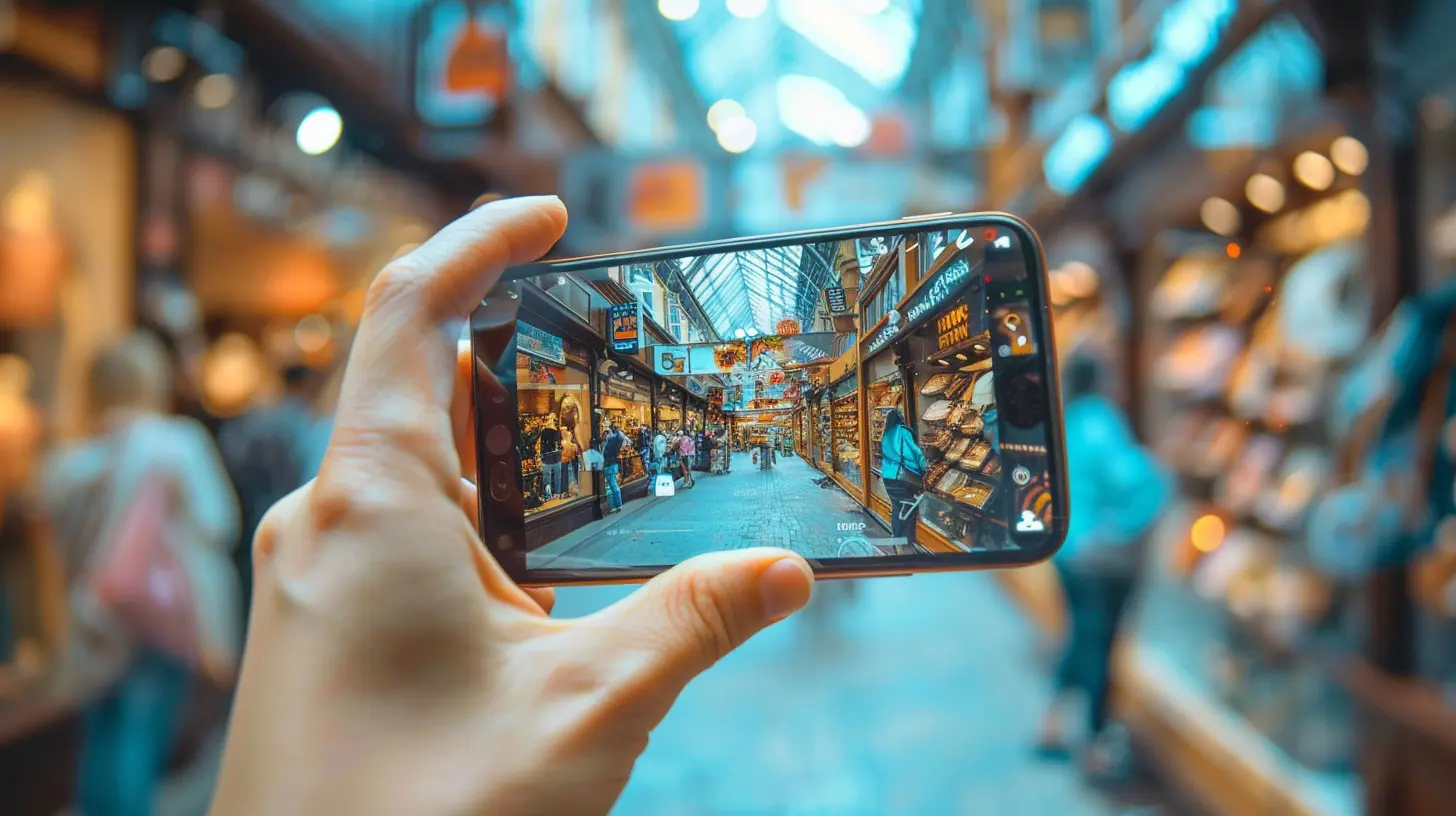
What is Augmented Reality (AR) and How Does it Work?
Before we dive into its impact, let’s quickly define Augmented Reality. AR enhances the real world by overlaying digital content—images, sounds, or even interactive elements—onto what you see in real life through devices like smartphones, tablets, or AR glasses.Unlike Virtual Reality (VR), which fully immerses users in a digital world, AR keeps you grounded in reality while enriching it with digital add-ons. This makes AR perfect for shopping, where customers can try before they buy, boosting confidence in their purchases. 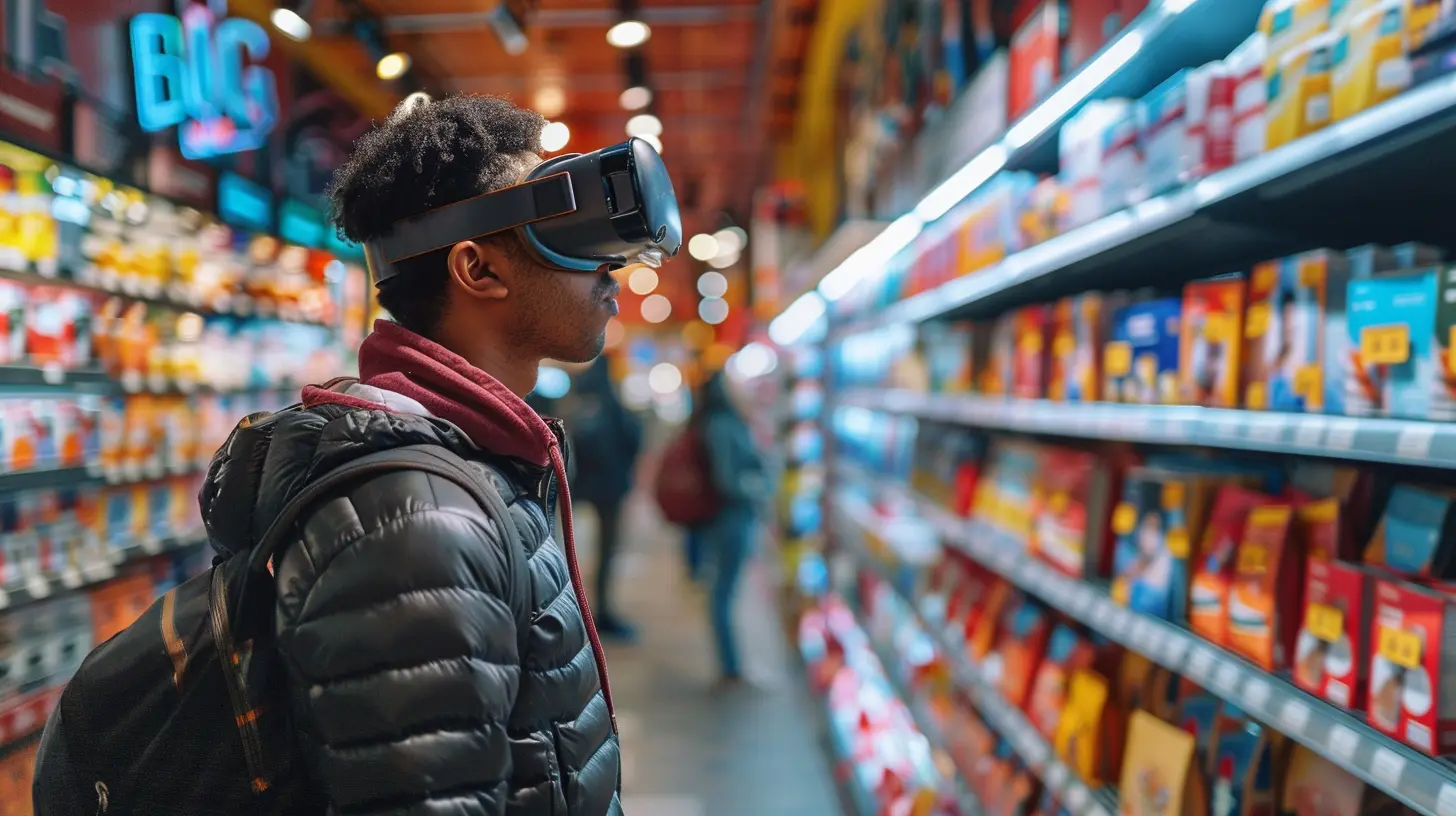
How Augmented Reality is Transforming the Shopping Experience
1. Try Before You Buy: Virtual Try-Ons
One of the biggest hurdles in online shopping is not knowing how a product will look on you. AR solves this with virtual try-ons.- Clothing & Accessories: Brands like Zara and Gucci allow customers to see how clothes, shoes, and accessories will look on them without physically trying them on.
- Makeup & Beauty: Companies like Sephora and L’Oréal use AR mirrors that let you test lipstick, eyeshadow, and foundation shades right from your phone.
- Eyewear: Trying on glasses online has never been easier! Brands like Warby Parker offer AR-powered try-ons that display how different frames fit your face shape.
This feature cuts down uncertainty, reduces unnecessary returns, and makes shopping far more personalized and convenient.
2. Furnish Your Home with AR-Powered Previews
Picture this: You’re shopping for a new couch but aren’t sure if it will fit in your living room or match the decor. With AR-powered previews, you can place digital furniture in your space using your phone’s camera.Big names like IKEA’s AR app, Amazon's "View in Your Room" feature, and Wayfair enable users to visualize furniture, appliances, and decor right in their homes before purchasing.
No more guesswork. No more returning bulky furniture. Just a seamless and confident shopping experience.
3. Interactive Shopping: AR-Powered Store Experiences
AR isn’t just for online shopping—it’s changing the game inside physical stores, too. Retailers are using AR to create interactive shopping experiences that make visiting a store more engaging and informative.- Smart Mirrors: Walk into an H&M or Nike store, and you might find an AR mirror that lets you try on different outfits without changing clothes.
- Product Scanners: AR-enabled apps allow customers to scan a product’s barcode and instantly get details, reviews, or even video explanations.
- Gamification: Some brands are making shopping fun by adding AR-driven games, giving discounts or rewards to customers who participate.
Think of it as the Pokemon Go of shopping—except instead of catching creatures, you're snagging great deals!
4. Personalized Shopping with AI & AR
AR isn’t operating alone. When combined with Artificial Intelligence (AI), it creates hyper-personalized shopping experiences.- AI-powered AR assistants can analyze your past purchases and preferences to suggest products tailored specifically for you.
- Smart recommendations can show you outfits that match your body type, skin tone, or style preferences using AR overlays.
- Virtual shopping assistants help guide you through a store, showing you exactly where to find what you need.
It's like having a personal stylist or shopping assistant right in your pocket—giving you recommendations that actually make sense for you.
5. Reducing Returns & Boosting Customer Confidence
One of the biggest pain points for both shoppers and retailers is returns. Many people hesitate to buy online because they’re unsure if the product will meet their expectations.With AR, customers can:
- Try before they buy to ensure proper fit, color, and style.
- View 3D models of products to gauge size and design in real-world settings.
- Interact with digital versions of items, reducing post-purchase disappointment.
This translates into fewer returns, happier customers, and huge savings for businesses.
6. Enhancing E-Commerce with AR Shopping Apps
E-commerce giants are heavily investing in AR shopping apps. Here are some brands leading the charge:- Amazon & eBay: AR-powered product previews for home items, clothing, and gadgets.
- Walmart: AR-enabled store navigation and shopping assistance.
- Nike Fit: Uses AR to scan your feet and recommend the perfect shoe size.
With these innovations, mobile shopping is becoming more immersive, accurate, and fun. 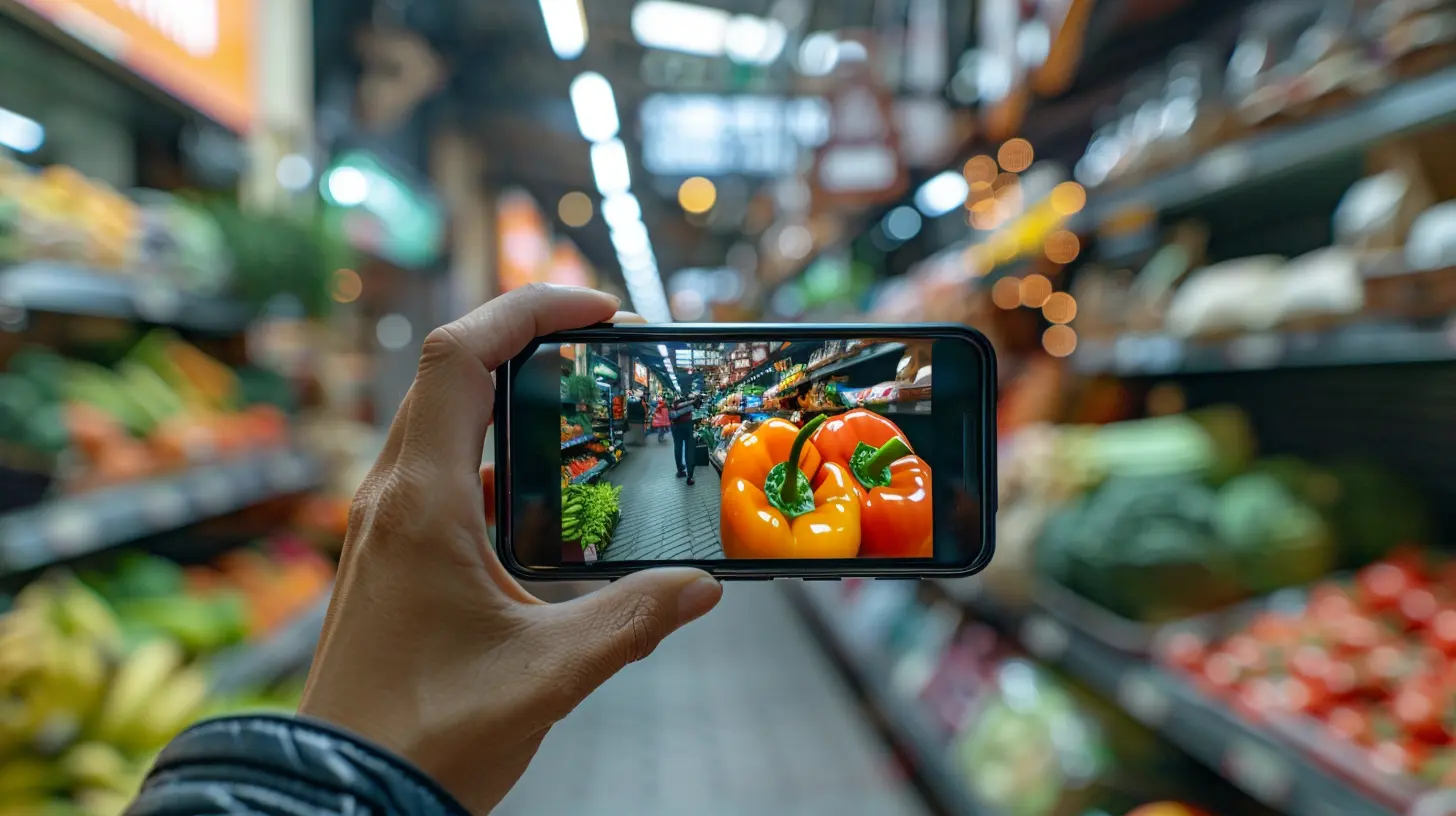
Challenges of AR in Shopping
While AR is revolutionizing the shopping experience, it’s not all smooth sailing. Here are some challenges that brands and retailers face:- Technology Limitations: Not all devices support AR, limiting access.
- High Implementation Costs: Developing AR features requires investment in tech and expertise.
- User Adoption: Some shoppers are still unfamiliar with AR and hesitant to use it.
Despite these hurdles, the benefits of AR shopping far outweigh the challenges, and adoption is growing rapidly. 
The Future of AR Shopping
The AR shopping experience is just getting started. With advances in 5G, AI, and AR glasses, we can expect even more seamless, immersive, and personalized shopping experiences.A few things we might see in the near future:
- Augmented Reality Malls – Virtual malls where you can shop with AR-powered avatars.
- Advanced Haptic Feedback – Feel textures and materials of products virtually.
- AR Shopping in the Metaverse – Virtual shopping districts where brands create interactive stores.
Retail will continue evolving, and soon, traditional shopping—both online and offline—may look completely different.
Final Thoughts
Augmented Reality is reshaping the shopping experience in ways we never imagined. From virtual try-ons to AR-powered home previews and interactive in-store experiences, it’s revolutionizing how people shop.With brands embracing AR, shopping is no longer just about buying—it’s about experiencing, interacting, and making confident purchasing decisions. Whether you’re a brand or a consumer, AR is making shopping easier, smarter, and way more fun.
Are you ready to embrace the AR shopping revolution?
all images in this post were generated using AI tools
Category:
Tech InnovationsAuthor:

Adeline Taylor
Discussion
rate this article
1 comments
Elise Kline
Augmented reality is reshaping the shopping landscape by bridging the gap between online and in-store experiences. It allows customers to visualize products in their own spaces, enhancing decision-making. While some may find it gimmicky, its potential to personalize shopping is undeniably exciting for both retailers and consumers alike.
July 12, 2026 at 12:55 PM
Adeline Taylor
Absolutely agree! Augmented reality brings a whole new dimension to shopping, making it more interactive and tailored to individual preferences. It's an exciting time for both shoppers and retailers.