How Augmented Reality Could Break Into Daily Life by 2027
29 September 2026
Augmented reality has been the next big thing for roughly a decade. Headsets came and went. Demos impressed and then gathered dust. Yet something feels different now. The pieces that were missing are quietly falling into place, and the timeline to 2027 is not arbitrary. It reflects a convergence of hardware, software, and human factors that could finally push AR out of novelty territory and into the rhythm of ordinary days.
This is not a prediction that everyone will wear smart glasses everywhere. That framing has failed before and will fail again. The more realistic story is messier, more incremental, and far more interesting. AR will not arrive as a single moment. It will seep in through specific tasks, specific places, and specific moments of frustration where a screen in your hand suddenly feels inadequate.
Why 2027 Is the Inflection Point, Not 2020 or 2030
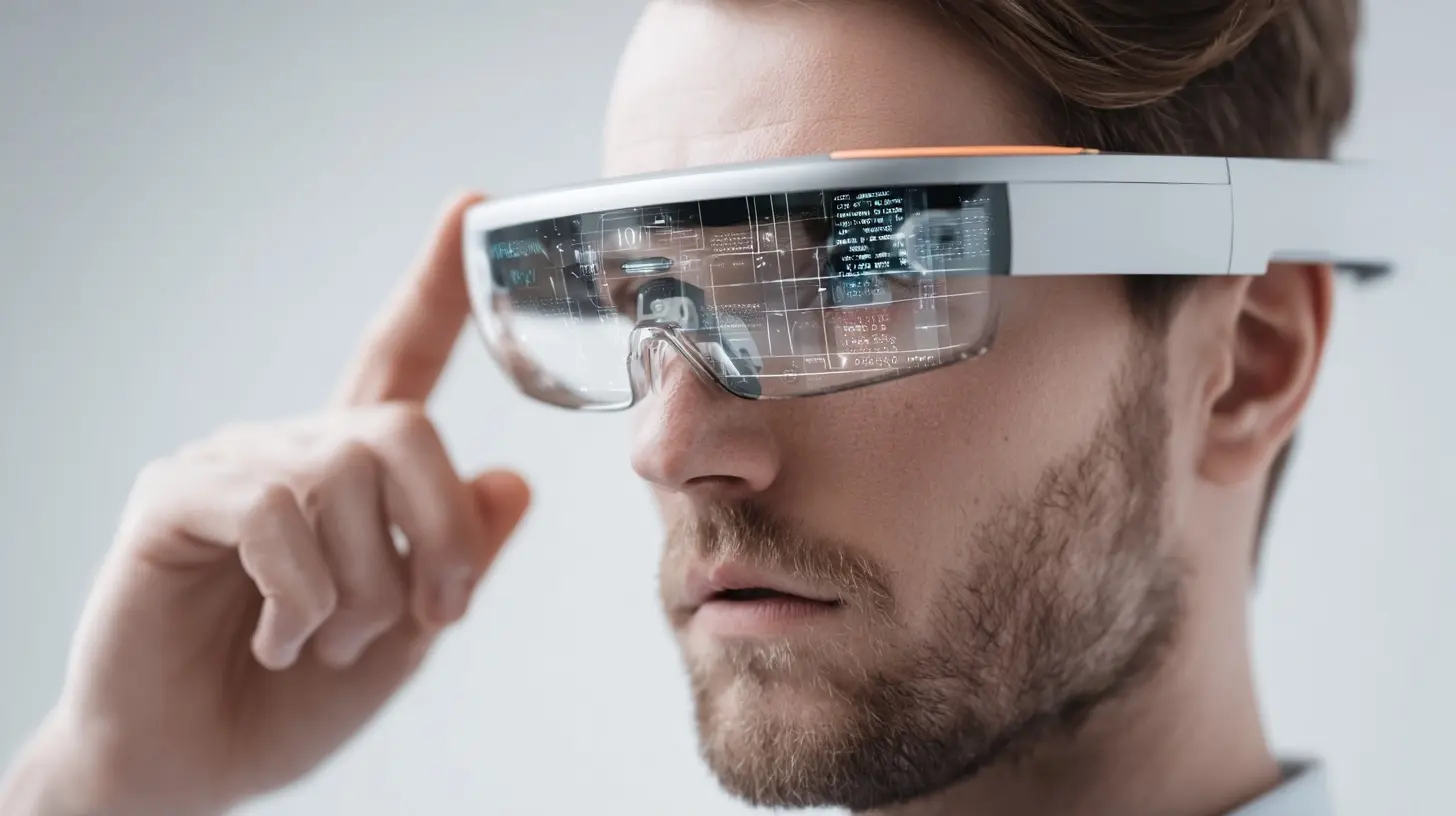
Timing arguments in tech are usually lazy. People pick a round number and reverse engineer enthusiasm. The case for 2027 rests on three concrete constraints that have historically blocked AR from everyday use: weight, battery, and social acceptability.Weight matters more than resolution. A device that sits on your face all day cannot exceed roughly the mass of a pair of thick sunglasses without causing fatigue. Early AR headsets weighed several times that. Component miniaturization, better thermal design, and the shift toward waveguide optics have steadily reduced the penalty. By the mid-2020s, several vendors demonstrated glasses-class devices that were genuinely wearable for hours, even if their field of view remained modest.
Battery is the second constraint. AR glasses that stream video and run spatial tracking consume power fast. Two shifts help here. First, the division of labor between the glasses and a phone or companion device. Second, more efficient chips designed specifically for always-on sensing rather than peak performance. A device that lasts four hours is a toy. A device that lasts a full workday with moderate use is a tool.
Social acceptability is the constraint people underestimate. Google Glass failed less because of technology and more because of how it looked and what it implied. People did not want to be recorded. They did not want to look like they were from a sci-fi film. The current generation of glasses looks closer to normal eyewear, and crucially, the industry has learned to signal recording status clearly and visibly. That single design decision changes how bystanders react.
The Three Tiers of AR That Will Coexist
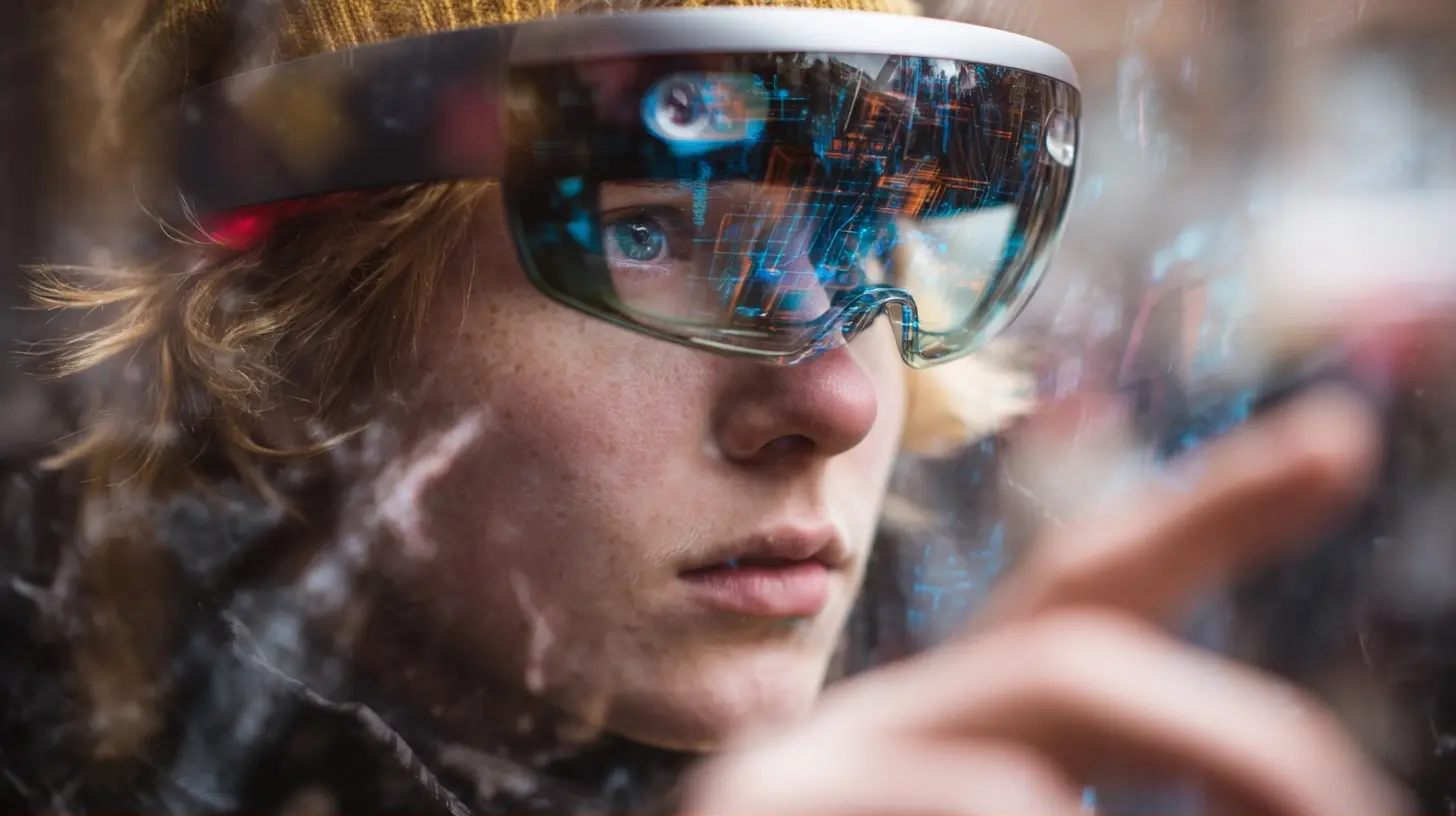
Treating AR as one product category is a mistake. By 2027, three distinct tiers will serve different needs and different moments.Tier One: The Phone as the AR Engine
This is the tier most people already use without calling it AR. Live translation through a camera. Furniture placement apps. Navigation overlays on a walking route. The phone is a capable AR device with one flaw: you have to hold it up, which breaks the illusion and tires your arm.Phone-based AR will not disappear. It will become the default for occasional, deliberate tasks. When you need to measure a room or visualize a paint color, pulling out a phone is fine. The friction is acceptable because the task is short.
Tier Two: Audio-First Smart Glasses
This is the sleeper category. Glasses that provide audio, a camera, and a minimal heads-up display, but no full visual overlay. They handle notifications, navigation prompts, and quick capture. They look like glasses. They cost less than a flagship phone.The reason this tier matters is that it solves the social problem first and the technical problem second. A person wearing audio-first glasses is not visibly different from anyone else. That normalcy is the gateway. Once people accept glasses that talk and occasionally show a small card of text, the leap to richer visuals becomes smaller.
Tier three: Full Visual AR
This is what most people imagine when they hear augmented reality. Persistent digital objects anchored to the physical world, visible through the lenses. Full visual AR will exist by 2027, but it will be expensive, limited in field of view, and primarily used in workplaces rather than sidewalks.A surgeon reviewing imaging without looking away from the patient. A technician following repair instructions overlaid on the machine. An architect walking a client through an unbuilt space. These use cases justify the cost and the awkwardness because the value is concentrated and the environment is controlled.
What Actually Has to Work for Daily Adoption
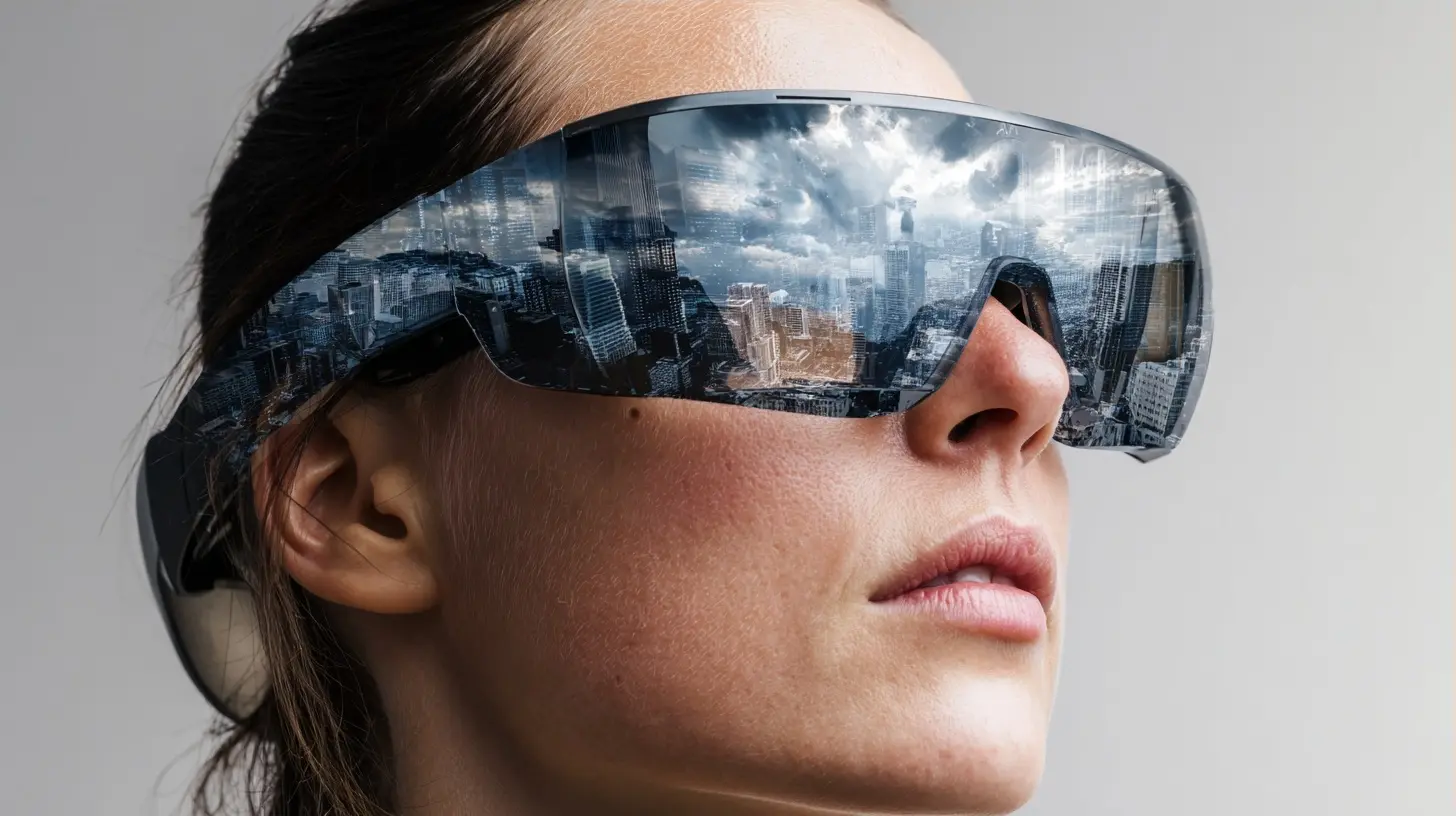
Feature lists do not drive adoption. Friction removal does. Four capabilities determine whether AR becomes a habit or a novelty.Spatial Anchoring That Survives Movement
Digital objects must stay put. If a virtual label drifts when you turn your head, the illusion collapses and trust evaporates. This sounds basic, but reliable anchoring in varied lighting and cluttered environments remains difficult. The best systems combine visual tracking with inertial sensors and, increasingly, depth sensing. When any one of these fails, the experience degrades.The practical question for buyers is not "does it anchor?" but "does it anchor in my environment?" A device that works in a bright living room may struggle in a dim warehouse or outdoors at noon. Test in your actual conditions.
Input That Does Not Embarrass You
Voice commands work until you are in public. Hand gestures work until your hands are full. Eye tracking works until you need precision. The winning approach is layered input: a ring or watch for subtle control, voice for short commands, and gaze for selection.This is where many early AR products failed. They assumed one input method would suffice. It never does. The best systems let you choose based on context, and they do not force you into a single awkward interaction pattern.
Battery Life That Matches Real Days
A device that dies at 2 PM is worse than no device at all. The industry is moving toward a model where the glasses do the sensing and display, while a phone or a small puck handles heavy computation. This split preserves battery and keeps the glasses light.The trade-off is tethering. A cable or a wireless link adds friction. Bluetooth and Wi-Fi can introduce latency. The best implementations hide this well, but the compromise is real. Buyers should ask how the device behaves when the companion is out of range.
Content That Justifies Wearing Them
Hardware without software is a paperweight. The apps that will matter are not games. They are utilities. Live captions for conversations. Turn-by-turn directions that do not require looking down. Instant translation of signs. Access to instructions while both hands are busy.The test is simple. If you would not reach for your phone for the task, AR is not the answer. If you would, and the phone is inconvenient, AR has a case.

Where AR Will Show Up First
Adoption follows value density. The places where a small improvement is worth real money and mild awkwardness will lead.Workplaces With High Stakes and Hands-Free Needs
Manufacturing, logistics, field service, and medicine share a profile: trained workers, expensive errors, and hands that are often occupied. AR glasses that display checklists, remote expert feeds, or thermal overlays deliver measurable value. The ROI is calculable. The awkwardness is contained within a workplace.This is where the most durable AR businesses will be built. Not consumer fashion, but industrial utility.
Navigation and Transit
Walking navigation is a quiet killer app. Looking down at a phone while crossing a street is genuinely dangerous. A subtle arrow in your peripheral vision solves a real problem. The challenge is accuracy. GPS drifts. Urban canyons confuse signals. Visual positioning systems that recognize landmarks are improving, but they require mapping coverage.Expect this to work well in dense, well-mapped cities first. Suburbs and rural areas will lag.
Accessibility
Live captions, object recognition, and audio descriptions are transformative for people with hearing or vision limitations. This is arguably the most compelling near-term case for AR glasses, and it is underappreciated. A device that captions a conversation in real time changes lives in a way that a floating dinosaur does not.The business model here is tricky because accessibility features are often expected to be free or subsidized. But the social value is enormous, and it may drive policy support.
Live Translation
Travel and multilingual workplaces benefit immediately. Point at a menu, see it in your language. Sit in a meeting, read subtitles. The technology is close, though latency and accuracy vary by language pair. For high-stakes legal or medical conversations, human interpreters remain essential.The Misconceptions That Will Slow Things Down
"AR Will Replace Phones"
No. Phones are better at most things. Typing, browsing, photography, and video consumption work well on a slab of glass. AR adds value in specific contexts, not all of them. The realistic future is coexistence, not replacement."Everyone Will Wear Them All Day"
Some will. Most will not. Glasses are a fashion item, a comfort item, and a social signal. Wearing them all day requires solving problems that have nothing to do with technology. Expect usage to be situational: work, travel, specific tasks."The Killer App Is Gaming"
Games drove early interest, but they are not the foundation of daily use. Utility is. The people who wear AR glasses every day in 2027 will do so because the device helps them do something they already do, better."Privacy Concerns Will Kill It"
Privacy concerns will shape it, not kill it. Clear recording indicators, local processing, and strong data controls are becoming table stakes. Companies that ignore this will face backlash. Companies that design for trust will gain permission to operate.
Practical Advice Before You Buy
If you are considering AR glasses in the next few years, here is what to weigh.Start with the task, not the device. Write down three moments in your week where a screen in your hand is inconvenient. If AR does not clearly solve those, wait.
Prioritize comfort over specs. A device you wear is a device you use. If it pinches, heats up, or looks strange, it will stay in a drawer regardless of resolution.
Check the ecosystem. Does it work with your phone? Your calendar? Your messaging apps? Locked-down devices with thin app support are frustrating.
Test in your environment. Bright light, dim rooms, crowded spaces. Anchoring and display visibility vary wildly.
Understand the battery trade-off. Ask about real-world usage, not lab numbers. Ask what happens when the companion device is absent.
Think about the social cost. Who will you be around? Will they be comfortable? Will you?
What Could Go Wrong
Optimism needs a counterweight. Several things could delay the 2027 timeline.Regulatory pressure on camera-equipped wearables could restrict use in public spaces. Battery chemistry may not improve fast enough. A high-profile privacy scandal could chill adoption. Content ecosystems may fail to materialize, leaving hardware without reasons to exist. And the simple fact that people are slow to change habits.
None of these are fatal, but any of them could push the timeline by a year or two. The direction is clear. The pace is not guaranteed.
What to Watch Between Now and 2027
Three signals will tell you whether the timeline is holding.First, watch the weight and battery specs of new glasses. If devices hit all-day comfort with meaningful display, the inflection is near.
Second, watch enterprise deployments. When large employers roll out AR at scale, the hardware is ready and the software is proven.
Third, watch accessibility adoption. If captioning and object recognition become standard features rather than add-ons, AR has found its moral and practical center.
The Quiet Arrival
The most likely future is not a dramatic one. There will be no single day when AR "arrives." Instead, you will notice that your glasses tell you which way to walk. That a colleague's name appears when you meet them. That a machine's error code is explained before you ask. That a sign in a foreign city makes sense.By 2027, AR will not dominate daily life. It will inhabit the edges of it, in specific tasks and specific places, doing quiet work that your phone cannot do well. That is how real technology breaks in. Not with a bang, but with a shrug and a habit you did not notice forming.
all images in this post were generated using AI tools
Category:
Technology ReviewsAuthor:

Adeline Taylor