Exploring the World of Augmented Reality in Everyday Tech
4 July 2026
Augmented Reality (AR) isn’t just a sci-fi dream anymore. It's not some futuristic concept that you only see in movies. It's happening, right now, and it's blending seamlessly into our everyday lives. From gaming to shopping to healthcare, AR is transforming the way we interact with the world around us. And the best part? You don’t need to wear some bulky headset or dive into a high-tech lab to experience it. AR is already in your pocket, embedded in the everyday tech gadgets that you use.
But what exactly is augmented reality, and how is it shaping the gadgets we use daily? Let’s dive into the fascinating world of AR and see how it's making its mark in the tech space.

What Is Augmented Reality?
Alright, let’s strip it down to basics. Augmented Reality (AR) is all about enhancing the real world with digital elements. Unlike Virtual Reality (VR), which pulls you into an entirely artificial environment, AR overlays virtual objects, sounds, and other sensory stimuli onto the physical world. So, you’re still very much in your own space, but with an added layer of digital magic sprinkled over it.Think of it like wearing glasses that show you things that aren't really there — like virtual guideposts in a city or a Pokémon chilling next to your coffee cup. Pretty cool, right?
AR in Smartphones: The Gateway to Everyday Augmented Experiences
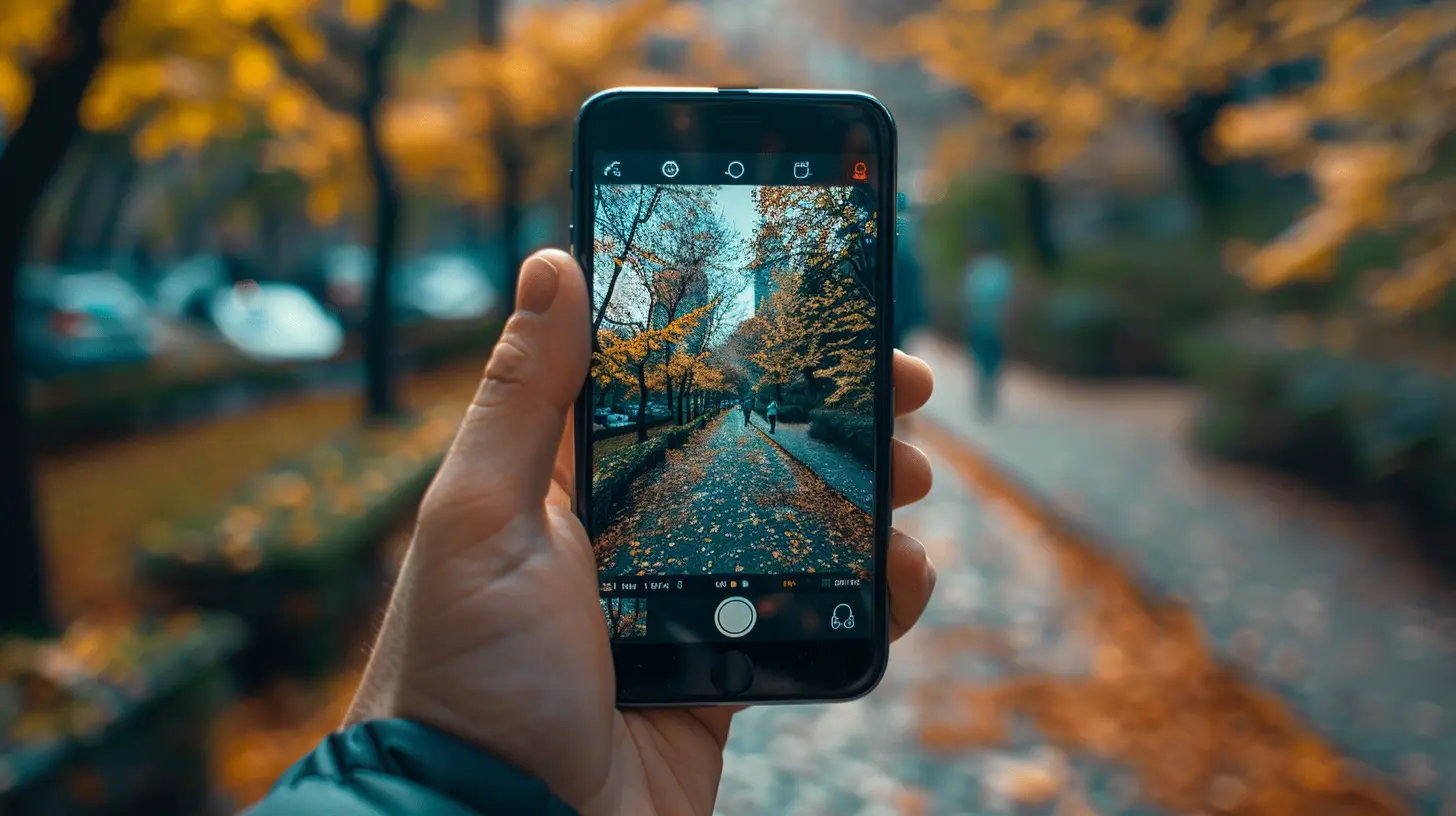
When we talk about AR in everyday tech, the first thing that comes to mind is your smartphone. In fact, your phone probably already has AR capabilities, and you might’ve used it without even realizing it!AR Gaming: Pokémon GO!
Remember the craze around Pokémon GO? People were running around parks, streets, and malls, trying to "catch 'em all." It was one of the first mainstream examples of AR in action. The game placed virtual Pokémon into real-world locations, and suddenly, the entire planet was a giant playground. Using your phone’s GPS and camera, you could see a Pikachu hanging out by your local library or a Bulbasaur hiding in your backyard.This game was a massive hit, partly because it was a fun, interactive way to explore AR on a device everyone already owns — a smartphone. It also showed the world how AR could be used for more than just fancy tech demos.
AR Filters and Lenses: Snapchat, Instagram, and TikTok
Let’s face it, we all love a good filter. Whether it’s dog ears on Snapchat or enhancing your selfies on Instagram, AR has become a regular feature in social media apps. These filters are a perfect example of AR in action. You’re taking a video or a photo, and the app is overlaying virtual effects in real time — whether it’s a flower crown, cartoon glasses, or even full 3D animations.This kind of AR is super accessible because it’s baked into platforms that millions of people use every day. You don’t need any special tech, just your phone, and boom — you’re in the world of AR.
AR in Shopping: Virtual Try-Ons
Hate trying on clothes at stores? You’re not alone. This is where AR steps in to save the day. Many brands are now using AR to allow customers to try on clothes, makeup, and even furniture virtually. Imagine pointing your phone camera at yourself and seeing how that jacket would look on you without even stepping foot into the store. Or how that new couch would fit into your living room before buying it online.Brands like IKEA, Sephora, and even Gucci have jumped on this AR trend, making online shopping not only more fun but also more practical. It’s like having a personal stylist or interior designer right on your phone.
AR in Wearables: A New Frontier for Interaction
While smartphones are the most ubiquitous device for AR right now, the wearable tech space is quickly catching up. And when we talk wearables, it’s not just about smartwatches or fitness trackers anymore.AR Glasses: A Window to the Future
Google Glass? Remember that? It was one of the first attempts at AR wearables, but it didn’t quite hit the mark. Fast forward to today, and AR glasses have gotten way more advanced. Companies like Apple, Facebook (Meta), and Microsoft are working on sleek AR glasses that can display notifications, maps, and even videos right in front of your eyes — without you ever having to glance down at your phone.Imagine walking down the street, and instead of pulling out your phone to check directions, the path lights up in front of you through your glasses. Or receiving a text message, and it pops up in your field of vision. It’s like something straight out of a spy movie.
Smart Helmets: Augmenting the Industrial World
While AR glasses are still making their way to the consumer market, AR helmets are already being used in various industries. Construction workers, engineers, and medical professionals are using AR helmets to overlay important information as they work. For example, a surgeon could wear an AR-equipped helmet that displays critical patient data in real time, or a factory worker could see assembly instructions right in front of their eyes while working on complex machinery.
AR in Education: Learning in a Whole New Way
Education is another sphere where AR is making waves. Traditional learning methods are great, but let’s be honest — they’re not always the most engaging. AR is changing that by turning classrooms into interactive learning environments.AR Apps for Students
Imagine studying human anatomy, and instead of staring at pages in a textbook, you can use an AR app to explore a 3D model of the human body. You can zoom in on organs, rotate the model, and see how everything works together. It’s a far more immersive and interactive way to learn.The same concept applies to subjects like history, where AR can bring historical events to life. Stand in your living room and witness a 3D reenactment of the signing of the Declaration of Independence or the fall of the Berlin Wall. It makes learning not only more fun but also more memorable.
AR for Teachers
It’s not just students who benefit from AR. Teachers can use AR to create more dynamic lessons by integrating interactive, digital content into their teaching materials. For example, AR can be used to project 3D models of historical artifacts or scientific experiments directly into the classroom, making it easier for students to grasp complex concepts.AR in Healthcare: Augmenting Medicine
The healthcare industry is also embracing AR in fascinating ways. From diagnostics to surgeries, AR is helping medical professionals perform their tasks with greater precision and efficiency.AR in Surgery
One of the most promising uses of AR in healthcare is its application in surgery. Surgeons can use AR to visualize a patient’s anatomy in real-time, guiding them through complex procedures. By overlaying a 3D image of the patient’s organs, arteries, or bones, AR can help surgeons avoid complications and improve outcomes.AR for Patient Care
AR is also being used to help patients understand their treatment plans. For example, a doctor could use AR to show a patient how a surgical procedure will be performed or to explain how a specific treatment will affect their body. This not only makes the process less intimidating but also helps patients feel more informed and involved in their care.
AR in Navigation and Travel: A New Way to Explore
Ever gotten lost in an unfamiliar city? AR is here to help. Navigation apps like Google Maps are already incorporating AR to make getting around easier.AR Walking Directions
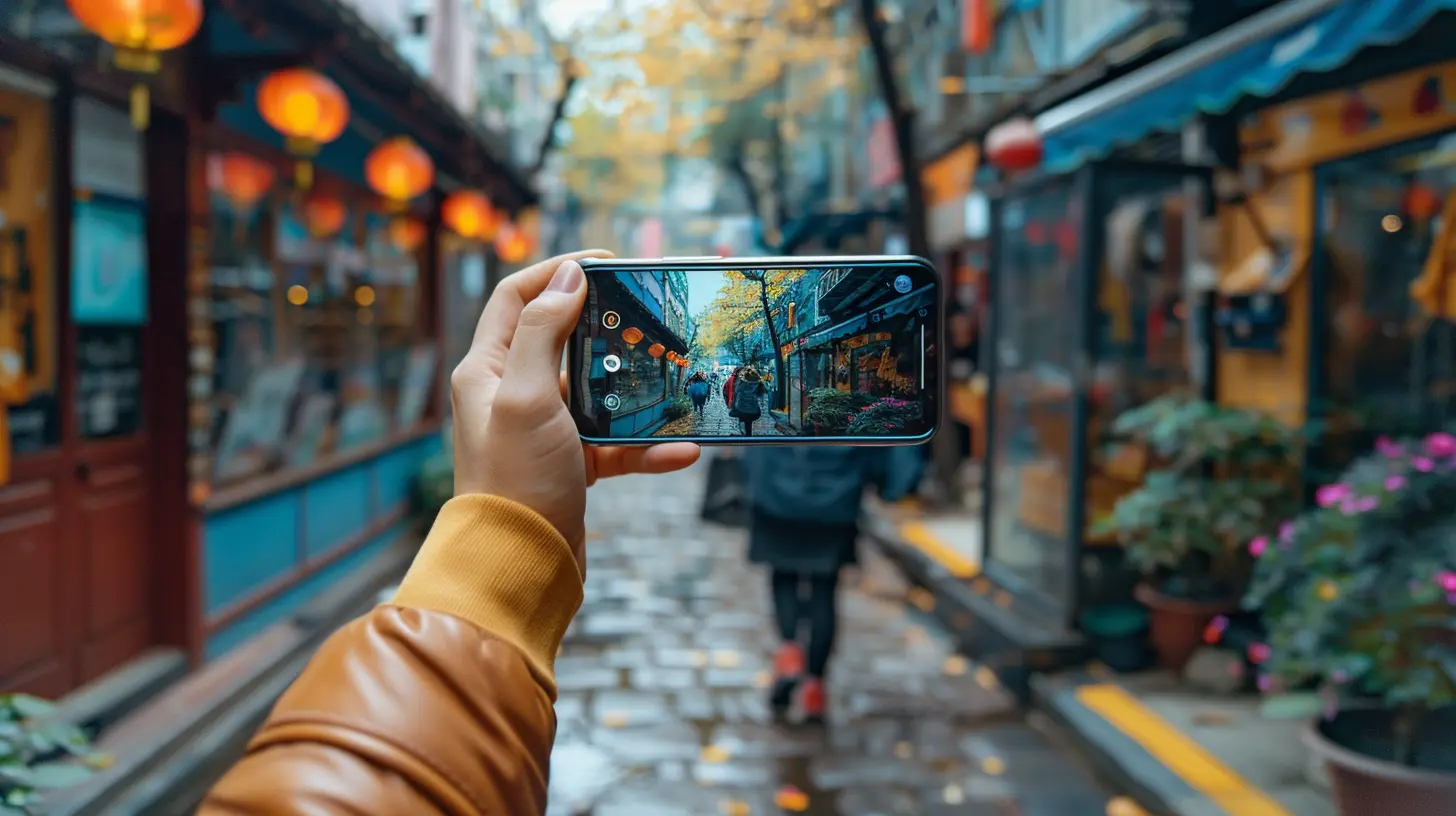
You know how frustrating it can be when you’re trying to follow GPS directions, and you’re not sure which way to go? AR solves that by overlaying directions directly onto the real world. Just point your phone at the street, and arrows will appear on your screen, guiding you to your destination. It’s like having a tour guide in your pocket — minus the cheesy jokes.AR in Travel Experiences
AR is also enhancing travel experiences by providing interactive, virtual tours. Imagine visiting ancient ruins and using your phone or AR glasses to see what the site looked like thousands of years ago. Museums are also using AR to add an interactive layer to exhibits, allowing visitors to get more information or watch historical reenactments by simply pointing their phone at an artifact.The Future of AR: What’s Next?
The world of AR is still evolving, and we’re only scratching the surface of what it can do. As the technology improves, we can expect AR to become even more integrated into our everyday lives — from smart homes to immersive entertainment experiences. The possibilities are endless, and the future looks incredibly exciting.But here’s the big question: Are we ready for a fully augmented world? With AR becoming more accessible and advanced, it’s only a matter of time before it’s as common as smartphones are today. The real challenge will be figuring out how to use this powerful technology in ways that are both practical and meaningful.
Final Thoughts: Embracing AR in Everyday Tech
At the end of the day, augmented reality is reshaping how we interact with the world — and it's doing so in ways we never imagined. From enhancing our shopping experiences to making surgeries safer, AR is making technology more interactive, fun, and useful. And the best part? It’s happening all around us, in the gadgets and devices we already use every day.So the next time you snap a selfie with a fun filter or use Google Maps to find your way, remember that you’re already part of the AR revolution. And as the technology continues to evolve, the line between the digital and physical worlds will blur even further, making our everyday tech even more magical.
all images in this post were generated using AI tools
Category:
Tech InnovationsAuthor:

Adeline Taylor
Discussion
rate this article
1 comments
Idris McPherson
Augmented reality is transforming daily tech experiences, from smartphone apps enhancing shopping to smart glasses providing real-time information, making our interactions richer and more interactive.
July 4, 2026 at 2:27 AM
Adeline Taylor
Absolutely, augmented reality really does enhance our daily tech interactions, creating more immersive experiences across various applications. It's exciting to see where it will lead us next.