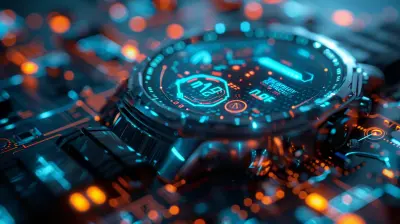
Biodegradable Gadgets: The Next Step in Sustainable Tech
11 February 2026
In a world choking on plastic and buzzing with electronics, our love affair with technology has a dark side. That brand-new phone? It’s shiny, smart, and sleek — but once it's tossed, it’s more likely to outlive you in a landfill than spark another conversation. As much as we adore our gadgets, they come with a heavy environmental price tag. But what if our tech could decompose like fallen leaves in autumn? What if our devices helped the earth instead of hurting it?
Welcome to the age of biodegradable gadgets, where science, sustainability, and innovation collide in the most beautiful way imaginable. This isn't science fiction — it's happening now, and it's flipping the script on how we think about consumer electronics.
🌿 The Problem with Traditional Tech
Let’s get real for a second.Right now, the world is dealing with e-waste at an alarming scale. Each year we produce over 50 million metric tons of electronic waste — most of it ending up in landfills or being incinerated. Toxic metals like lead, mercury, and cadmium leach into the soil and water, polluting ecosystems and harming human health.
We’re upgrading our devices faster than ever — chasing sleeker screens and smarter features — while the old ones pile up, out of sight and out of mind. But out of sight shouldn’t mean out of responsibility, right?
That’s where biodegradable tech steps in, like a breath of fresh (and clean) air.

🌱 What Are Biodegradable Gadgets?
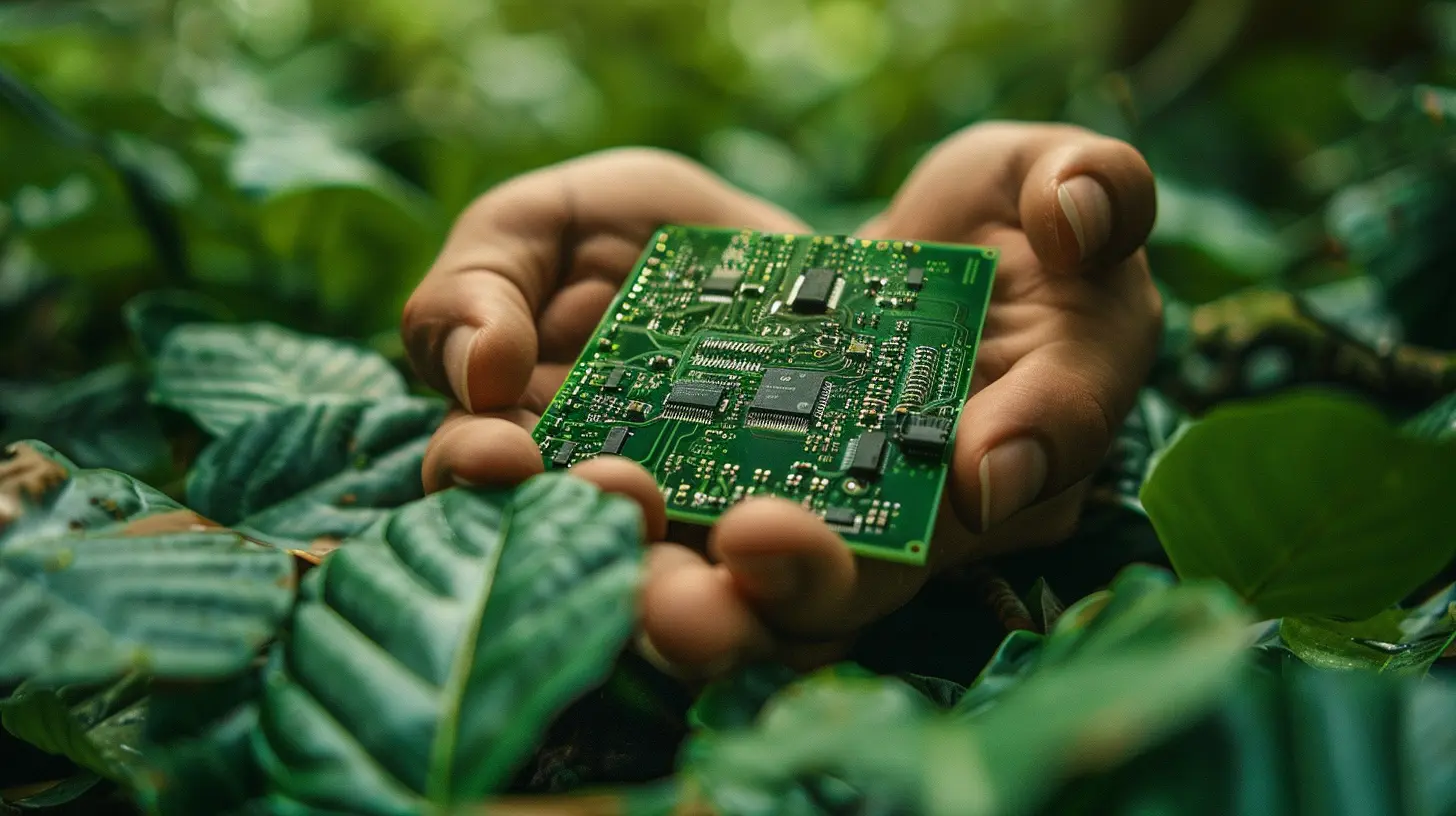
Let's break it down: biodegradable gadgets are electronic devices designed with materials that naturally decompose over time when exposed to microorganisms, moisture, and oxygen. Instead of sticking around for centuries, they fade away gracefully, leaving behind minimal harm — kind of like gadgets that return to the earth after they've served their purpose.They’re not made with your typical plastic, metal, and glass. Instead, think natural fibers, plant-based polymers, silk proteins, and biodegradable circuit boards that dissolve without leaving a trace. Even the batteries in some of these devices are being reimagined using eco-friendly materials.
Imagine a world where your fitness tracker becomes compost after its last mile. Sounds poetic, doesn’t it?

⚙️ How Do Biodegradable Electronics Work?
Now, you might be thinking: "Wait, electronics that dissolve? How does that even work?"Great question.
Here's the magic: biodegradable electronics use organic materials that can conduct electricity just like traditional metals. Think of things like carbon-based semiconductors, silicon nanomembranes, or magnesium wiring. These elements are embedded into substrates made from natural materials such as cellulose (like in paper) or silk.
One of the big breakthroughs in this field? Transient electronics — that's the fancy term for devices engineered to perform their task for a set period and then gently break down under specific conditions like exposure to moisture or heat.
It’s like Cinderella’s ball gown — beautiful and functional, but designed to disappear at midnight.

🧪 The Science Behind the Sustainability
When you tear down a traditional gadget, it’s like opening Pandora’s box: rare earth metals, toxic chemicals, plastic housing — none of which were designed with sustainability in mind.But biodegradable devices flip the equation. They’re designed with sustainability baked in from the beginning. Here are some of the eco-friendly materials they're using:
- Polylactic Acid (PLA): Derived from corn starch or sugarcane, used in cases and shells.
- Silk Fibroin: A silk protein that can be used for flexible circuits.
- Cellulose Nanofibers: Lightweight, strong, and biodegradable — perfect for device substrates.
- Zinc and Magnesium: Biodegradable metals for wiring and circuits.
- Organic LEDs (OLEDs): Made with carbon-based compounds that degrade safely.
The real wonder? These materials don’t sacrifice performance. In fact, they’re often lighter, more flexible, and even more energy-efficient.
🌍 Why the World Desperately Needs Biodegradable Tech
Let’s be honest — the tech industry doesn’t exactly have a clean record.For decades, it’s been about mass production, built-in obsolescence, and a throwaway culture. But with climate change no longer a distant threat, it's time to rewire our priorities.
Biodegradable gadgets don’t just reduce waste — they redefine the lifecycle of tech. They bring us closer to a circular economy where materials are reused, renewed, or returned to the earth without harm.
And it’s not just about being green — it’s about being smart. Cities around the world are running out of places to put trash. Natural resources are becoming scarce. Consumers are demanding more ethical, eco-conscious products.
Biodegradable tech answers the call. Loud and clear.
🔮 Cutting-Edge Examples of Biodegradable Gadgets
Alright, let’s get to the cool stuff. What’s already out there, and what’s coming?🧠 Biodegradable Sensors
Researchers have developed biodegradable biomedical sensors that dissolve harmlessly inside the body after monitoring vital signs. No surgery required to remove them. Mind = blown.📱 Paper Phones
Yes, you read that right. Scientists have created a functioning phone prototype made largely from paper-based materials. When you're done? Toss it into your compost bin.🎧 Eco-Earbuds
Brands like House of Marley are already producing audio gear with sustainable materials like bamboo, recycled aluminum, and natural wood. Fully biodegradable versions are in the works — music to Mother Earth’s ears.🔋 Edible Batteries
Okay, maybe you won't actually eat them, but researchers are developing biodegradable batteries made from salt, silk, or even vitamin C. Delightfully disruptive.💡 Temporary RFID Tags
Imagine shipping labels or produce stickers that disappear after a few days. That’s the beauty of transient RFID tags, which vanish without leaving behind plastic waste.🛠️ The Challenges Ahead
It’s not all rainbows and rose petals — yet.Biodegradable tech faces several speed bumps:
- Durability: These gadgets need to last long enough to be useful — but not so long that they become waste.
- Mass Production: Many biodegradable materials aren’t yet scalable for big production lines.
- Cost: Right now, the tech can be expensive. But as adoption grows, economies of scale will kick in.
- Regulation and Standardization: What counts as "biodegradable"? There’s a need to define clear industry standards.
Still, these challenges are being tackled fast. The momentum can’t be stopped — and why should it? The future is calling. And it’s compostable.
🌐 Big Brands Starting to Notice
This isn’t just a niche thing for eco-nerds and scientists in lab coats. Major companies are taking notice.- Samsung is investing in sustainable production for its Galaxy phones.
- Apple has pledged to use 100% recycled or renewable materials.
- Fairphone is leading the way with modular, repairable, and ethical phones — biodegradable models are likely the next phase.
And startups? They're thriving. From biodegradable earbuds to compostable phone cases, these small but mighty innovators are pushing the envelope.
🚀 The Future Looks Green (and Glorious)
Let’s dream for a moment.Imagine your smartwatch measuring your heartbeat for a year, then gently breaking down into recyclable parts. Or your earbuds playing their last song, then dissolving into harmless elements. Imagine no wires in the ocean, no batteries buried in landfills, and no toxic tears in the rain.
Biodegradable gadgets aren't just a trend — they’re a revolution. We're rewriting the story of technology, turning it from toxic to tender, from harmful to healing.
This is about restoring balance. About harmonizing human invention with nature’s wisdom. About building technology that doesn’t dominate the Earth, but respects it.
And guess what? You're part of this revolution. Every click, every share, every decision to support sustainable tech moves the needle. So next time you're shopping for a new gadget — ask yourself: Is it smart for me and for the planet?
🎤 Final Thoughts
Biodegradable gadgets represent more than just cool tech. They symbolize a shift in mindset — from short-term convenience to long-term responsibility. From careless waste to conscious creation.We're entering an era where our devices won't just connect us to one another — they'll reconnect us to the planet.
And honestly? It’s about time.
Grab your compostable coffee cup and join the movement.
all images in this post were generated using AI tools
Category:
Tech InnovationsAuthor:

Adeline Taylor
Discussion
rate this article
2 comments
Brianna Stone
Biodegradable gadgets? Finally, tech that won't haunt us like last year’s smartphone! It’s about time we stop cluttering landfills with our obsolete toys. Here’s hoping these eco-friendly innovations are as stylish as they are sustainable. Let's make Mother Earth proud while we scroll endlessly through our feeds! 🌍✨
February 20, 2026 at 4:13 AM
Adeline Taylor
Absolutely! It’s exciting to see tech evolving towards sustainability. Let’s embrace these innovations for a cleaner planet while still enjoying our digital lives! 🌱
Mercy McKibben
Great read! 🌱 It’s exciting to see tech embracing sustainability. Biodegradable gadgets could be a game changer for our planet. Let’s keep innovating for a greener future—every small step counts! Keep up the awesome work!
February 18, 2026 at 3:27 AM
Adeline Taylor
Thank you! I completely agree—every innovation brings us closer to a sustainable future! 🌍✨