Are Wireless Earbuds Safe for Your Ears? Debunking the Myths
15 December 2025
Wireless earbuds have become a must-have accessory for many of us. Whether you're commuting to work, hitting the gym, or simply enjoying a podcast at home, these tiny devices make listening to music or taking calls super convenient. But with their increasing popularity comes a growing concern: "Are wireless earbuds safe for your ears?"
You’ve probably come across alarming headlines claiming that wireless earbuds can cause hearing loss, emit harmful radiation, or even mess with your brain. So, what’s the truth? Are we risking our health every time we pop these buds into our ears?
In this article, we’re going to debunk some of the most common myths and concerns surrounding wireless earbuds. We’ll dive deep into the science behind them, explore potential risks, and ultimately answer the question: Are wireless earbuds safe for your ears?
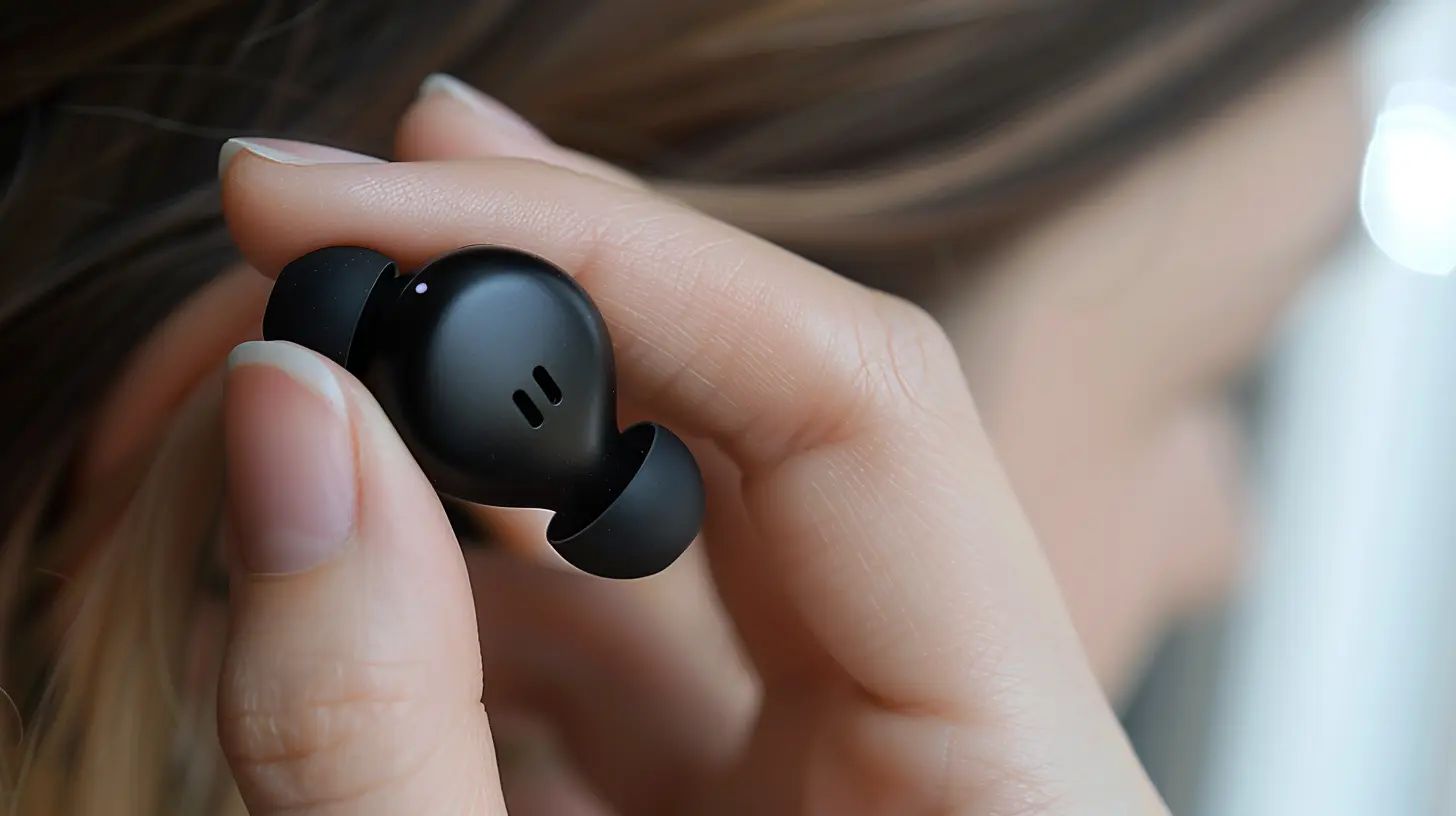
1. The Basics: How Do Wireless Earbuds Work?
Before we address the safety concerns, let’s get a quick rundown of how wireless earbuds actually work.Wireless earbuds, as the name suggests, don’t need a physical connection to your phone, laptop, or any other device. Instead, they use Bluetooth technology to transmit audio signals. Bluetooth operates in the 2.4 GHz frequency range, sending data (in this case, sound) from your device to your earbuds.
This technology has been around for a while and is widely considered safe. But when it comes to gadgets that we’re sticking directly into our ears, naturally, there’s a lot more scrutiny.

2. Myth 1: Wireless Earbuds Can Cause Hearing Loss
The Truth: It's Not the Tech, It's the Volume
One of the most common concerns people have is whether wireless earbuds can cause hearing loss. Spoiler alert: The earbuds themselves aren’t the problem. It's how loud you're cranking up the volume.When you listen to music at extremely high volumes for extended periods, you risk damaging the tiny hair cells in your inner ear. These hair cells are responsible for transmitting sound signals to your brain. Once damaged, they don't grow back, and this can lead to permanent hearing loss.
According to the World Health Organization (WHO), listening to sounds above 85 decibels (dB) for long periods can harm your ears. To put that into perspective, normal conversation is around 60 dB, and a loud concert can reach up to 120 dB.
Wireless earbuds, just like wired ones, can deliver sound at dangerous volumes. The key is moderation. Keep the volume below 60% of the maximum, and take breaks every hour. Your ears will thank you later.
Tip:
If you find yourself cranking up the volume to drown out background noise, consider investing in noise-canceling earbuds. They reduce ambient noise, allowing you to listen at safer volume levels.
3. Myth 2: Wireless Earbuds Emit Harmful Radiation
The Truth: The Radiation Is Minimal and Safe
Another common concern is that wireless earbuds emit radiation that could potentially harm your health. After all, they're using Bluetooth—a form of non-ionizing radiation—to communicate with your device.Here’s the thing: Bluetooth radiation is incredibly weak compared to other common sources of radiation. For example, your phone emits far more radiation than your wireless earbuds do. And even your phone’s radiation is considered safe by regulatory bodies like the Federal Communications Commission (FCC) and the World Health Organization.
Bluetooth operates at low power levels, usually between 0.001 to 0.5 watts. Compare that to your phone, which can emit up to 2 watts when making a call. The non-ionizing radiation used by Bluetooth devices doesn’t have enough energy to damage DNA or cause cancer, unlike ionizing radiation from sources like X-rays.
In fact, studies have repeatedly shown that Bluetooth devices, including wireless earbuds, fall well within the safety limits set by health authorities. So, unless you're planning to wear your earbuds 24/7 (which, let’s be honest, isn’t practical), there's no need to worry about radiation.

4. Myth 3: Wearing Wireless Earbuds for Long Periods Can Cause Infections
The Truth: Keep Them Clean and You’ll Be Fine
Some people worry that wearing wireless earbuds for extended periods can lead to ear infections. While it's true that ear infections are a possibility, they’re not caused by the earbuds themselves but rather by poor hygiene.Our ears naturally produce earwax as a protective barrier against dust and bacteria. When you wear earbuds, you can push this earwax deeper into your ear canal, which can trap dirt and bacteria. Over time, this can lead to infections.
The solution? Clean your earbuds regularly. Wipe them down with a soft, dry cloth after each use, and avoid sharing them with others. If you're prone to ear infections, consider giving your ears a break from earbuds every now and then.
Additionally, some people may experience discomfort or irritation from wearing earbuds for long periods, especially if they don’t fit snugly. If that's the case, try switching to a different size of ear tips or opt for over-ear headphones for extended listening sessions.
5. Myth 4: Wireless Earbuds Cause Tinnitus
The Truth: Tinnitus Is Linked to Loud Noise, Not the Buds
Tinnitus, or the ringing in your ears, is another concern frequently associated with wireless earbuds. However, it’s important to clarify that tinnitus is usually caused by exposure to loud noises over time, rather than the earbuds themselves.Just like hearing loss, tinnitus can develop if you consistently listen to music at high volumes. This condition affects millions of people worldwide and can be quite bothersome, but it's not exclusive to wireless earbuds. Any device that delivers sound too loudly—be it speakers, headphones, or even live concerts—can contribute to tinnitus.
Once again, the solution is to be mindful of your volume levels. If you experience ringing in your ears after using earbuds, that's a sign that you're listening to music too loudly. Lower the volume and give your ears some time to rest.
6. Myth 5: Wireless Earbuds Can Interfere with Brain Function
The Truth: There’s No Scientific Evidence to Support This
One of the more extreme claims floating around is that wireless earbuds can interfere with brain function or even cause neurological damage. This fear stems from the fact that wireless earbuds use Bluetooth, a form of electromagnetic radiation, to transmit sound.However, there’s no credible scientific evidence to back up this claim. As mentioned earlier, Bluetooth radiation is non-ionizing, meaning it doesn't have enough energy to alter the structure of your cells or damage your brain. The American Cancer Society and other health organizations have thoroughly investigated the effects of Bluetooth and concluded that it's safe for everyday use.
To date, no studies have shown a direct link between wireless earbuds and brain damage or cognitive impairment. Unless new research surfaces with compelling evidence, you can continue using your wireless earbuds without worry.
7. How to Use Wireless Earbuds Safely
Now that we’ve debunked the most common myths, let’s talk about how to use wireless earbuds in a way that's safe for your ears.1. Watch the Volume:
As we've mentioned, one of the biggest risks is listening to music too loudly. Keep the volume below 60% of the maximum, and avoid listening for more than 60 minutes at a time.2. Take Breaks:
Give your ears a break every hour or so. Even if you're listening at a safe volume, it’s a good idea to take your earbuds out and let your ears rest.3. Use Noise-Canceling Earbuds:
If you’re in a noisy environment, consider using noise-canceling earbuds. These can help you hear your music clearly without needing to turn up the volume.4. Keep Them Clean:
Clean your earbuds regularly to prevent bacteria buildup and reduce your risk of infections. Avoid sharing your earbuds with others, and if possible, store them in a clean case when not in use.5. Choose the Right Fit:
Make sure your earbuds fit snugly but comfortably. Ill-fitting earbuds can cause discomfort and irritation, especially if worn for long periods.
Conclusion: Are Wireless Earbuds Safe for Your Ears?
So, are wireless earbuds safe for your ears? The short answer is: Yes—as long as you use them responsibly. The myths surrounding wireless earbuds, including hearing loss, radiation, and brain damage, are largely unfounded or exaggerated. However, the main risk comes from listening to music at high volumes for prolonged periods.By keeping the volume at a safe level, taking regular breaks, and practicing good hygiene, you can enjoy your wireless earbuds without putting your ears or health at risk.
###
all images in this post were generated using AI tools
Category:
Wireless EarbudsAuthor:

Adeline Taylor
Discussion
rate this article
2 comments
Rory Wolf
Great insights! It’s crucial to separate fact from fiction for our earbuds' health. Stay smart!
December 16, 2025 at 11:44 AM
Adeline Taylor
Thank you! I'm glad you found the insights helpful. Staying informed is key to ear health!
Damien Wilson
Proper use ensures wireless earbuds are generally safe.
December 16, 2025 at 4:58 AM
Adeline Taylor
Thank you for your comment! Yes, proper use is key to ensuring the safety of wireless earbuds.