Are Expensive Wireless Earbuds Worth It in 2027?
3 October 2026
Walk into any electronics store in 2027 and you will see wireless earbuds ranging from $25 to well over $500. They all look roughly the same in the display case. They all promise "premium sound" and "active noise cancellation." So what exactly separates a $300 pair from a $50 pair, and does that gap justify the price for most people?
The honest answer is: it depends on what you actually need. Expensive earbuds are worth it for some buyers and a waste of money for others. This article breaks down where the money goes, what improvements you genuinely get, what you do not get, and how to decide for yourself without falling for marketing hype.

What You Are Actually Paying For
Premium earbuds are not expensive because the drivers cost more. Drivers are cheap. The real cost sits in a handful of areas that are genuinely difficult and expensive to engineer well.Acoustic tuning and driver design
Cheap earbuds often use a single generic driver with a tuning that boosts bass to sound "exciting" in a noisy store. That trick works for thirty seconds and becomes fatiguing after an hour. Expensive models typically use custom-tuned drivers, sometimes multi-driver setups with separate units for low, mid, and high frequencies. The result is not just "better sound" but a more balanced frequency response that holds up across genres and long listening sessions.Active noise cancellation (ANC)
ANC is one of the biggest cost drivers. Budget ANC reduces low-frequency rumble from buses and airplanes but often introduces a faint hiss or a pressure sensation. Premium ANC uses more microphones, faster processing, and better algorithms to cancel a wider band of noise while keeping the experience comfortable. If you fly often or work in a loud office, this difference is immediately noticeable.Connectivity and chipset
The chip inside the earbuds determines latency, connection stability, power efficiency, and how many devices you can pair simultaneously. Premium chipsets from Qualcomm, Apple, and a few others handle multipoint Bluetooth, low-latency gaming modes, and seamless switching between phone, laptop, and tablet. Budget chipsets often struggle with two devices at once.Materials, fit, and durability
Fit is arguably the most underrated factor in perceived sound quality. A loose seal kills bass and lets noise in, no matter how good the driver is. Expensive earbuds invest in ergonomic shapes, multiple ear tip sizes, and materials like silicone or foam that stay comfortable for hours. They also tend to carry higher IP ratings for sweat and water resistance.Software, updates, and ecosystem features
Firmware updates can meaningfully improve ANC, fix bugs, and add features months after purchase. Spatial audio, hearing tests, personalized EQ, and find-my-device tracking are largely software features that cheap brands rarely maintain.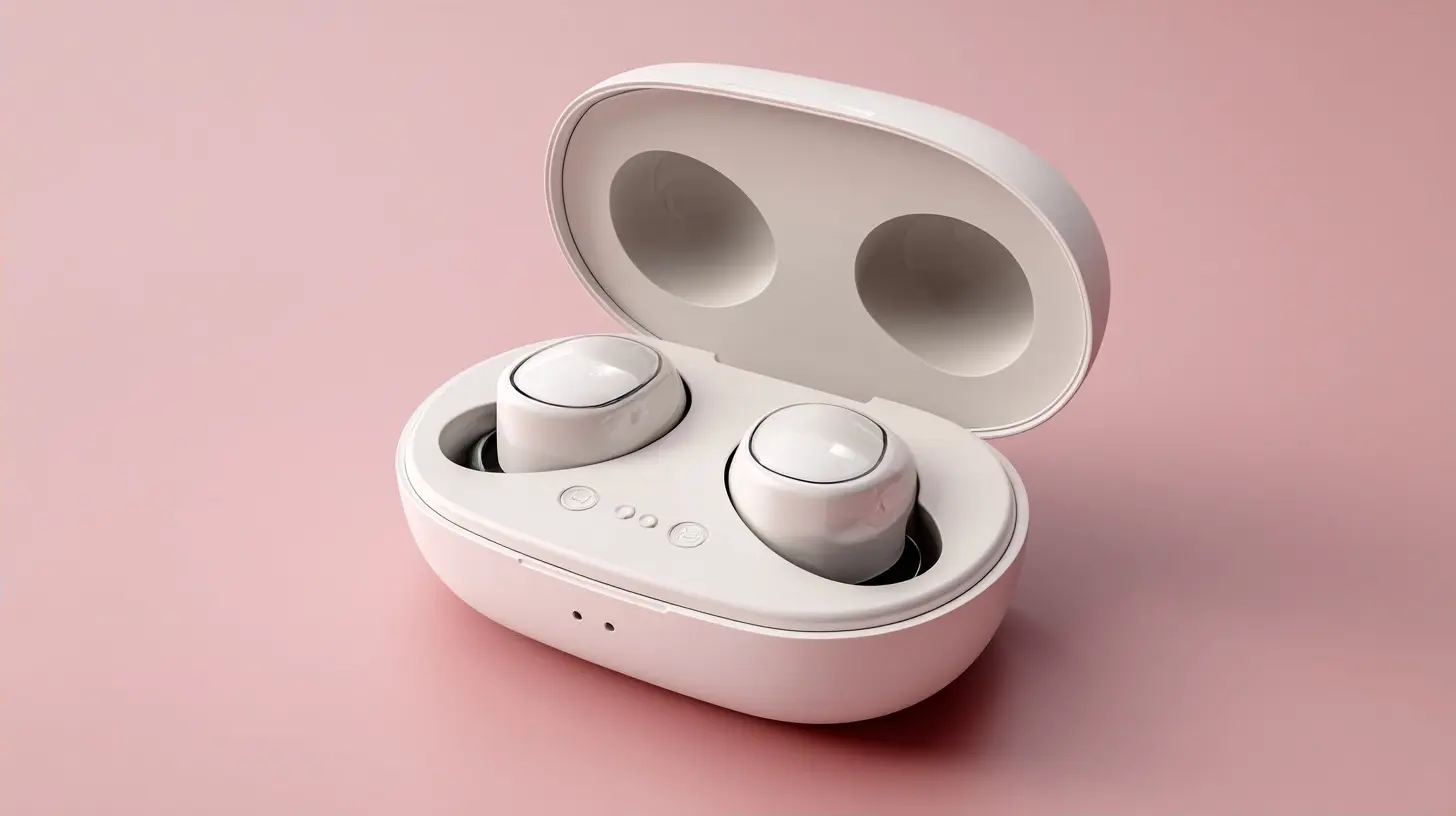
Where Expensive Earbuds Genuinely Win
Let's get concrete. Here is where the price gap shows up in daily use.Noise cancellation in real environments
If you commute on trains, fly regularly, or work in an open office, premium ANC is transformative. It is the difference between hearing a dull roar and hearing near silence. This alone justifies the price for many frequent travelers.Call quality in windy or crowded places
Mid-range and budget earbuds often sound fine on a quiet call and terrible on a windy street. Premium models use beamforming microphone arrays and wind-noise reduction algorithms. If you take a lot of calls outdoors or in cafes, this matters more than music quality.Fit and comfort over long sessions
A pair that fits perfectly for eight hours is worth more than a pair that sounds 5 percent better but hurts after ninety minutes. Premium brands spend heavily on this, and it shows.Longevity and support
A $300 pair that lasts four years costs less per year than a $60 pair that dies after twelve months. Add firmware updates and battery replacement programs, and the math can favor the expensive option.Ecosystem integration
If you own an iPhone, AirPods Pro integrate in ways third-party buds cannot. The same is true for Samsung Galaxy Buds with Galaxy phones and Pixel Buds with Pixel devices. This integration is not a gimmick. It reduces friction every single day.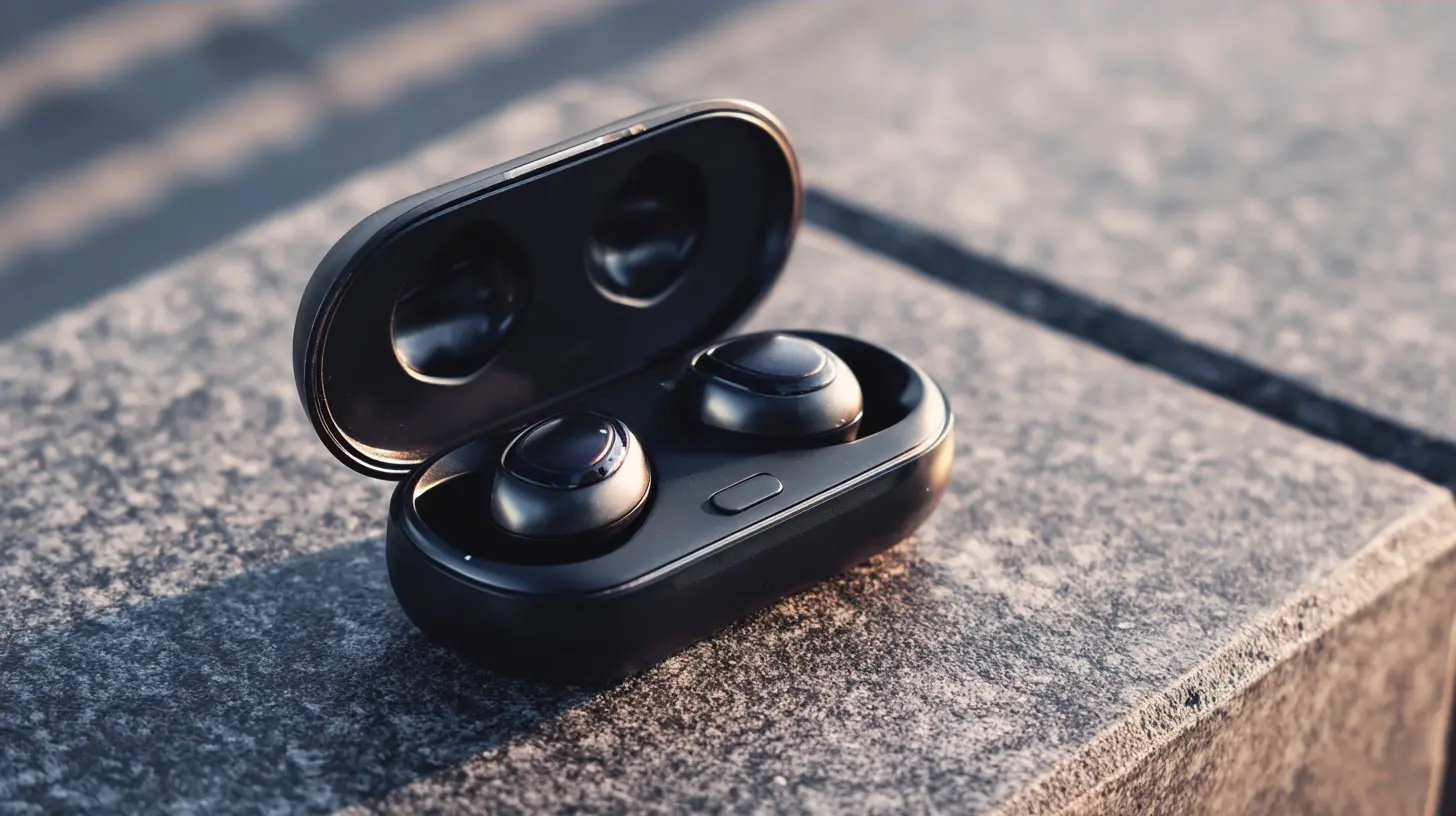
Where Expensive Earbuds Do Not Deliver
Here is the part marketing departments would rather you skip.Diminishing returns hit fast
The jump from $30 to $120 is enormous. The jump from $150 to $300 is noticeable but modest. The jump from $300 to $500 is often marginal and sometimes nonexistent. Above roughly $200, you are frequently paying for brand prestige, exotic materials, or features you will never use.Sound quality is subjective
A $400 pair tuned for neutral, analytical sound may bore someone who loves warm, bass-heavy music. A $90 pair with a fun tuning may genuinely please that listener more. Price does not guarantee you will prefer the sound.Codec support is often wasted
Many premium earbuds advertise support for high-resolution codecs like LDAC or aptX Lossless. But if your phone does not support those codecs, or if you stream from Spotify at standard quality, you will never hear the difference. Check your source chain before paying for codec bragging rights.Battery life does not scale with price
Some $80 earbuds last ten hours per charge. Some $300 earbuds last five. Premium features like advanced ANC and spatial audio drain battery faster. If long battery life is your priority, expensive is not automatically better.Features you will never touch
Spatial audio with head tracking, customizable touch controls, voice assistants, and companion app EQ are great on paper. In practice, most users set them once and forget them. Paying extra for a feature list you will not use is the most common mistake in this category.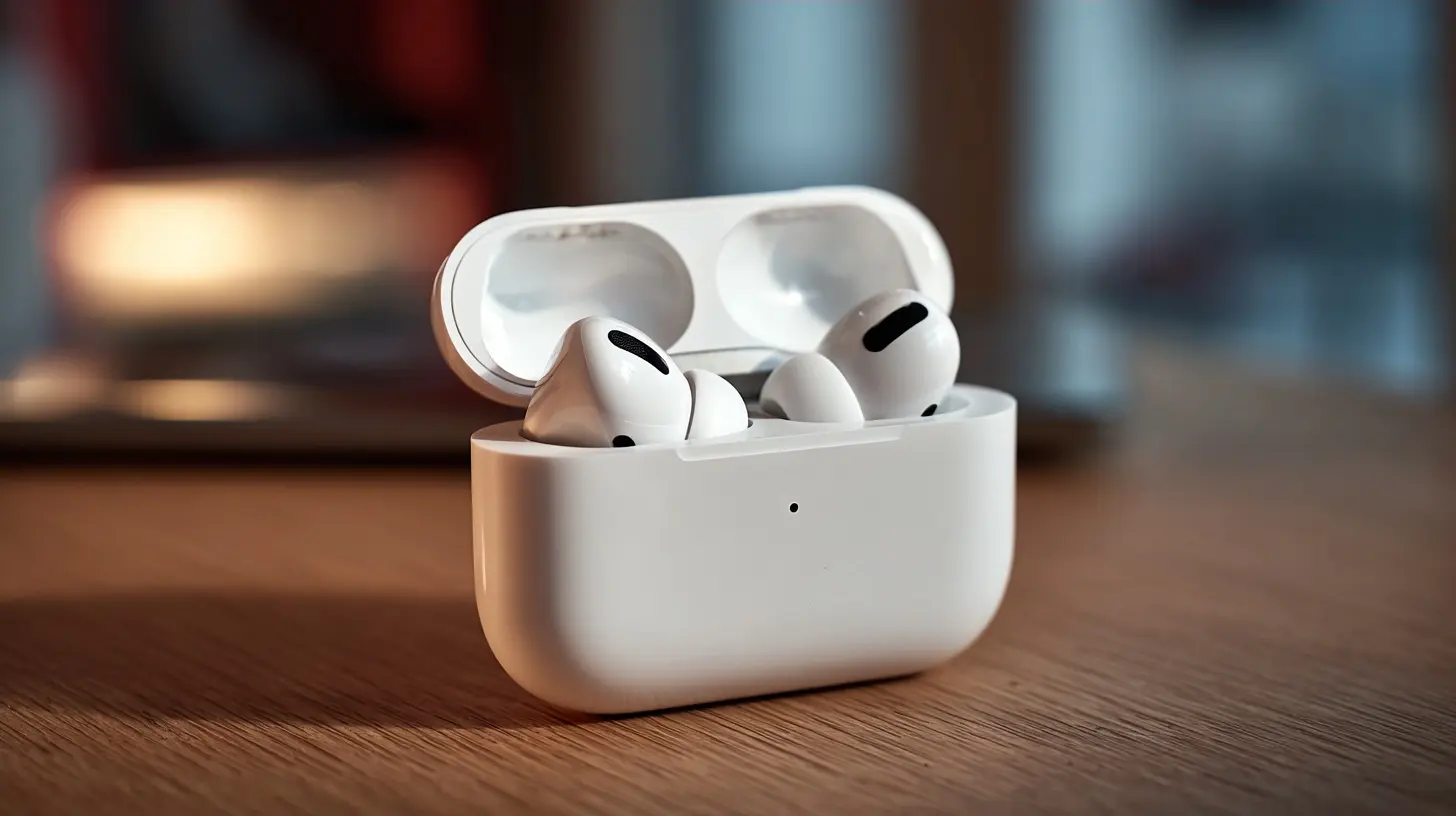
The 2027 Context: What Has Changed
The market has shifted in ways that affect this decision.First, mid-range earbuds have improved dramatically. Features that were exclusive to $250 models three years ago, like decent ANC and multipoint Bluetooth, now appear in $80 to $120 products. The floor has risen.
Second, premium pricing has crept upward. Flagship models that cost $249 in 2023 now often launch at $299 or more. The gap between mid-range and premium has widened even as the functional gap has narrowed.
Third, hearing health features have become a real differentiator. Some premium earbuds now function as over-the-counter hearing aids for mild hearing loss, and several offer clinically informed hearing tests that generate personalized EQ profiles. This is genuinely useful for people with mild hearing loss, and it is hard to replicate on budget hardware.
Fourth, repairability and battery longevity are getting more attention from regulators in some regions, which may slowly change how long premium earbuds remain useful.
A Practical Framework for Deciding
Ask yourself these questions honestly.How often do you use them? If you wear earbuds two hours a day, every day, premium is easier to justify. If you use them twice a week for walks, a $100 pair is plenty.
Where do you use them? Noisy commutes, flights, and open offices push value toward premium ANC. Quiet homes and libraries do not.
What is your source? A flagship phone with a good codec and a lossless streaming subscription extracts more from premium hardware. A mid-range phone with standard Bluetooth does not.
How important is fit? If you have struggled with earbuds falling out or hurting, paying for a brand known for ergonomics is money well spent.
Do you value ecosystem features? If you are deep in one ecosystem, first-party earbuds often deliver more practical value than a slightly better-sounding third-party pair.
What is your budget reality? Spending $300 on earbuds when that money needs to go elsewhere is not a smart purchase, no matter how good the product is.
Common Mistakes and Misconceptions
Mistake: Buying based on reviews alone. Sound is personal. Fit is personal. Buy from a retailer with a return window and test them yourself.Mistake: Assuming higher price equals better ANC. Some mid-range models outperform older premium models in noise cancellation. Compare specific generations, not price tiers.
Mistake: Ignoring ear tips. A $20 set of foam tips can transform a mid-range pair. Try this before upgrading.
Misconception: "Lossless" means you will hear a difference. In most real-world listening environments, the difference between good lossy and lossless audio is subtle or inaudible. Do not pay a premium for a label.
Misconception: Expensive earbuds are more durable. Not necessarily. Batteries degrade in all earbuds. Some cheap models are surprisingly tough, and some premium models have known failure points.
Misconception: You need the latest model. Last year's flagship, discounted, is often a better value than this year's mid-range model at full price.
Best Practices Before You Buy
1. Set a hard budget and stick to it.2. List your top three use cases (commute, calls, workouts, gaming, critical listening).
3. Prioritize the one feature that matters most, and accept compromises elsewhere.
4. Check codec support against your phone.
5. Buy from a seller with a generous return policy.
6. Test fit immediately and try all included ear tip sizes.
7. Update firmware on day one.
8. Consider last-generation flagships before current mid-range models.
A Simple Verdict
Are expensive wireless earbuds worth it in 2027? For frequent travelers, remote workers in noisy environments, call-heavy professionals, and people with mild hearing loss, yes. The improvements in ANC, call clarity, fit, and hearing features are real and daily.For casual listeners, occasional gym users, and anyone whose phone or streaming service cannot take advantage of premium features, no. A well-chosen $80 to $150 pair will deliver 85 to 90 percent of the experience for a third of the price.
The smartest buyers in 2027 are not chasing the highest price or the lowest. They are matching the product to their actual life. That is the only calculation that ever really matters.
all images in this post were generated using AI tools
Category:
Wireless EarbudsAuthor:

Adeline Taylor